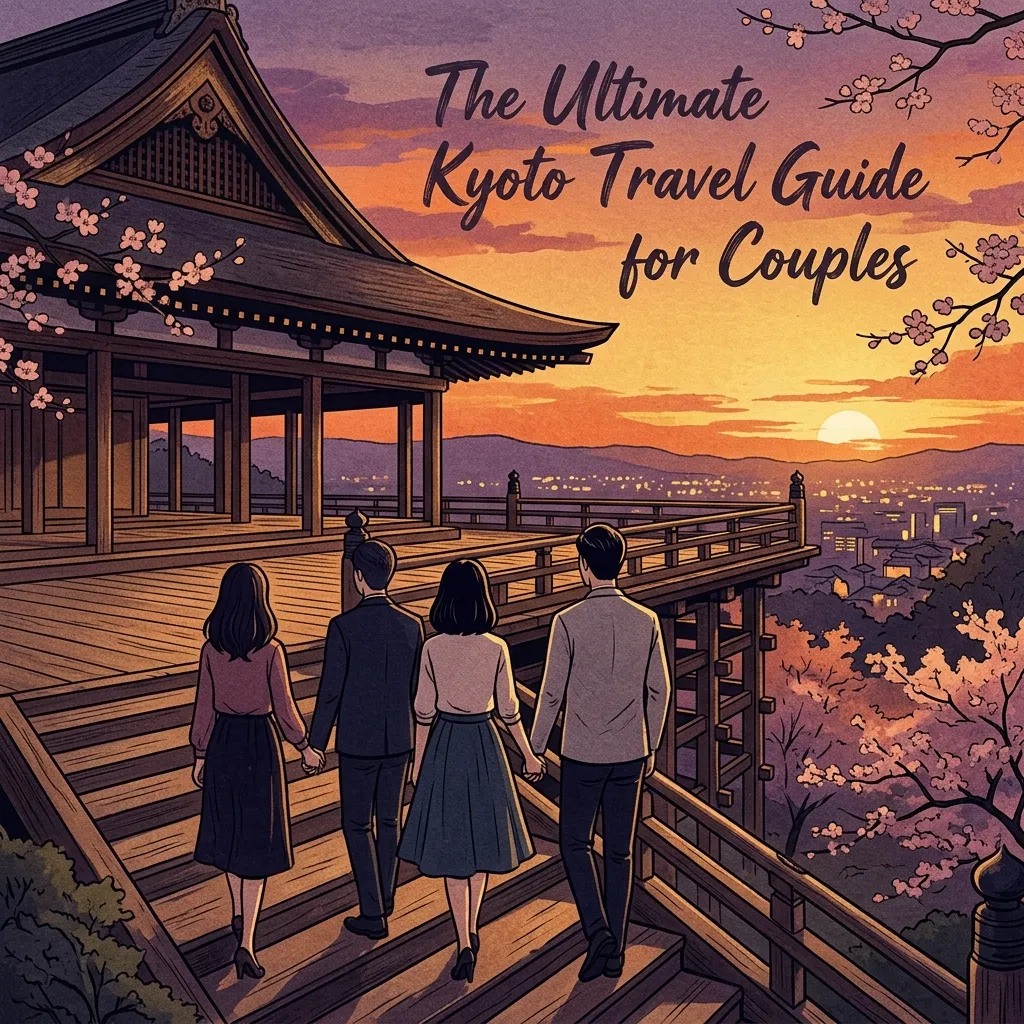
Kyoto is one of the world’s most romantic cities, offering couples a rare mix of ancient temples, bamboo forests, traditional tea ceremonies, and world-class cuisine. This Kyoto Travel Guide for Couples covers the best romantic itineraries, unique experiences, dining highlights, day trips, and practical tips to help you plan an unforgettable trip together.
Few cities in the world stop you in your tracks the way Kyoto does. Moss-covered stone paths wind between centuries-old temples. Cherry blossoms drift across lantern-lit streets. The scent of green tea drifts out of wooden shop fronts along narrow Gion alleyways. For couples, it’s hard to imagine a more spellbinding backdrop.
Japan’s ancient capital held the title for over a thousand years—and the weight of that history is felt everywhere. Unlike Tokyo’s relentless energy, Kyoto moves at a slower, more deliberate pace. That rhythm suits couples well. There’s time to linger over a bowl of matcha, to wander without a plan, and to let the city’s quiet beauty draw you closer together.
This guide is built specifically for couples who want more than a checklist of tourist stops. Whether you’re planning a honeymoon, a milestone anniversary, or simply a meaningful escape, you’ll find everything you need here—from day-by-day romantic itineraries to hidden culinary gems, unique cultural experiences, and hard-won practical advice. By the time you finish reading, you’ll have a clear, confident plan for one of the most memorable trips of your lives.
Planning Your Romantic Kyoto Escape
What is the best time of year to visit Kyoto as a couple?
Timing matters enormously in Kyoto. Spring (late March to early May) is the most famous season, when cherry blossoms transform the city into something out of a painting. The Philosopher’s Path and Maruyama Park are especially stunning during this period—though you’ll share the view with crowds.
Autumn (mid-October to late November) rivals spring for beauty, with fiery maple foliage blanketing temple gardens in shades of amber and crimson. Crowds are thinner, the air is cool and crisp, and the light is extraordinary.
For couples who prefer calm over spectacle, late June to early July (just before peak summer humidity) and February offer quieter, more intimate visits—with accommodation prices to match.
Visa and Travel Essentials
Citizens of most Western countries, including the US, UK, Canada, and Australia, can enter Japan visa-free for up to 90 days. You’ll need a valid passport, a return ticket, and proof of accommodation. Japan requires visitors to register via the Japan Digital Agency’s Visit Japan Web platform before arrival—set this up at least a week before departure.
Carry some cash. While card acceptance has improved, many of Kyoto’s most charming ryokans, izakayas, and smaller temples still operate on a cash-only basis.
Where should couples stay in Kyoto?
For romance, Higashiyama and Gion are the top neighborhoods. Both offer proximity to temples, traditional architecture, and intimate dining. Staying in a ryokan—a traditional Japanese inn—is one of the most memorable experiences the city offers. Expect tatami floors, futon beds, yukata robes, and multi-course kaiseki dinners served in your room.
Notable romantic stays include Tawaraya (the oldest ryokan in Japan, a favorite of celebrities and dignitaries), Nishiyama Ryokan, and the boutique Sowaka Hotel in Higashiyama. Budget travelers should look at guesthouses in the Fushimi or Arashiyama areas.
How much should couples budget for a trip to Kyoto?
Kyoto can be done on almost any budget. A mid-range couple can expect to spend around $200–$350 USD per day, covering accommodation, meals, transport, and entry fees. A luxury ryokan experience can push that to $600+ per night, while budget guesthouses and convenience store meals can bring costs down to $80–$100 per day.
Romantic Itineraries and Must-See Sights
Day 1: Arashiyama Bamboo Grove and Tenryu-ji Temple
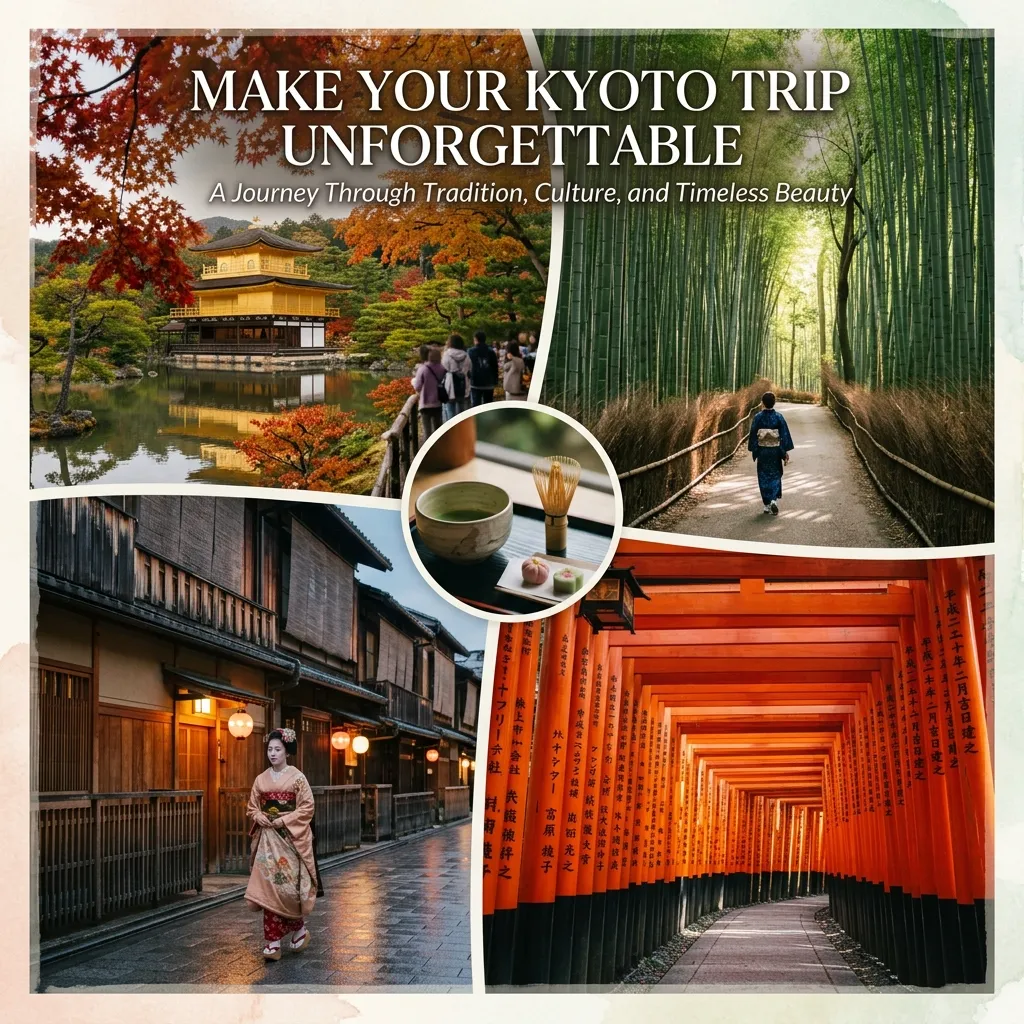
Start your Kyoto trip in Arashiyama, on the city’s western edge. Arrive at the Bamboo Grove early—before 8:00 AM if possible—to catch the light filtering through the towering green stalks in near-silence. It’s surreal, and deeply calming.
From there, walk to Tenryu-ji Temple, a UNESCO World Heritage Site whose garden is widely considered one of Japan’s finest. The borrowed scenery technique (shakkei), which frames the Arashiyama mountains as a natural backdrop, makes the garden feel endless.
End the afternoon with a riverside stroll along the Oi River, and dinner at one of the area’s wooden machiya restaurants.
Day 2: Fushimi Inari-taisha and Gion Evening Stroll
Fushimi Inari-taisha—famous for its thousands of vermilion torii gates winding up the mountain—is best visited early morning, when the trail is quiet and the mist still clings to the cedar trees. The full hike to the summit takes around two hours, but even the lower sections are breathtaking.
In the evening, head to Gion. Japan’s most famous geisha district comes alive after dark, with wooden machiya townhouses glowing amber, cobblestoned Hanamikoji Street bustling quietly, and the occasional maiko (apprentice geisha) moving gracefully through the lanes. Walk slowly. Bring a camera. It’s one of those evenings you’ll talk about for years.
Day 3: Kinkaku-ji and Ryoan-ji Temple
Kinkaku-ji (the Golden Pavilion) is among the most photographed buildings in the world, and for good reason—its gold-leaf exterior reflected in the surrounding pond is genuinely stunning. Arrive at opening time (9:00 AM) to beat the crowds.
A short walk away, Ryoan-ji Temple houses Japan’s most celebrated rock garden. Fifteen stones are arranged so that no matter where you stand, one stone is always hidden. No one knows exactly what it means. Sitting with that mystery, side by side, is quietly romantic in a way that’s hard to explain.
Day 4: Philosopher’s Path and Nishiki Market
The Philosopher’s Path is a stone walkway alongside a cherry-tree-lined canal, stretching between Ginkaku-ji (Silver Pavilion) and Nanzen-ji Temple. In spring, it’s blanketed in blossoms. Year-round, it’s one of Kyoto’s most peaceful walks—dotted with cafes, independent bookshops, and small galleries.
Finish your afternoon at Nishiki Market, a narrow five-block covered arcade known as “Kyoto’s Kitchen.” Sample pickled vegetables, fresh tofu, skewered octopus balls, and wagashi (traditional sweets) as you browse the 100+ stalls. It’s chaotic, delicious, and one of the most sensory-rich experiences the city has to offer.
Unique Experiences for Couples in Kyoto
Traditional Tea Ceremonies
A formal tea ceremony (chado) is one of the most intimate cultural experiences available in Kyoto. You’ll be guided through the precise preparation and serving of matcha in a tatami room, often overlooking a raked gravel garden. The Urasenke Foundation and En tea house in Higashiyama both offer English-language sessions. Book in advance.
Kimono Rental and Photography Sessions
Renting a kimono for the day and photographing each other against Kyoto’s historic backdrops is a highlight for most couples. Rental shops like Yumeyakata and Okamoto Kimono provide full dressing services, hair styling, and a wide range of patterns. Higashiyama’s stone-paved streets and temple gates make for the most striking photos.
Cooking Classes: Mastering Japanese Cuisine
Learning to cook Japanese food together is a deeply satisfying shared experience. Kyoto’s cooking schools—including Haru Cooking Class and The Cooking Sun—teach couples to make sushi, ramen, gyoza, and traditional kyoto-style dishes from scratch. Most classes run three to four hours and include a sit-down meal at the end.
Romantic Boat Rides on the Hozugawa River
The Hozugawa River Boat Ride takes couples on a 16-kilometer journey through a scenic gorge, from Kameoka to Arashiyama. The wooden boats drift past rapids, forested cliffs, and ancient riverside villages over about two hours. It’s peaceful, picturesque, and entirely off the tourist radar for most visitors.
Hot Spring Onsen Experiences
Soaking in a traditional onsen (hot spring bath) is one of Japan’s most treasured rituals. Many ryokans feature private outdoor baths (rotenburo) where couples can soak together under the night sky. Kurama Onsen, about 30 minutes north of central Kyoto, is a popular day-trip option with mountain views.
Dining and Culinary Delights for Two
Kaiseki: Multi-Course Fine Dining
Kaiseki is Kyoto’s signature culinary art form—a multi-course meal where each dish is a precisely crafted expression of the season. Courses are small, visually exquisite, and built around local, often foraged ingredients. Kyoto boasts more Michelin-starred kaiseki restaurants per capita than almost anywhere else in Japan. Mizai, Kichisen, and Nakamura are among the most celebrated.
Izakaya Hopping
For a livelier evening, explore Kyoto’s izakayas—informal Japanese taverns serving small plates, sake, and cold beer. The Pontocho alley, running parallel to the Kamo River, is lined with intimate izakayas offering riverside seating (kawayuka) in summer. Order sake by the tokkuri (flask), share skewers of yakitori, and let the evening unfold.
Street Food in Nishiki Market
Nishiki Market rewards slow, curious eating. Standout bites include yudofu (silken tofu in dashi broth), fresh uni (sea urchin), and nama yatsuhashi—Kyoto’s iconic soft cinnamon sweet.
Romantic Cafes and Dessert Spots
For coffee and intimacy, seek out Kyoto’s hidden machiya cafes—traditional townhouses converted into serene coffee spaces. Vermillion Café near Fushimi Inari and % Arabica in Higashiyama are both exceptional. For dessert, Kyoto’s matcha soft-serve ice cream is a must—available at Nakamura Tokichi and throughout Nishiki Market.
Beyond Kyoto: Day Trips for Couples
Nara: Deer Park and Todai-ji Temple
Just 45 minutes from Kyoto by express train, Nara is home to over 1,000 freely roaming deer that are considered sacred messengers in Shinto tradition. Hand-feed them shika senbei (deer crackers), then visit Todai-ji Temple, which houses Japan’s largest bronze Buddha. The forested paths between Nara’s shrines are quiet and romantic.
Uji: Green Tea Wonderland
Uji, 20 minutes south of Kyoto, is Japan’s most famous green tea region. The main street is lined with tea houses offering matcha in every conceivable form—soft serve, soba, parfait, and traditional bowls. Visit Byodoin Temple (featured on the 10-yen coin) while you’re there.
Amanohashidate: Scenic Views
For a more ambitious day trip, Amanohashidate (the “Bridge to Heaven”) is a 3.6-kilometer sandbar considered one of Japan’s three most scenic views. The classic way to appreciate it is by bending over and looking at it upside down through your legs from the hilltop viewpoint. Strange? Yes. Memorable? Absolutely.
Practical Tips for a Smooth Trip
Transportation: Navigating Kyoto
Kyoto’s bus network covers most major attractions, and a one-day bus pass (¥700) offers unlimited rides. For flexibility, rent bicycles—the city is largely flat and very cycle-friendly. The Kintetsu and Hankyu rail lines connect central Kyoto to Fushimi, Arashiyama, and Nara efficiently.
Language and Basic Phrases
A handful of Japanese phrases go a long way. Learn: Sumimasen (excuse me), Arigatou gozaimasu (thank you very much), Eigo ga hanasemasu ka? (do you speak English?), and Ikura desu ka? (how much is this?). Google Translate’s camera mode works remarkably well on menus and signs.
Cultural Etiquette for Couples
Public displays of affection are generally uncommon in Japan, though Kyoto’s younger, more tourist-accustomed areas are increasingly relaxed. Remove shoes before entering temples, ryokans, and many restaurants. When visiting onsen, tattoos may restrict access at some facilities—check policies in advance.
Safety and Health
Kyoto is extremely safe by global standards. Japan’s crime rates rank among the lowest in the world. Tap water is clean and drinkable. Travel insurance that covers medical emergencies is strongly recommended, as healthcare costs for foreigners can be high.
Common Travel Mistakes to Avoid
Over-packing: Essential Travel Packing Accessories
One of the most common travel mistakes to avoid in Japan is over-packing. You’ll be removing shoes frequently, navigating train station stairs, and potentially carrying luggage to ryokans with no elevators. Pack light. Prioritize layering over bulk.
Key travel packing accessories for Kyoto: a compact umbrella (rain is unpredictable), comfortable walking shoes with easy slip-on access, a reusable shopping bag (plastic bags are often charged), and a portable Wi-Fi device or SIM card.
Not Booking in Advance
Kyoto’s most popular ryokans, cooking classes, and tea ceremonies book out weeks—sometimes months—in advance, especially during cherry blossom and autumn foliage seasons. Plan at least three months ahead for spring travel.
Ignoring Local Customs
Skipping the customs research is a mistake that can lead to awkward moments. Don’t tip in Japan—it’s considered rude. Don’t eat or drink while walking (except at festivals). Speak quietly on public transport. And always queue, always.
Kyoto vs. Paris: Comparing Two Iconic Romantic Destinations
For couples weighing their options, the Paris Travel Guide for Couples and the Kyoto Travel Guide for Couples represent two very different kinds of romance.
Paris is bold, expressive, and extroverted—wine on the Seine, gallery-hopping, grand boulevards. Kyoto is quieter and more contemplative—temple gardens at dawn, the stillness of a tea ceremony, a bamboo forest at first light. The romance in Paris feels outward; in Kyoto, it turns inward.
Both cities reward slow travel. Both have world-class food scenes. The key difference: Paris invites you to be seen; Kyoto invites you to be present. If your relationship thrives on shared discovery and cultural depth over glamour and nightlife, Kyoto is the stronger choice.
Similarly, if you’re comparing Kyoto against an Amalfi Coast Travel Guide experience, the contrast is equally distinct—the Amalfi Coast delivers sun-drenched coastal drama and Mediterranean extravagance, while Kyoto offers something more meditative and spiritually grounding. Both are extraordinary. Your choice depends on what kind of intimacy you’re after.
Make Your Kyoto Trip Unforgettable
Kyoto rewards couples who take the time to plan thoughtfully and experience slowly. The city’s most romantic moments aren’t always the landmark ones—they’re the quiet detours, the unexpected encounters, the bowl of ramen shared at a tiny counter-seat restaurant when it’s raining outside.
Go during cherry blossom season or autumn foliage if the crowds don’t deter you. Stay in a ryokan for at least one or two nights. Book the kaiseki dinner. Walk the Philosopher’s Path without checking your phone. These aren’t just travel tips—they’re the raw material of memories that last decades.
With this Kyoto Travel Guide for Couples as your foundation, the only thing left to do is book the tickets.
Frequently Asked Questions About Kyoto Travel Guide for Couples
1. What is the most romantic experience in Kyoto for couples?
The top highlight in any Kyoto Travel Guide for Couples is staying in a traditional ryokan with a private kaiseki dinner. This Kyoto Travel Guide for Couples experience includes tatami rooms, yukata robes, and often an onsen bath, creating a deeply romantic atmosphere.
2. How many days are ideal for a romantic Kyoto trip?
A Kyoto Travel Guide for Couples recommends 4–5 days. This allows couples to enjoy Arashiyama, Gion, Fushimi Inari, and Philosopher’s Path, plus cultural activities and day trips.
3. What are budget-friendly romantic activities in Kyoto?
A Kyoto Travel Guide for Couples suggests free or low-cost experiences like walking Philosopher’s Path, exploring Fushimi Inari at sunrise, and evening strolls in Gion. Many temples are under ¥600 entry.
4. Is Kyoto good for a honeymoon?
Yes. A Kyoto Travel Guide for Couples shows Kyoto is one of Asia’s best honeymoon spots due to its culture, food, and romantic ryokan stays, especially during cherry blossom season.
5. What are the best areas to stay in Kyoto for couples?
According to a Kyoto Travel Guide for Couples, Gion and Higashiyama are most romantic, offering traditional streets, temples, and intimate dining options.
6. What romantic food experiences should couples try?
A Kyoto Travel Guide for Couples recommends kaiseki dinners, matcha desserts, izakaya hopping, and cooking classes for a shared culinary experience.
7. Is Kyoto safe for couples?
Yes. A Kyoto Travel Guide for Couples confirms Kyoto is very safe, with low crime, clean streets, and reliable transport, making it ideal for couples.
8. What are the most romantic spots at night?
A Kyoto Travel Guide for Couples highlights Gion, Kamo River, Pontocho Alley, and Fushimi Inari for peaceful and romantic evening walks.