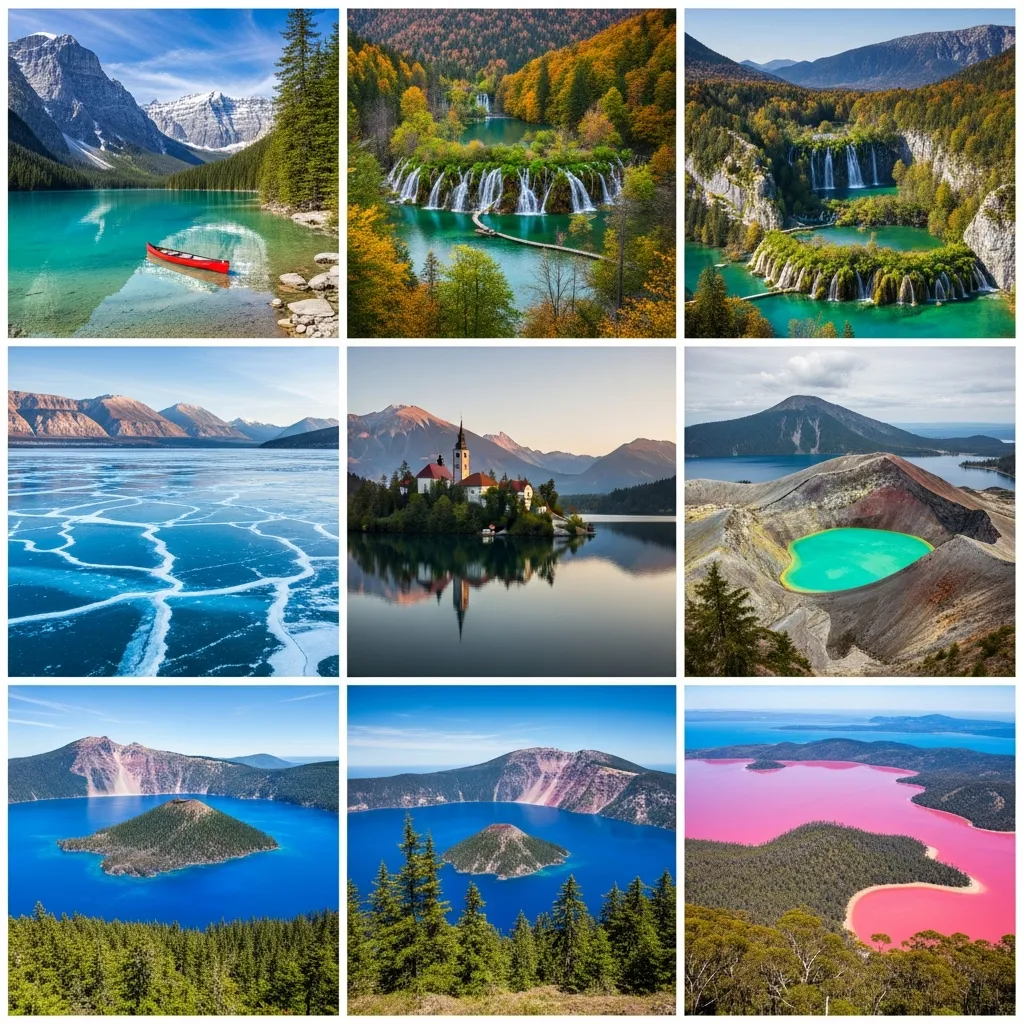
From the turquoise glacier waters of Canada to the historic shores of Italy, the most beautiful lakes in the world showcase the incredible diversity of our planet. We explored the deep caldera of Guatemala, the terraced waterfalls of Croatia, and the high-altitude wonders of the Himalayas. Each of these lakes offers unique ecosystems, stunning visuals, and opportunities for deep personal connection with nature.
Water has a unique way of capturing our attention and calming our minds. Among all the natural wonders our planet offers, bodies of fresh water hold a special kind of magic. They reflect the sky, mirror towering mountains, and provide vital habitats for countless species. Finding the most beautiful lakes in the world is a goal for many nature lovers and avid travelers.
These stunning destinations offer far more than just a pretty view. They provide a space for quiet reflection, thrilling outdoor activities, and a chance to connect with local cultures that have relied on these waters for centuries. Planning a trip to see the most beautiful lakes in the world can completely change your perspective on travel and nature.
In this comprehensive guide, we will explore several breathtaking destinations across different continents. You will learn what makes each of these locations unique, how to experience them responsibly, and why they deserve a spot on your travel itinerary.
How we picked the most beautiful lakes in the world
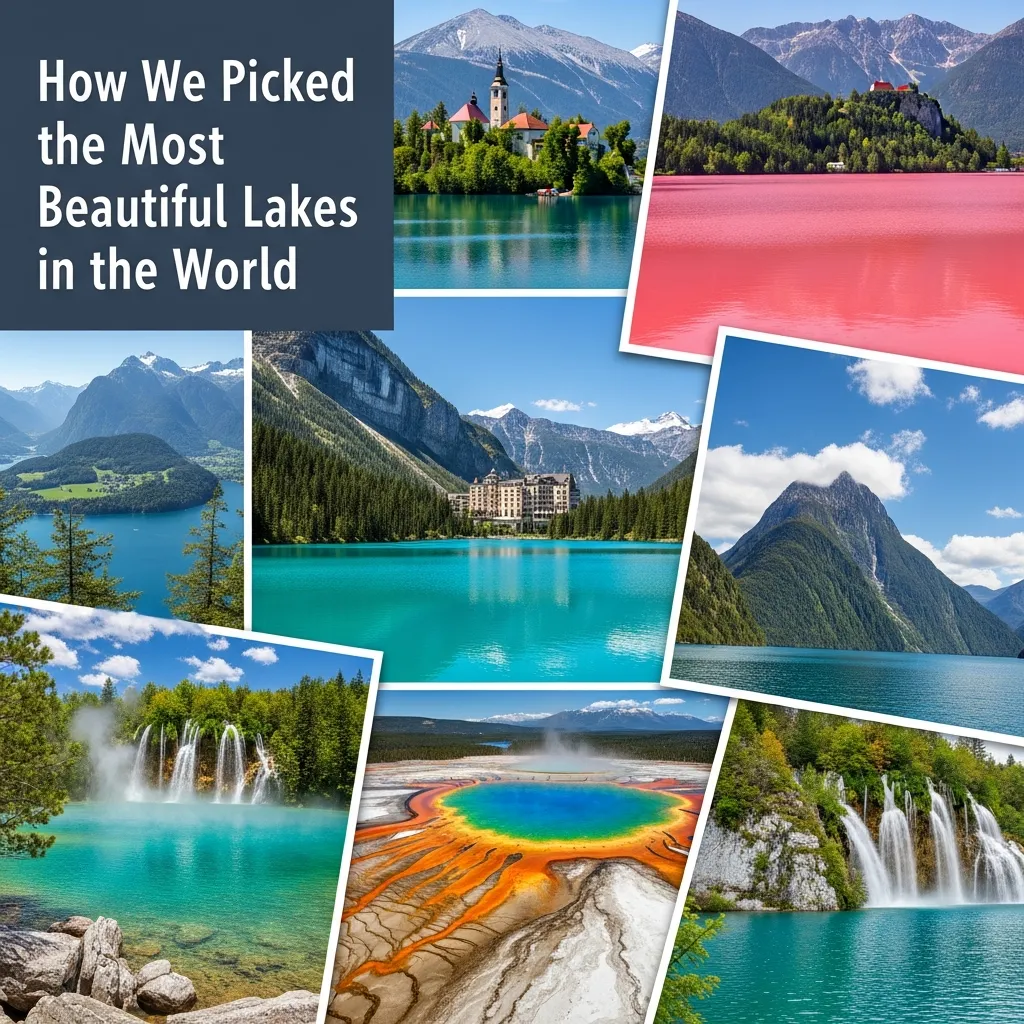
Selecting the most beautiful lakes in the world is no easy task. Earth is covered in millions of stunning bodies of water, from tiny alpine tarns to massive inland seas. To narrow down the list, we focused on several key factors.
First, we looked at visual appeal. This includes the color of the water, the surrounding landscape, and the overall aesthetic harmony of the location. Second, we considered ecological uniqueness. Many of the most beautiful lakes in the world host rare wildlife or boast incredible geological formations.
Finally, we factored in the potential for transformative travel experiences. A truly beautiful destination should leave a lasting impact on the visitor, offering opportunities for personal growth, cultural exchange, and deep connections with nature.
The Americas
The continents of North and South America feature diverse landscapes, resulting in some of the most beautiful lakes in the world.
Lake Louise, Canada: A turquoise dream
Nestled in the heart of Banff National Park, Lake Louise is famous for its vibrant turquoise water. The stunning color comes from rock flour carried into the lake by meltwater from surrounding glaciers. Towering mountain peaks and the impressive Victoria Glacier provide a dramatic backdrop. Visitors can hike the surrounding trails in the summer or ice skate on the frozen surface during the winter months.
Lake Tahoe, USA: Sierra Nevada’s jewel
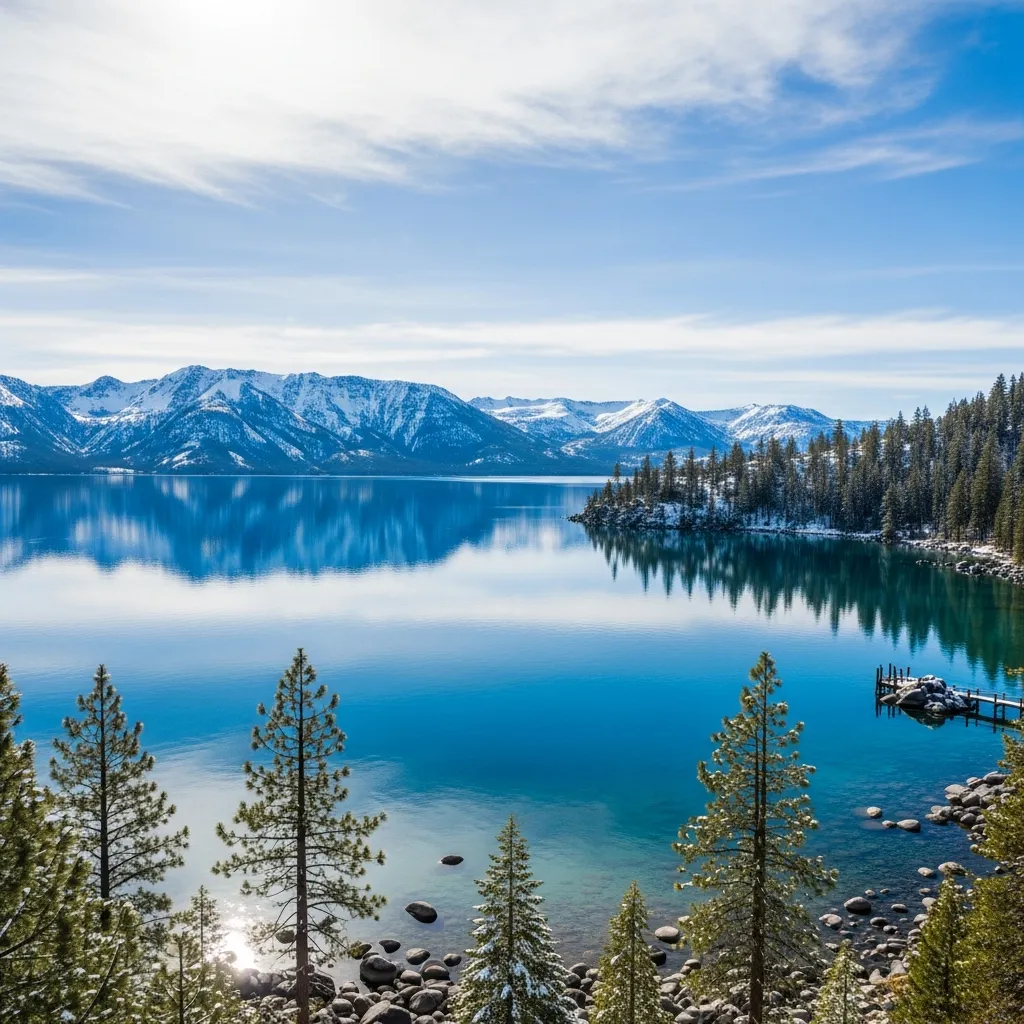
Straddling the border of California and Nevada, Lake Tahoe is a massive freshwater lake known for its incredible clarity. Surrounded by the pine-forested mountains of the Sierra Nevada, it is a year-round playground for outdoor enthusiasts. During the warmer months, the crystal-clear water is perfect for kayaking and paddleboarding. When winter arrives, the surrounding slopes become a haven for skiers and snowboarders.
Lake Atitlán, Guatemala: A spiritual caldera
Located in the Guatemalan Highlands, Lake Atitlán fills a massive volcanic caldera. Three towering volcanoes border its southern shores, creating a striking skyline. The lake is surrounded by traditional Mayan villages, each offering a distinct cultural experience. Many travelers find Lake Atitlán to be a place of profound peace, making it a popular spot for yoga retreats and transformative travel experiences.
Europe
Europe’s varied geography has created several of the most beautiful lakes in the world, many of which are steeped in rich history and folklore.
Lake Bled, Slovenia: Island fairy tale
Lake Bled looks like a scene lifted directly from a storybook. This glacial lake in the Julian Alps features a small, teardrop-shaped island in the center, crowned by a charming church. A medieval castle clings to a steep cliff overlooking the water. Visitors often rent traditional wooden boats, known as pletnas, to row out to the island. Ringing the church bell is said to bring good luck.
Lake Como, Italy: Luxury and serenity
Situated at the foothills of the Alps in Northern Italy, Lake Como has been a popular retreat for aristocrats and wealthy travelers since Roman times. The lake is shaped like an inverted ‘Y’ and is lined with opulent villas, lush gardens, and picturesque resort towns. The dramatic mountain scenery and elegant architecture make Lake Como one of the most beautiful lakes in the world for those seeking a blend of nature and luxury.
Plitvice Lakes, Croatia: Cascading wonders
The Plitvice Lakes form a network of 16 terraced lakes connected by a series of stunning waterfalls. Located in a heavily forested national park in central Croatia, the water changes color constantly, shifting from vivid green to deep blue depending on the sunlight and mineral content. Wooden boardwalks allow visitors to walk directly over the rushing water, providing an immersive natural experience.
Asia
Asia’s vast and diverse terrain is home to ancient, high-altitude, and ecologically rich bodies of water.
Lake Baikal, Russia: The Pearl of Siberia
Lake Baikal is a natural wonder of superlatives. It is the oldest and deepest freshwater lake on Earth, containing roughly 20% of the world’s unfrozen surface fresh water. Located in southern Siberia, Baikal is renowned for its remarkable clarity and unique biodiversity. In the winter, the lake freezes over, creating mesmerizing ice formations and deep cracks that draw photographers from around the globe.
Pangong Tso, Ladakh: High-altitude masterpiece
Stretching across the border of India and China, Pangong Tso is a high-altitude saltwater lake situated in the Himalayas. The stark, arid mountains beautifully contrast with the lake’s vivid blue water. The colors of Pangong Tso seem to change throughout the day, shifting with the angle of the sun. The remote location requires a challenging journey, but the breathtaking views offer highly transformative travel experiences for those who make the trek.
Africa
Africa is famous for its Great Lakes region, which supports incredible ecosystems and local communities.
Lake Malawi: Freshwater biodiversity
Lake Malawi, located between Malawi, Mozambique, and Tanzania, is the third-largest lake in Africa. It is often called the “Lake of Stars” due to the lanterns of fishermen glowing on the water at night. Lake Malawi is incredibly important for its biodiversity. It hosts hundreds of species of cichlid fish, most of which are found nowhere else on Earth. The golden beaches and clear, warm waters make it an excellent destination for snorkeling and diving.
Oceania
The dramatic landscapes of Oceania provide the perfect setting for some of the most beautiful lakes in the world.
Lake Wakatipu, New Zealand: Queenstown’s stunning backdrop
Lake Wakatipu is an inland lake located in the South Island of New Zealand. Shaped like a lightning bolt, it is bordered by tall mountains, most notably the Remarkables range. The lake is known for its “seiche,” a standing wave that causes the water level to rise and fall by several inches every few minutes. The town of Queenstown sits on its shores, offering endless adventure sports and unparalleled scenic views.
Transformative Travel Experiences
Visiting the most beautiful lakes in the world offers more than just excellent photo opportunities. These destinations foster transformative travel experiences. Being near vast expanses of water has been scientifically proven to lower stress and increase mental clarity.
When you sit by the quiet shores of a remote lake, you detach from daily anxieties. Engaging with the local communities that depend on these lakes provides a deeper understanding of human resilience and cultural diversity. Whether you are kayaking through early morning mist or hiking a high-altitude trail to secure a vantage point, these moments challenge you physically and reward you mentally.
Conservation Efforts: Protecting the most beautiful lakes in the world
As tourism increases, the most beautiful lakes in the world face significant environmental threats. Climate change, plastic pollution, and overdevelopment put these fragile ecosystems at risk.
Protecting these waters requires a global effort. Local governments and environmental groups are establishing protected marine areas and limiting boat traffic to reduce pollution. As a traveler, you can contribute by practicing “Leave No Trace” principles. Avoid single-use plastics, stick to marked trails, and choose eco-friendly tour operators. Preserving the most beautiful lakes in the world ensures that future generations can experience their magic.
Reflecting on the magic of the most beautiful lakes
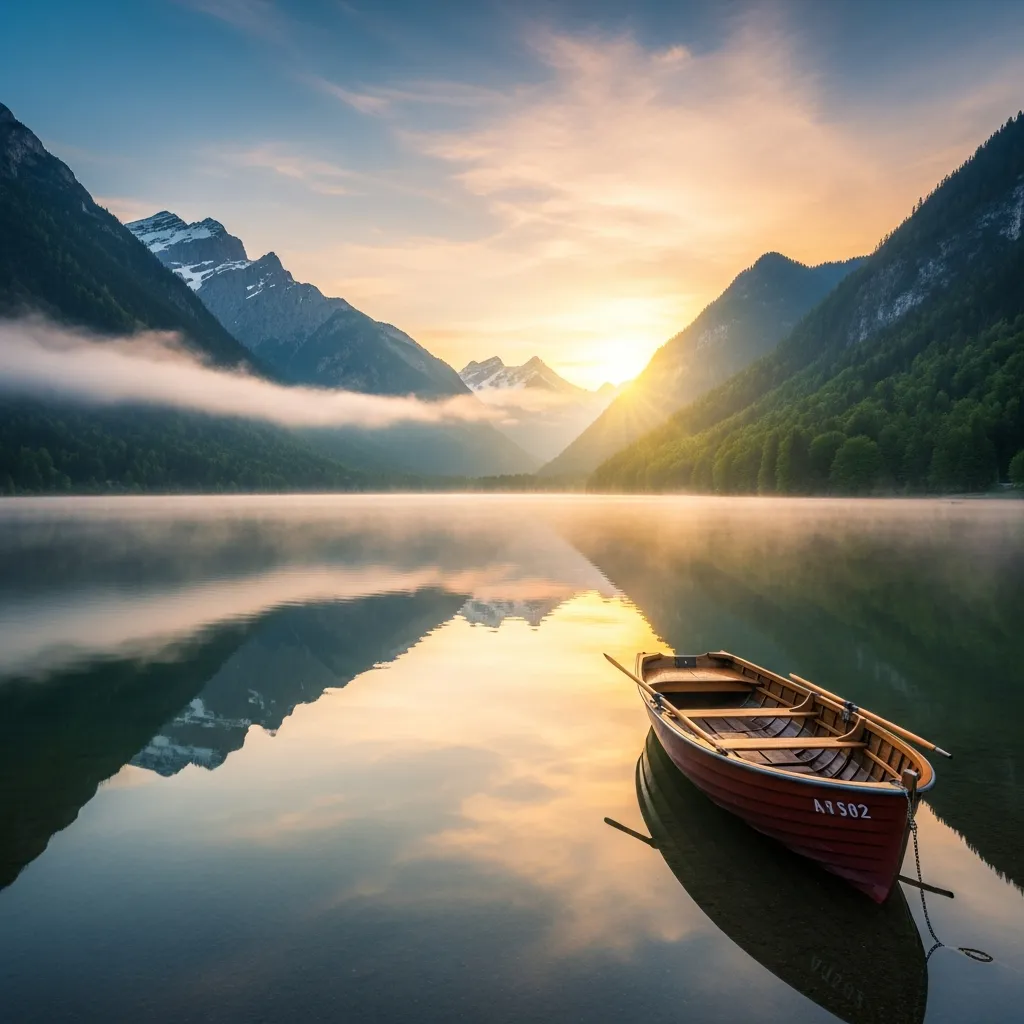
Water is the lifeblood of our planet. The most beautiful lakes in the world serve as gentle reminders of nature’s power and fragility. Seeking out these destinations allows us to step outside our routines and engage in truly transformative travel experiences. By traveling responsibly and supporting conservation efforts, we can help maintain the pristine beauty of these natural wonders. Start planning your next adventure, and let the quiet shores of a distant lake inspire your journey.
Frequently Asked Questions
1. What is the cleanest lake in the world?
Blue Lake in New Zealand is widely considered the clearest lake in the world, with underwater visibility reaching up to 80 meters.
2. Which is the deepest among the most beautiful lakes in the world?
Lake Baikal in Russia is the deepest lake globally, reaching a maximum depth of 1,642 meters (5,387 feet).
3. Can you swim in the Plitvice Lakes?
No, swimming is strictly prohibited in the Plitvice Lakes to protect the fragile ecosystem and maintain the water’s incredible clarity.
4. When is the best time to visit Lake Louise?
Summer (July and August) is ideal for hiking and seeing the turquoise water, while winter offers spectacular ice skating and skiing.
5. How was Lake Atitlán formed?
Lake Atitlán is a caldera lake, formed roughly 84,000 years ago following a massive volcanic eruption that caused the land to collapse.
6. Do I need a permit to visit Pangong Tso?
Yes, due to its location near the disputed border between India and China, tourists require an Inner Line Permit to visit Pangong Tso.
7. Why is Lake Malawi called the Lake of Stars?
The explorer David Livingstone gave it this name because the lanterns used by local fishermen at night looked like stars on the water.
8. Are there sharks in Lake Tahoe?
No, Lake Tahoe is a freshwater alpine lake. There are no sharks, though it is home to various species of trout and salmon.
9. How do you get to the island in Lake Bled?
Visitors typically hire a traditional wooden boat called a pletna, which is rowed by a local oarsman to the island.
10. What makes Lake Wakatipu’s water level rise and fall?
The lake experiences a phenomenon called a seiche, caused by variations in atmospheric pressure and wind, making it look like the lake is breathing.
11. How can I protect the most beautiful lakes in the world while traveling?
Always pack out your trash, use reef-safe and biodegradable sunscreens, respect wildlife, and support local conservation initiatives.
12. What are transformative travel experiences?
Transformative travel experiences occur when a journey leads to a significant shift in perspective, personal growth, or a deeper understanding of the world.