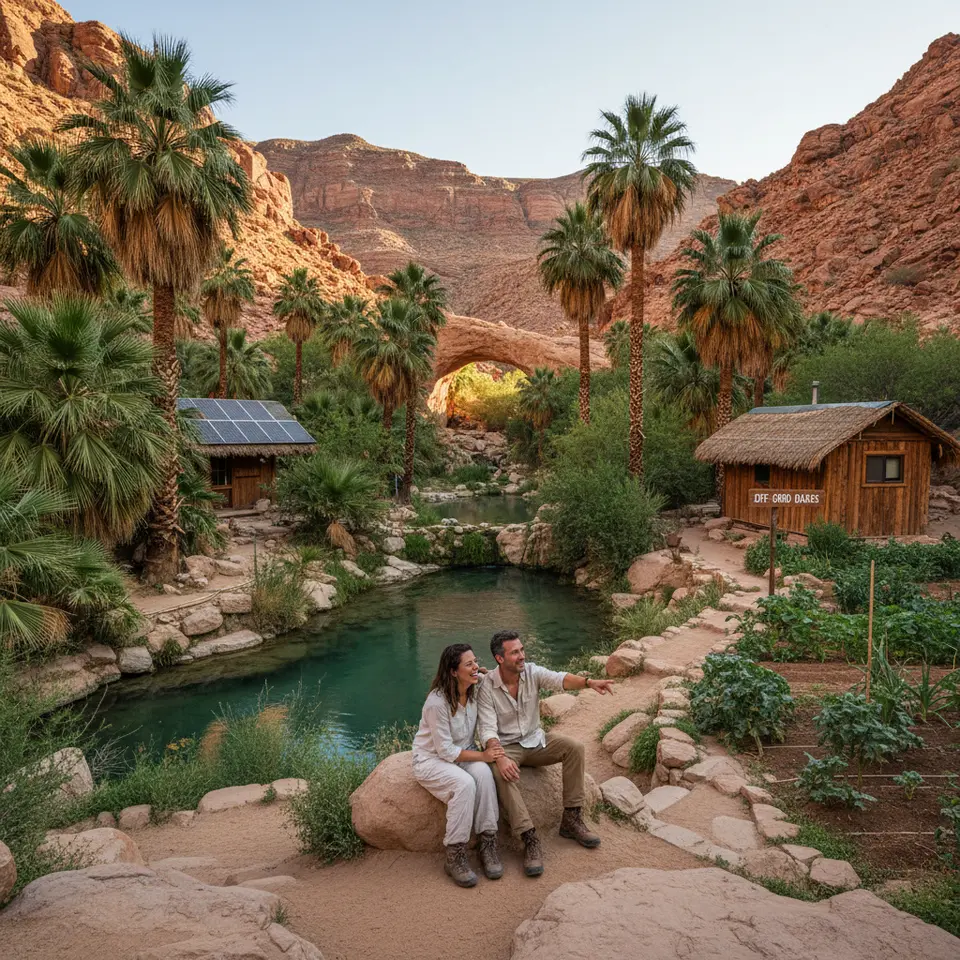
Today, more travelers are seeking off-the-grid desert escapes that combine serenity, cultural richness, and unspoiled landscapes. In today’s travel climate, deserts are no longer just barren expanses; they host hidden oases—lush pockets of palms, springs, and boutique retreats that remain off mainstream radar. Whether you dream of soaking in natural hot springs carved into canyon walls or sleeping under a canopy of stars in a traditional yurt, remote desert hideaways promise experiences far removed from crowded resorts and busy cities.
This year , adventurers are embracing destinations that emphasize sustainability, community-led tourism, and immersive storytelling. From the fertile springs of Egypt’s Western Desert to the singing dunes of Central Asia’s Karakum, each location offers a unique blend of nature, history, and modern comfort. By venturing beyond paved roads and mapping out their own routes with reliable GPS devices—backed up by offline maps—visitors can uncover stories of ancient civilizations, taste local cuisine, and practice wellness rituals using time-honored techniques.
In this comprehensive guide, we’ll explore five categories of off-the-grid desert escapes, spotlighting nine remarkable oases. Along the way, you’ll find essential planning advice and external resources, including links to the National Park Service and UNESCO for further research. Whether you’re a solo nomad, a wellness seeker, or a culture enthusiast, prepare to ignite your wanderlust and discover the unseen desert sanctuaries that await in 2026.
African Desert Gateways: Siwa, Skoura, and Douz
North Africa offers a trove of off-the-grid desert escapes where history, culture, and nature converge. In Egypt’s Western Desert, Siwa Oasis is a timeless sanctuary cocooned by the Great Sand Sea and the Qattara Depression. Today, travelers can stay in restored mudbrick homes in the ancient Shali village, savor olive-oil massages infused with local botanicals, and immerse themselves in Bedouin hospitality. Cyclists and 4×4 enthusiasts explore salt flats en route to Cleopatra’s Bath, while evening feasts under the stars showcase hearty lamb tagines and freshly baked flatbreads. Siwa’s artisans invite visitors to shop for intricately carved silver jewelry and handwoven mats, supporting the local economy and preserving traditional crafts.
Further west in Morocco’s Ouarzazate Province, Skoura Oasis extends across 5,000 acres of date palms and century-old kasbahs. Boutique riads nestle among verdant groves, offering modern amenities alongside Berber design. Guests can wander narrow alleys beneath leafy canopies, tour the UNESCO-protected Amridil Kasbah, or assist farmers during the date harvest. Culinary enthusiasts will appreciate farm-to-table tagines, slow-cooked over open flames, and flavored with honey harvested from oasis apiaries. At night, desert camps ring with the rhythms of Berber music as storytellers gather under a blanket of stars.
In Tunisia, Douz Oasis reigns as the “Gateway to the Sahara.” Here, rows of date palms and argan trees line winding pathways leading to traditional guesthouses. Camel caravans depart at dawn for Erg Oriental’s towering dunes, while archaeologists and culture buffs explore the local Sahara Museum, which houses exhibits on Tuareg heritage and prehistoric rock art. Adventurers can try sandboarding or hop in a 4×4 for salt flat excursions. Community-led initiatives in Douz focus on sustainable tourism, ensuring that local guides and artisans share in the benefits of each visit.
Americas’ Hidden Springs: Huacachina and Saline Valley
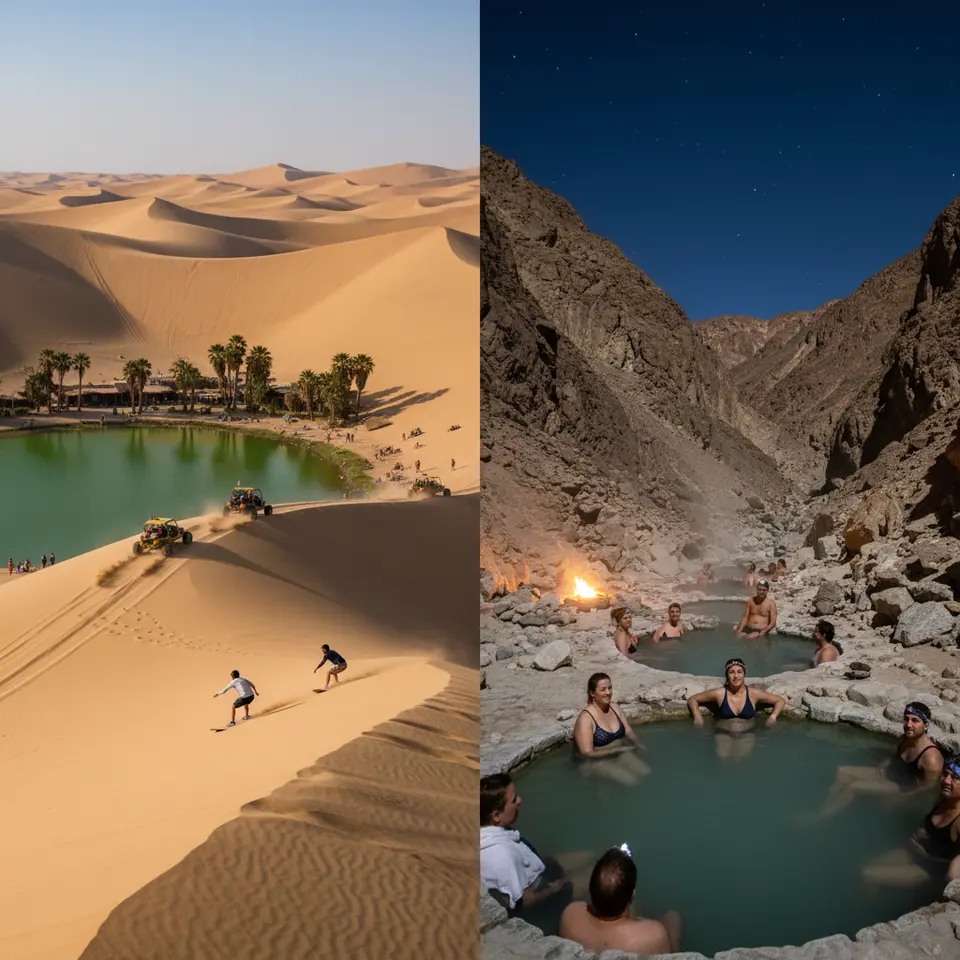
Across the Atlantic, South and North America boast their own gems among off-the-grid desert escapes. In Peru’s Ica Region, Huacachina is a tiny village built around a verdant lagoon said to have formed from a desert princess’s tears. Windblown ochre dunes rise hundreds of feet above date palms, providing the perfect playground for sandboarding and dune buggy chases. Adrenaline seekers can rocket downhill on customized boards before returning to eco-lodges for hammocks swaying beneath towering palms. Guided tours often include side trips to nearby vineyards, where guests sample Pisco in centuries-old bodegas.
Meanwhile, in Death Valley National Park, California, the Saline Valley Hot Springs remain some of the most secluded geothermal pools in the continental United States. Accessible only by high-clearance 4×4 vehicles, this off-the-grid oasis demands careful planning: pack a four-season tent, ample water, and durable cooking gear. Once on site, soak in mineral-rich tubs hewn from rock, framed by towering canyon walls. With minimal light pollution, star-gazers can observe constellations in crystal clarity. The National Park Service offers essential safety guidelines, and travelers are encouraged to practice Leave No Trace principles to help preserve these fragile resources.
Middle Eastern & Central Asian Wonders: Al Ula and Kara Kum
The Arabian Peninsula and Central Asia feature desert escapes steeped in ancient heritage. In Saudi Arabia’s Al Madinah Province, Al Ula Oasis sits amidst towering sandstone formations and carved Nabatean tombs. Recent tourism initiatives have delivered luxury camps that blend into the rock face, desert spas offering treatments with date-palm oils, and curated culinary events celebrating regional ingredients. Hegra (Madain Saleh), the country’s first UNESCO World Heritage Site, invites visitors to wander centuries-old tomb facades chiseled into rose-hued cliffs. Hot-air balloon rides at sunrise paint the rugged landscape in golden hues.
Thousands of miles northeast in Turkmenistan’s Karakum Desert, Kara Kum Oasis Camp is managed by nomadic families whose ancestors roamed these dunes for centuries. Yurts furnished with handwoven carpets and felt bedding offer immersive stays. Days begin with salty camel-milk tea, followed by camelback treks to dunes that “sing” as wind sweeps across sand ridges. Guests learn falconry techniques, master yurt assembly, and join in communal meals of hearty stews baked in underground tandyrs. Evenings glow with folk music around an open fire, forging deep connections between visitors and hosts.
Moroccan Dunes & Australian Palms: Erg Chebbi and Palm Valley
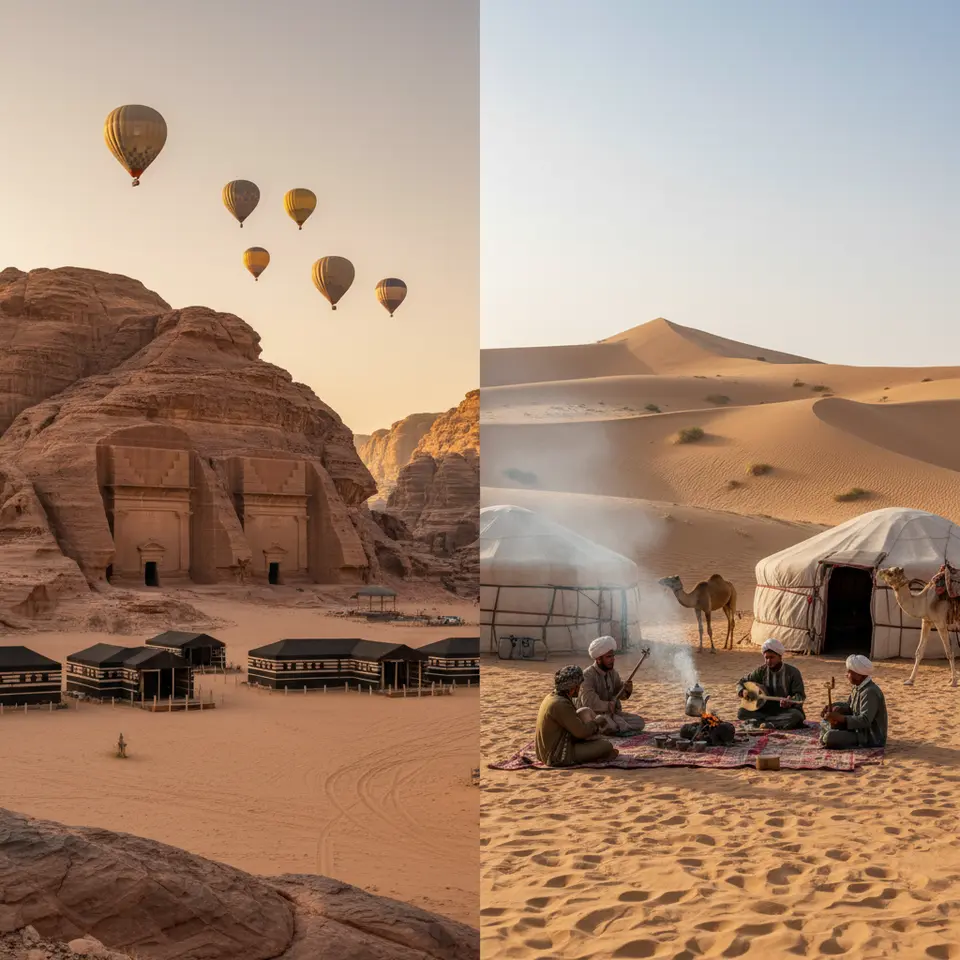
Morocco’s Erg Chebbi dunes are legendary for their towering sand waves and Bedouin hospitality. Erg Chebbi Oasis Camp offers plush, canvas tents with star-view rooftops and private verandas. At dawn, camel caravans climb golden ridges for a sunrise spectacle. Days fill with yoga sessions on the sand, henna-art workshops, and expeditions to fossil-laden plains. Evenings converge in communal tents for live drumming under one of the world’s most expansive star fields.
On the other side of the globe, Palm Valley Oasis in Australia’s Finke Gorge National Park shelters an isolated grove of Red Cabbage Palms—remnants of an ancient rainforest. Only accessible by challenging 4WD tracks, this sanctuary features sandstone gorges and permanent waterholes. Indigenous rangers lead guided walks, sharing Dreamtime legends and explaining how species have adapted to the arid climate. As sunset sets the gorge ablaze with red and gold hues, campers settle beside crystal pools for an unforgettable night beneath the Southern Cross.
Planning & Packing for Off-the-Grid Desert Escapes
Embarking on Off-the-Grid Desert Escapes requires careful planning, smart packing, and a responsible mindset. These remote journeys often take you far away from cities, mobile networks, and emergency services—so preparation is not just about comfort, but survival, sustainability, and respect for fragile desert ecosystems.
Essential Hydration & Sun Protection
One of the most critical parts of Off-the-Grid Desert Escapes is managing extreme heat and dryness. Travelers should always carry at least four liters of water per person per day, as dehydration can occur rapidly in desert environments.
To protect yourself from harsh sunlight, pack:
- High-SPF sunscreen (reef-safe or eco-friendly if possible)
- Wide-brimmed hats for full face and neck coverage
- UV-protective sunglasses
- Lightweight scarves or desert wraps for sand and sun protection
Just like in Ethical Safari Experiences, where wildlife protection is a priority, desert travel also demands responsible personal preparation that minimizes risk and environmental impact.
Clothing & Layering Strategy for Desert Conditions
Proper clothing is essential for comfort during Off-the-Grid Desert Escapes. Temperatures can shift dramatically between day and night, so layering is key.
Recommended packing includes:
- Breathable, loose-fitting cotton or linen clothing for daytime heat
- Moisture-wicking fabrics for active trekking or hiking
- Warm insulated layers for cold desert nights
- Durable walking boots or sand-resistant footwear
This approach is similar to preparation used in Ethical Safari Experiences, where travelers adapt their clothing and gear to protect both themselves and the environment during long outdoor expeditions.
Navigation, Safety Tools & Emergency Gear
Since many Off-the-Grid Desert Escapes occur in remote areas without mobile coverage, navigation tools are essential.
Always carry:
- A reliable GPS device
- Offline maps (downloaded before departure)
- Compass as a backup navigation tool
- Fully charged power banks and spare batteries
In addition, safety gear should include:
- Comprehensive first-aid kit
- Multi-tool or survival knife
- Emergency whistle and flashlight
- Portable water purification system
These precautions align closely with principles seen in Ethical Safari Experiences, where responsible travel includes safety planning and respect for natural environments.
Camping Equipment for Remote Desert Stays
If your Off-the-Grid Desert Escapes involve overnight camping, proper gear is essential for survival and comfort.
Must-have camping essentials:
- Four-season tent designed for extreme temperatures
- Insulated sleeping pad for ground protection
- Lightweight sleeping bag rated for cold desert nights
- Compact, fuel-efficient cooking stove
- Durable, wind-resistant shelter accessories
Eco-friendly camping also mirrors practices used in Ethical Safari Experiences, where low-impact accommodation helps preserve wildlife habitats and natural landscapes. Read for more details : Polar Paradises
Cultural Respect & Responsible Travel Practices
One of the most important aspects of Off-the-Grid Desert Escapes is respecting local communities and traditions. Many desert regions are home to indigenous groups with deep cultural heritage.
Travel responsibly by:
- Following local dress codes and customs
- Asking permission before photographing people
- Avoiding alcohol in restricted cultural zones
- Supporting local guides, artisans, and family-run camps
Just like Ethical Safari Experiences, desert travel should contribute positively to local communities rather than disrupt or exploit them.
Eco-Friendly Travel & Sustainable Choices
Sustainability plays a major role in modern Off-the-Grid Desert Escapes. Many desert camps now use solar energy, water recycling systems, and plastic-free policies to reduce environmental impact.
To travel sustainably:
- Use reusable water bottles and containers
- Avoid single-use plastics
- Choose eco-lodges or community-run camps
- Minimize waste and follow Leave No Trace principles
These values strongly overlap with Ethical Safari Experiences, where conservation, wildlife protection, and responsible tourism are central priorities.
Health Precautions & Pre-Travel Preparation
Before starting Off-the-Grid Desert Escapes, always check health and safety advisories from trusted sources such as government travel websites or health organizations.
Key steps include:
- Updating vaccinations if required
- Carrying personal medications and prescriptions
- Checking weather and sandstorm alerts
- Informing someone about your travel route and return plan
This level of preparation is similar to Ethical Safari Experiences, where safety and environmental awareness go hand in hand.
Final Travel Mindset: Responsible Exploration
Ultimately, Off-the-Grid Desert Escapes are not just about adventure—they are about mindfulness, preparation, and respect. By traveling responsibly, you help preserve fragile desert ecosystems and support the people who call these regions home.
Just as with Ethical Safari Experiences, the goal is to explore nature without harming it, ensuring that future generations can enjoy these untouched landscapes.
Conclusion
Off-the-Grid Desert Escapes offer a rare chance to disconnect from the noise of modern life and reconnect with nature, culture, and yourself. From hidden oases surrounded by towering dunes to remote hot springs tucked inside rugged canyons, these destinations redefine what it means to travel meaningfully. As more travelers seek authenticity and sustainability, desert adventures are becoming powerful examples of how tourism can preserve ecosystems while supporting local communities.
By choosing Off-the-Grid Desert Escapes, you embrace slow travel, cultural respect, and environmental responsibility. Whether you’re exploring ancient caravan routes, sleeping under starlit skies, or enjoying wellness rituals in natural springs, every moment becomes more intentional and memorable. Step beyond the usual турист paths and discover how the world’s most remote deserts can offer some of the richest travel experiences on Earth.
FAQ
What are Off-the-Grid Desert Escapes?
Off-the-Grid Desert Escapes are remote desert travel experiences that focus on isolation, natural beauty, and minimal infrastructure. These trips often include hidden oases, eco-camps, and culturally immersive stays far from crowded tourist destinations.
Why are Off-the-Grid Desert Escapes becoming popular?
Travelers are increasingly drawn to Off-the-Grid Desert Escapes for their tranquility, authenticity, and sustainable travel opportunities. They offer a break from overcrowded destinations and allow deeper connections with nature and local cultures.
Are Off-the-Grid Desert Escapes safe for travelers?
Yes, Off-the-Grid Desert Escapes can be safe with proper planning. Travelers should carry enough water, use GPS or offline maps, inform someone of their itinerary, and consider guided tours in unfamiliar regions.
What is the best time to visit desert oases?
The ideal time for Off-the-Grid Desert Escapes is during spring and autumn when temperatures are moderate. Summers can be extremely hot, while winters may bring cold desert nights.
What should I pack for Off-the-Grid Desert Escapes?
Essential items include water supplies, sun protection (hat, sunscreen, sunglasses), breathable clothing, a first-aid kit, navigation tools, and camping gear if staying in remote areas.
Can I travel solo on Off-the-Grid Desert Escapes?
Solo travel is possible on Off-the-Grid Desert Escapes, but it requires extra precautions such as carrying communication devices, planning routes carefully, and staying in reputable eco-camps or guided setups.
Are these desert escapes eco-friendly?
Many Off-the-Grid Desert Escapes focus on sustainability, using solar power, water conservation systems, and low-impact accommodations. Choosing eco-conscious operators helps protect fragile desert ecosystems.
What activities can I enjoy in desert escapes?
Popular activities include camel trekking, sandboarding, stargazing, hot spring bathing, cultural tours, hiking, and photography—making Off-the-Grid Desert Escapes both adventurous and relaxing.
How do these trips support local communities?
Off-the-Grid Desert Escapes often involve community-led tourism, where locals provide lodging, guiding, food, and cultural experiences—ensuring economic benefits stay within the region.
Do I need special equipment for desert travel?
Yes, for Off-the-Grid Desert Escapes, you may need 4WD vehicles, GPS devices, satellite communication tools, and durable camping gear depending on the remoteness of your destination.
Are Off-the-Grid Desert Escapes suitable for beginners?
Beginners can enjoy Off-the-Grid Desert Escapes by choosing guided tours or semi-remote locations with basic amenities. Fully remote expeditions may require prior experience.
How can I travel responsibly in desert regions?
To enjoy Off-the-Grid Desert Escapes responsibly, follow Leave No Trace principles, respect local customs, avoid littering, conserve water, and support eco-friendly accommodations and local businesses.