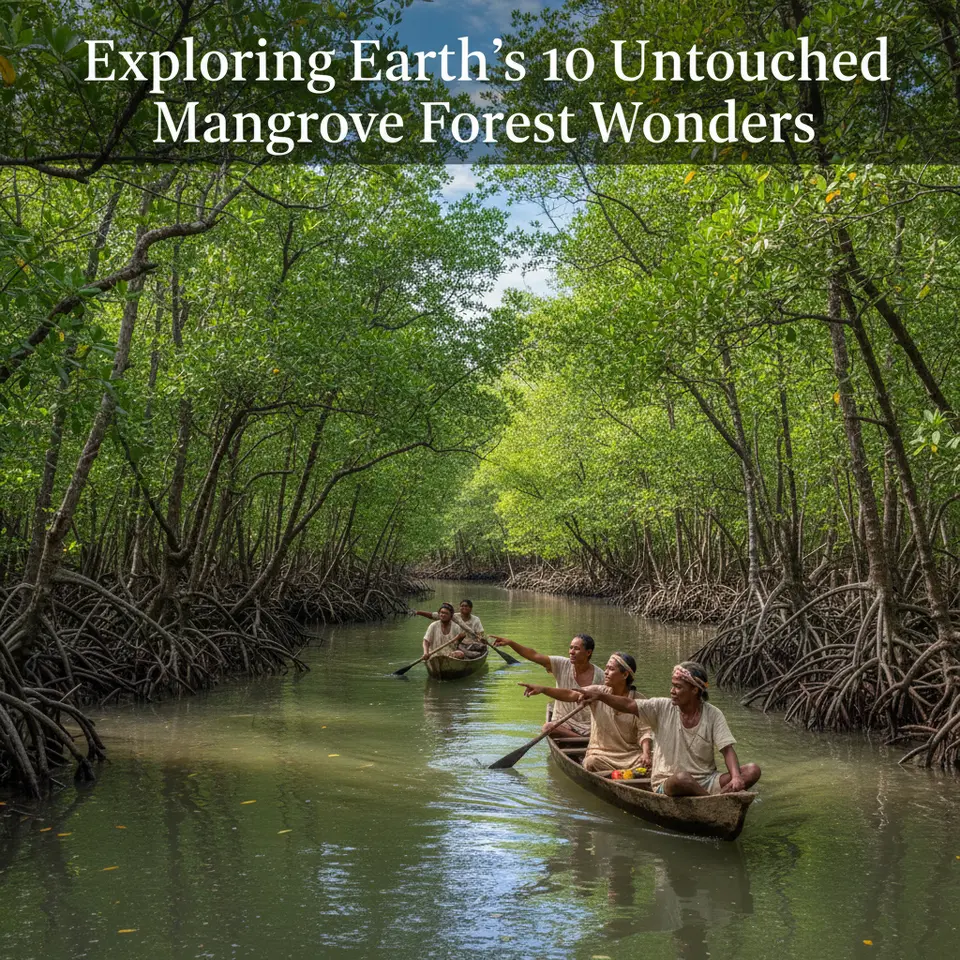
In today’s digital landscape, travelers and conservation enthusiasts alike are increasingly drawn to the world’s most pristine ecosystems, seeking authentic encounters and meaningful impact. Among these, untouched mangrove forest wonders stand out as remarkable interfaces between land and sea, providing critical habitat for wildlife and buffering coastlines against storms. This year (2026), the importance of safeguarding these vital wetlands has never been clearer. From the expansive tidal creeks of the Sundarbans to the silent lagoons of Egypt’s Red Sea coast, these environments teem with unique biodiversity, store significant carbon, and support local communities through eco-tourism.
As you embark on this virtual journey through five sections highlighting ten extraordinary sites, you’ll discover practical tips for responsible travel, insights from authoritative sources, and woven narratives that bring each location to life. Whether you’re planning an expedition or simply seeking inspiration, this comprehensive guide introduces some of the planet’s most untouched mangrove forest wonders, all while emphasizing conservation and sustainable engagement. Join us as we paddle, hike, and explore these living coastal treasures, and learn how you can contribute to their protection today.
Sundarbans and Everglades: Giants of the Mangrove World
Sundarbans, Bangladesh & India
The Sundarbans, spanning over 10,000 square kilometers across Bangladesh and India, represents the world’s largest mangrove forest and a UNESCO World Heritage Site (https://whc.unesco.org/en/list/798). This year (2026), scientists emphasize its role in biodiversity conservation and climate regulation. Navigating its labyrinth of tidal creeks by traditional wooden boats unveils glimpses of the elusive Bengal tiger, estuarine crocodile, and Irrawaddy dolphin. Local guides—often descendants of fishing and honey-harvesting communities—share generational knowledge about sustainable honey collection and traditional fishing techniques. Staying in stilted eco-lodges perched above the water offers boardwalk access to research stations where you can learn about mangrove restoration efforts spearheaded by organizations such as the International Union for Conservation of Nature.
While visiting between November and February ensures cooler weather and heightened wildlife activity, responsible travelers should adhere to park regulations, avoid disturbing habitats, and support community-led conservation initiatives. The Sundarbans’ intricate network of roots and waterways also serves as a coastal shield, protecting inland villages from cyclones and storm surges. By witnessing this living barrier, visitors gain a deeper appreciation for the blend of ecological function and cultural heritage that defines an untouched mangrove forest wonder.
Everglades National Park, USA
Florida’s Everglades National Park is the largest subtropical wilderness in the contiguous United States, home to extensive mangrove fringes that merge into vast sawgrass marshes. Managed by the National Park Service (https://www.nps.gov/ever/index.htm) and recognized as a Wetland of International Importance under the Ramsar Convention, the Everglades play a vital role in regional water filtration and hurricane resilience. Today, eco-tourists can glide through winding waterways on airboat tours, paddle along the Wilderness Waterway, or explore tranquil mangrove tunnels via guided kayak trips.
Seasonal bird migrations bring over 300 species to roost among the red, black, and white mangroves, while American crocodiles and West Indian manatees navigate the brackish channels. Winter months offer milder temperatures and fewer mosquitoes, making wildlife observation more comfortable. Eco-cabins near Flamingo Marina—powered by renewable energy—provide nocturnal wildlife walks, where the calls of marsh birds and rustle of small mammals awaken a sense of wonder. By choosing certified green lodges and following Leave No Trace principles, visitors play a direct role in preserving one of North America’s most iconic untouched mangrove forest wonders.
Tanjung Puting and Sian Ka’an: Tropical Biodiversity Hotspots
![[object Object]](https://hightimetravels.com/wp-content/uploads/2026/05/exploring-earth-s-10-untouched-mangrove-forest-won-image-1.webp)
Tanjung Puting Reserve, Borneo
Located in Central Kalimantan, Indonesia, Tanjung Puting Reserve is renowned for its prime orangutan habitats, while its coastal fringes conceal diverse mangrove stands. Recognized by the World Wildlife Fund as a critical conservation landscape, this reserve offers multi-day klotok boat expeditions through narrow mangrove-laced rivers. Along the way, travelers encounter proboscis monkeys swinging through canopy tunnels, macaques foraging on muddy banks, and vibrant birdlife that includes hornbills and kingfishers.
Start your journey at Camp Leakey, a research station established by Dr. Biruté Galdikas, where ongoing rehabilitation projects support orphaned orangutans. Best visited during the dry season from July to October, clear waterways improve navigation and animal sightings. Researchers and guides share insights on mangrove ecology, emphasizing the symbiotic relationship between these forests and nearby peatlands. By supporting local homestays and community eco-lodges, travelers bolster reforestation initiatives, maintaining Tanjung Puting’s status as an untamed sanctuary that merges scientific discovery with immersive ecotourism.
Sian Ka’an Biosphere Reserve, Mexico
Designated as a UNESCO Biosphere Reserve in 1986, Sian Ka’an on Mexico’s Caribbean coast safeguards over 600 square kilometers of mangroves, marshes, and coral reefs. This complex of habitats is documented by marine research institutions, including the National Autonomous University of Mexico (UNAM). Visitors can embark on guided boat tours through red mangrove-lined channels, observing nesting sea turtles and flocks of roseate spoonbills. In open lagoons like Laguna de Términos, playful bottlenose dolphins and majestic manta rays traverse nutrient-rich waterways.
Collaboration with local Mayan communities ensures culturally respectful eco-lodging and authentic gastronomic experiences. Between November and March—the dry season—waters remain clear, offering unparalleled snorkeling opportunities among vibrant reefs. Workshops on traditional basket weaving and sustainable fishing techniques further connect travelers with centuries-old practices. By adhering to strict waste management protocols and supporting community-led grants, visitors help protect one of the hemisphere’s most remarkable untouched mangrove forest wonders.
Twin Cays and Daintree: Island and Rainforest Frontiers
Twin Cays, Belize
Situated within Turneffe Atoll, Twin Cays in Belize host some of the healthiest Caribbean mangroves, adjacent to thriving coral reefs. Managed by conservation groups such as the Belize Audubon Society, this atoll offers a perfect blend of marine and mangrove exploration. Guests dive or snorkel alongside nurse sharks and rainbow parrotfish one day, then kayak through red and black mangrove forests the next. Juvenile fish, spiny lobsters, and the occasional West Indian manatee find refuge in the prop roots of these wetlands.
Accommodation options range from small-scale eco-resorts to floating platforms, all committed to minimal environmental footprints. Travelers planning trips from January to May enjoy calm seas and avoid hurricane season. Interpretive guides share insights on coral reef-mangrove connectivity, highlighting how these ecosystems mitigate coastal erosion and support local fisheries. By choosing locally staffed tours and purchasing community-made handicrafts, visitors contribute directly to ongoing restoration and education programs designed to preserve Twin Cays’ pristine character.
Daintree Rainforest, Australia
While the Daintree is celebrated for its ancient terrestrial rainforests, its coastal fringes reveal expansive mangrove wetlands that teem with specialized fauna. Located north of Cairns in Queensland, the Daintree River mouth hosts saltwater crocodiles basking among the roots, while tree-dwelling crabs and monitor lizards emerge under moonlight. Guided night walks illuminate the hidden lives of these creatures, and interpretive centers detail the evolutionary significance of tropical mangroves.
Daytime boat tours along the Daintree River delve into the interplay between freshwater inflows and saline tidal cycles, a dynamic system studied by James Cook University researchers. Accommodations—from eco-bungalows to luxury lodges—prioritize off-grid designs and waste recycling. Visiting during the dry season (May through October) ensures optimal wildlife viewing and reduced insect activity. By engaging with Indigenous-managed tours and supporting reef-mangrove conservation partnerships, travelers help maintain the Daintree’s reputation as an untouched mangrove forest wonder at the edge of the world.
Mahajanga & Red Sea Mangroves and Andros Island & Krabi: Global Coastal Gems
![[object Object]](https://hightimetravels.com/wp-content/uploads/2026/05/exploring-earth-s-10-untouched-mangrove-forest-won-image-2.webp)
Mahajanga Mangroves, Madagascar
In northwest Madagascar, the Mahajanga region harbors dense mangrove forests recognized by the Madagascar Mangrove Initiative. These wetlands host endemic species such as the Madagascar kingfisher and various herons. Traditional pirogue trips, led by community conservationists, navigate narrow channels past rice paddies and majestic baobab trees. Along salt flats shimmering under tropical suns, visitors gain insight into the cultural and ecological tapestry of the island.
Staying at eco-guesthouses run by local cooperatives ensures direct support for reforestation projects that combat coastal erosion. Between April and November—the dry season—clear skies and ease of navigation make for comfortable exploration. By purchasing handmade crafts and participating in village-led planting days, travelers help safeguard one of Africa’s most unspoiled mangrove sanctuaries.
Red Sea Mangroves, Egypt
Along Egypt’s eastern coastline, pockets of mangroves near El Gouna and Hurghada remain off the typical tourist trail. These quiet lagoons are best explored via guided kayak tours, revealing flamingos foraging among prop roots and hidden coral gardens beneath the water’s surface. The mangroves here filter nutrients that sustain colorful reef communities, a process documented by the Red Sea Research Center at King Abdullah University of Science and Technology.
Eco-tents pitched on sandy banks allow nights under starlit skies, lulled by gentle tidal sounds. Optimal conditions between October and April offer moderate temperatures and reduced heat stress. By adhering to strict no-trace camping rules and supporting local reef-monitoring programs, visitors assist in preserving these remote mangrove stands as living testaments to nature’s resilience.
Andros Island, Bahamas
Home to the Caribbean’s largest continuous mangrove system, Andros Island supports complex ecosystems tied to the Andros Barrier Reef. Certified bonefishing guides lead anglers through flats bordered by mangrove hammocks, while nature walks unveil West Indian flamingos and Bahama parrots among vine-draped roots. Community-run eco-lodges also offer hands-on restoration workshops and traditional shell-craft classes.
Visiting during the dry season from December to April provides ideal conditions for both land and marine excursions. The Bahamas National Trust underscores the importance of mangroves for shoreline stabilization and nursery habitats. By choosing local operators and offsetting travel emissions through reforestation partnerships, guests help secure Andros Island’s status as an enduring untouched mangrove forest wonder.
Krabi Mangroves, Thailand
Krabi’s mangrove islands emerge amid emerald waters and towering limestone karsts. Paddling through secluded lagoons, travelers encounter mudskippers hopping among roots, vibrant kingfishers perched overhead, and monitor lizards navigating muddy banks. Evening boat trips illuminate bioluminescent plankton dancing beneath the mangrove canopy, a phenomenon studied by marine scientists at Prince of Songkla University.
Local guides share knowledge about medicinal uses of mangrove species and the intricate balance between coastal communities and their environment. Visiting between November and March avoids monsoon rains, ensuring clear skies and safe waters. By selecting locally owned tour companies and adhering to strict wildlife viewing guidelines, visitors help maintain Krabi’s mangrove legacy for generations to come.
FAQ
How can I minimize my impact when visiting mangrove forests?
Follow Leave No Trace principles by staying on designated paths, avoiding wildlife disturbance, and carrying out all waste. Choose guided tours that emphasize conservation and community engagement to ensure your visit supports local protection efforts.
What should I look for in eco-friendly accommodations near mangroves?
Look for lodges powered by renewable energy, those that treat and reuse water, and properties that have certifications from recognized environmental organizations. Accommodations that invest in local conservation or community projects indicate strong sustainability commitments.
Are there any health precautions I should take before a mangrove eco-tour?
Consult your healthcare provider about recommended vaccinations, such as those for hepatitis A and typhoid. Carry insect repellent, wear long sleeves and pants during dawn and dusk, and pack any personal medications. Always follow guide advice on water safety and wildlife encounters.
Conclusion
From the vast Sundarbans to the hidden mangroves of the Red Sea, each destination introduces travelers to the rich tapestry of life thriving where land meets water. These untouched mangrove forest wonders are indispensable for biodiversity, climate resilience, and cultural heritage. By traveling responsibly—choosing eco-friendly accommodations, supporting community-led initiatives, and following Leave No Trace principles—you become an active participant in their preservation.
As you plan your next adventure, remember that each paddle stroke and guided hike contributes to a larger narrative of conservation and stewardship. Whether spotting orangutans in Borneo, birdwatching in Mexico, or kayaking beside bioluminescent plankton in Thailand, your journey this year (2026) can help ensure that these living coastal treasures endure. Embrace the opportunity to explore, learn, and protect the world’s most remarkable mangrove ecosystems.