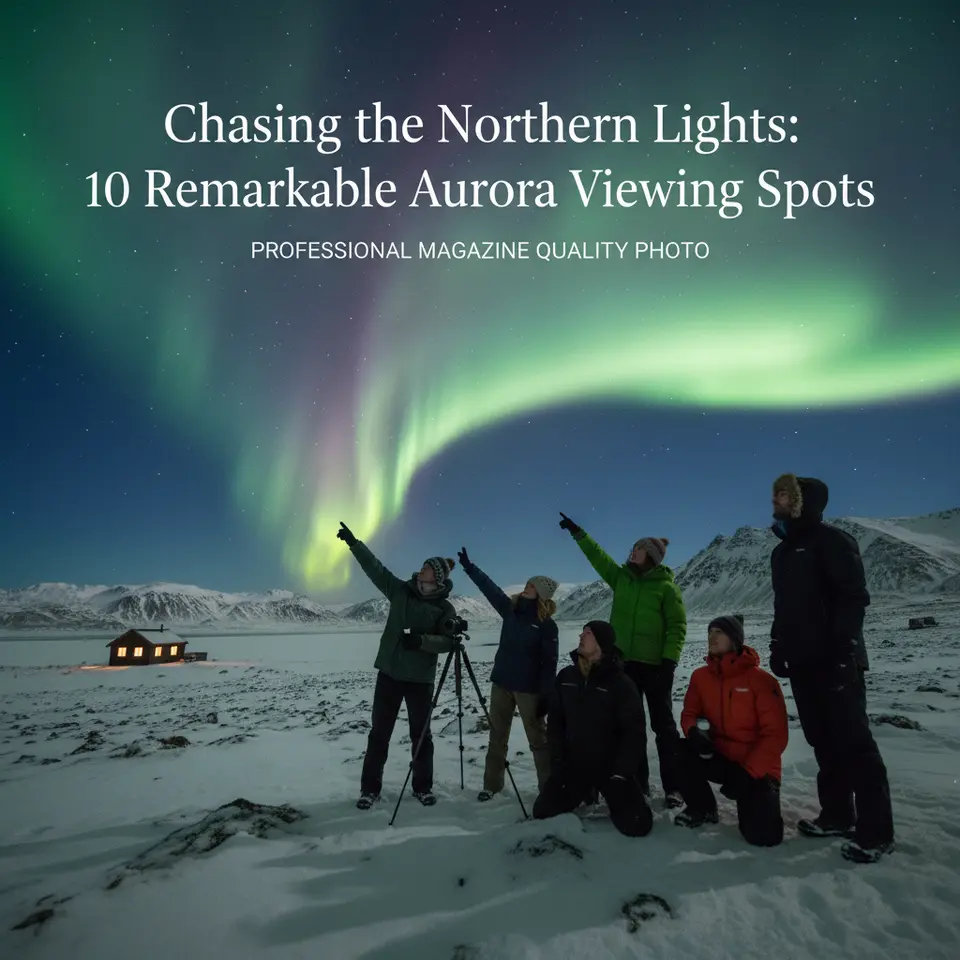
In today’s digital landscape, few experiences rival the thrill of chasing the northern lights. This year, adventure seekers and photography enthusiasts alike are drawn to the Arctic’s celestial ballet, eager to witness nature’s most dazzling light show. While well-traveled viewpoints deliver reliable sightings, venturing beyond the beaten path can uncover pristine vantage points, minimal light pollution, and a deeper connection to local culture. With science-driven forecasts from NASA and NOAA, travelers can plan with precision and optimize their odds of viewing the aurora borealis.
Today, we present a comprehensive guide to ten less conventional destinations where chasing the northern lights transforms into an immersive Arctic adventure. From remote Scandinavian tundra to hidden coves in Iceland and secluded lodges in Canada, each location combines expert guidance, cozy accommodations, and unique local traditions. Whether you prefer to embark on a snowmobile safari under a star-studded sky or relax in a heated glass igloo, this in-depth article will equip you with timing tips, cultural insights, and logistical advice for an unforgettable pursuit of the northern lights.
Scandinavian Northern Lights Hotspots
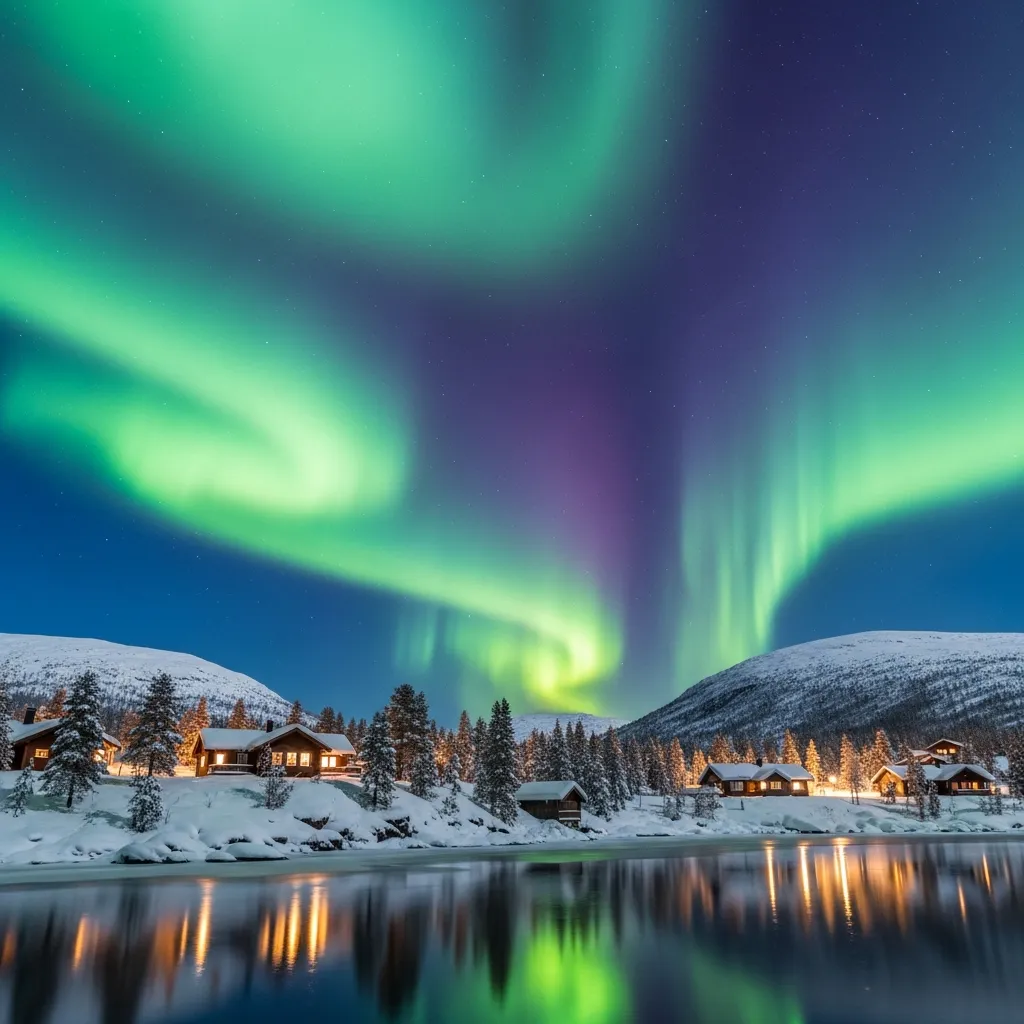
Kirkenes, Norway
Located near the Russian border, Kirkenes beckons travelers chasing the northern lights with its rugged Arctic fjords and tundra landscapes. Away from urban hubs, this tranquil outpost offers crystal-clear skies and extended nighttime hours optimal for aurora viewing. Accommodation choices range from striking ice hotels sculpted entirely of snow and ice to modern glass cabins that frame the sky like living galleries. Local guides enhance your expedition, whisking you by snowmobile or husky sled to elevated cliffs and frozen lakes free from stray light.
Timing your visit is crucial: mid-February through late March provides long nights tempered by comparatively milder temperatures, making outdoor excursions more comfortable. During these months, meteorological data indicates that geomagnetic activity peaks with increased frequency, so dressing in layered thermal apparel is essential. Kirkenes also boasts rich Sami culture; guided visits to reindeer camps and traditional lavvu tents add a meaningful context to your aurora hunt. With cozy smoke saunas to warm chilled bodies and regional cuisine featuring king crab and smoked lamb, this destination offers a full sensory immersion while you continue chasing the northern lights well into the Arctic night.
Abisko, Sweden
Abisko National Park is renowned among those chasing the northern lights for its famed “Blue Hole” phenomenon—a local atmospheric anomaly that often yields clearer skies despite widespread cloud cover. Perched on Mount Nuolja, the STF Aurora Sky Station provides panoramic lookout decks, powerful telescopes, and heated shelters, ensuring that you experience every nuance of the aurora borealis in comfort. Travel via the evening chairlift to reach the summit, and you’ll find yourself enveloped by crisp, dry air and uninterrupted vistas over frozen Lake Torneträsk.
Prime aurora activity runs from late November through early April, when nights are longest and solar activity is at its most intense. Abisko’s microclimate contributes to an impressive number of clear-sky nights, making it an ideal basecamp for serious skywatchers. Accommodation options include rustic mountain lodges and sleek glass igloos, enabling guests to witness the celestial display from the warmth of their beds. Local operators also offer night photography workshops and guided snowshoe treks, perfect for capturing the dance of green and purple arcs against stark Nordic landscapes. For those currently planning, Abisko remains a top choice when chasing the northern lights beyond conventional routes.
Greenland and Alaska’s Aurora Arenas
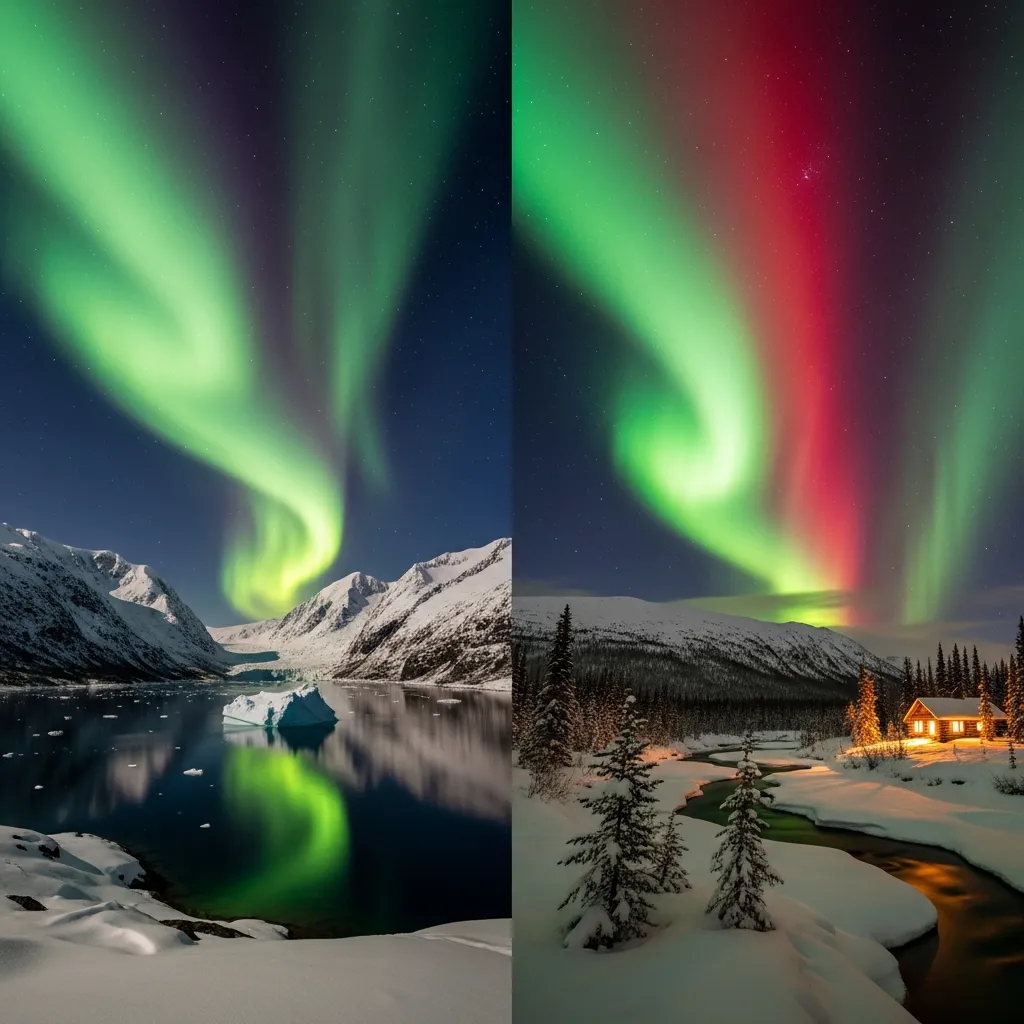
Ilulissat, Greenland
On the western coast of Greenland lies Ilulissat, a remote town famed for its colossal icebergs and UNESCO-listed Icefjord. This dramatic backdrop elevates aurora viewing to an otherworldly spectacle, as emerald curtains ripple above floating giants of ice. Luxury lodges with floor-to-ceiling windows invite guests to lounge in heated comfort while gazing skyward. Peak aurora season extends from late November through early March, offering extended periods of darkness essential for astronomic pursuits.
Daytime ventures into the Icefjord reveal sculpted ice formations and wildlife, while evening cruises provide a chance to combine boat-based iceberg tours with live displays of the aurora borealis. Onshore, cultural experiences include meeting local hunters and sampling traditional Greenlandic cuisine, featuring fresh Arctic char and muskox. For those chasing the northern lights, Ilulissat delivers an unparalleled combination of glacial grandeur and celestial wonder.
Fairbanks, Alaska
Fairbanks has earned a reputation as the Northern Lights Capital of the USA, positioned directly under the auroral oval where geomagnetic activity is both frequent and intense. From December through early April, nights stretch long and dark, offering prime conditions for skywatching. A short drive north leads to Chena Hot Springs Resort, where steaming thermal pools and geothermally heated cabins provide cozy retreats between aurora hunts.
For a distinctive lodging experience, book a glass-domed igloo or a transparent alpine cabin. Inside, automated climate control ensures comfort, while uninterrupted sky views invite guests to witness the full spectrum of green and red light arcs. Local aurora trackers maintain real-time forecasts, alerting visitors via text and email when solar flares promise an active display. Adventure-seekers can also sign up for dog-sledding expeditions or winter photography workshops, guaranteeing that every moment in Fairbanks is spent immersed in the pursuit of the northern lights.
Remote Wilderness and Arctic Adventures
Westfjords, Iceland
Bypassing Iceland’s popular Golden Circle, the Westfjords region offers dramatic cliffs and secluded fjords free from virtually all light pollution. Here, crashing ocean waves meet steep volcanic walls, creating a rugged shoreline that frames the aurora in breathtaking contrast. Statistically, the Westfjords enjoy more clear-sky nights than southern parts of the country, particularly between November and March.
Accommodation choices include converted fisherman’s cottages perched on rocky promontories and eco-lodges powered by geothermal and hydroelectric energy. Natural hot springs dot the landscape, inviting you to soak under the dancing lights. Local guides lead small-group tours by 4×4 vehicles or snowmobiles, traversing remote valleys in search of the perfect vantage point. For photographers and peace-seekers alike, the Westfjords deliver an authentic Arctic setting while chasing the northern lights.
Yukon Territory, Canada
The Yukon’s vast boreal forests and rolling tundra provide a pristine canvas for the aurora borealis. From late August through April, skies over Carcross, Whitehorse, and remote outposts along the Dempster Highway shimmer with regular displays. Travelers currently pursuing the northern lights can choose cozy lodges in Whitehorse or opt for wilderness cabins in Kluane National Park, minimizing any interference from stray lights.
Local tour operators offer dog-sledding adventures, ice-road excursions, and guided aurora photography workshops. One highlight is camping in remote yurts outfitted with wood-burning stoves and insulated tents—an authentic way to experience the North. For the truly adventurous, multi-day expeditions bring you deeper into Caribou herds and muskox territory, ensuring solitude and uninterrupted skywatching. The combination of Yukon hospitality, cultural storytelling, and abundant wildlife encounters makes this region a must for those chasing the northern lights beyond familiar settings.
Lapland and Polar Night Experiences
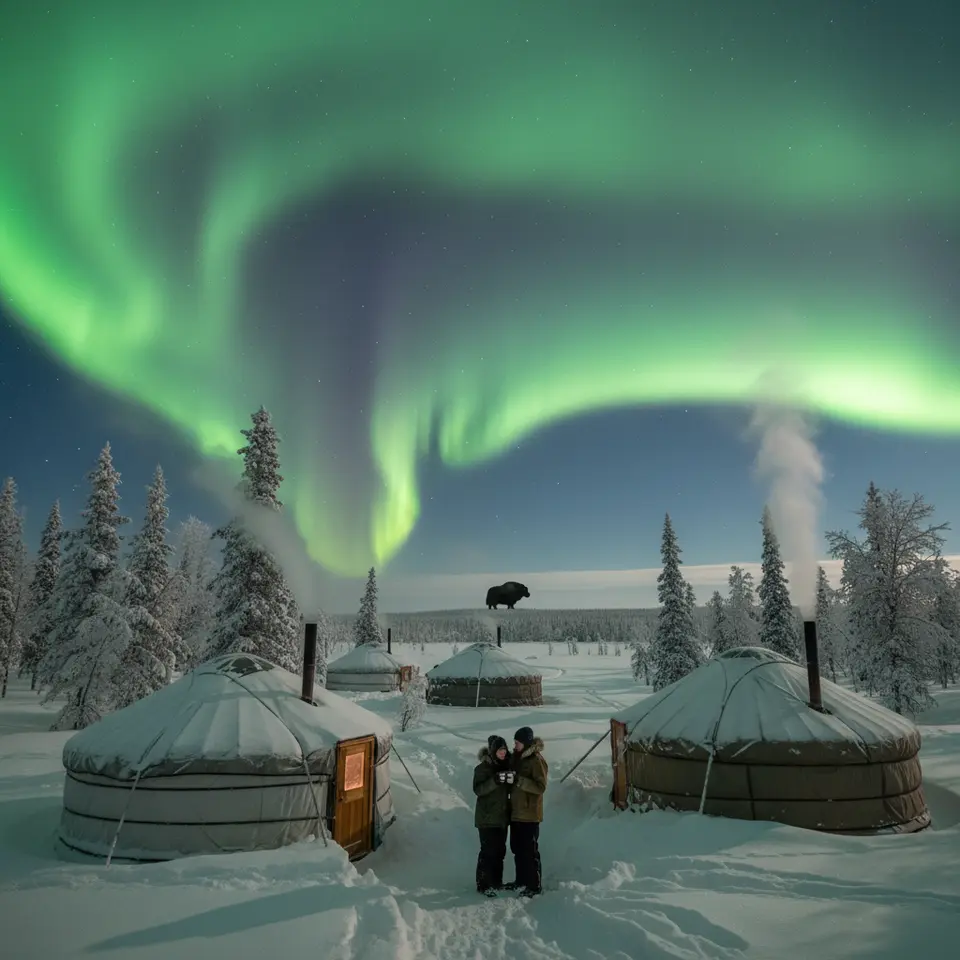
Kakslauttanen, Finland
In Finland’s northern Lapland lies Kakslauttanen, famous for its glass-igloo village set on the shores of small lakes. These innovative structures allow you to lie back and watch curtains of green and violet light dance overhead without exposing yourself to Arctic temperatures. The aurora season here spans August through April, though the most intense displays occur between December and February.
Beyond the igloos, guests can embark on reindeer sleigh rides, enter a traditional Sami camp, and learn about indigenous culture firsthand. Snowmobile safaris and winter hiking trails also showcase the stark beauty of the region. For warming up, the resort features several smoke saunas and locally-sourced fare like cloudberry jam and Lappish reindeer stew. When chasing the northern lights this far north, Kakslauttanen marries comfort with rugged authenticity.
Svalbard, Norway
Between mid-November and late January, Svalbard experiences polar night—24 hours of darkness that maximize opportunities for aurora sighting. Based in Longyearbyen, intrepid travelers can join snowmobile safaris heading deep into the Arctic wilderness, where remnants of wolf tracks and frozen fjord shorelines create a sense of untamed beauty. Temperatures can plunge far below freezing, so heavy-duty expedition gear is mandatory.
Local guides are highly experienced in polar travel and provide essential safety briefings, avalanche awareness, and wildlife education. For those chasing the northern lights, small-group tours ensure flexible schedules that chase clear skies and active geomagnetic forecasts. Between excursions, Svalbard’s research station and museum offer fascinating insights into Arctic science and history, making this an intellectually enriching destination as well as a visual spectacle.
North American Aurora Capitals
Yellowknife, Canada
Yellowknife consistently ranks among the top cities worldwide for steady and dramatic northern light displays. The nearby Aurora Village features heated teepees, fire pits, and elevated viewing platforms, providing guests with both comfort and spectacular vantage points. The season stretches from mid-August through late April, delivering extensive windows for skywatching and late-night photography.
Yellowknife’s vibrant local culture centers on the aurora, with museums, art galleries, and First Nations storytelling events celebrating the Northern Lights’ significance. For those chasing the northern lights, packages often include professional photography instructors, thermal suit rentals, and nightly shuttle service to the best viewing areas. This blend of hospitality and convenience makes Yellowknife a top choice for both solo travelers and families.
Rovaniemi, Finland
Best known as Santa Claus’s hometown, Rovaniemi offers more than festive charm: it’s also an excellent base for aurora chasers. Glass-roofed chapels and lakeside cabins allow for private skywatching, while local operators organize snowshoe hikes into the surrounding wilderness. December through March brings long nights and frequent auroral activity, giving enthusiasts multiple opportunities to spot the lights.
Beyond the chase, Rovaniemi offers husky farms, ice fishing, and cultural encounters with the Sámi people. Family-friendly attractions, such as Santa’s Village and Arctic-themed museums, provide daytime entertainment before you once again head outdoors in pursuit of the aurora borealis. With its combination of festive atmosphere and spectacular skies, Rovaniemi is a versatile stop on any Arctic itinerary.
Conclusion
Chasing the northern lights is a journey that blends natural wonder, cultural immersion, and adventurous spirit. From remote outposts in Scandinavia and Greenland to the wilderness of Alaska and Canada, each destination offers unique ways to witness the aurora borealis in all its glory. In today’s digital landscape, real-time geomagnetic data from authoritative sources like NASA and NOAA empower travelers to optimize their plans and embrace the unpredictability of nature.
Whether you prefer the comfort of a heated glass igloo, the thrill of a snowmobile safari, or the intimacy of a local reindeer camp, these ten hidden gems promise an authentic Arctic experience. Pack your warmest layers, charge your camera, and prepare for an unforgettable adventure as you pursue one of the world’s most mesmerizing phenomena. The sky is calling—are you ready to answer?
Frequently Asked Questions About Northern Lights
1. What are the Northern Lights?
The Northern Lights, also known as the aurora borealis, are colorful light displays that appear in the night sky when charged particles from the sun interact with Earth’s atmosphere.
2. Where can I see the Northern Lights?
Popular destinations for viewing the Northern Lights include Norway, Finland, Iceland, Canada, and Alaska.
3. When is the best time to watch the Northern Lights?
The best time to see the Northern Lights is usually between late September and early April when nights are longest and skies are darkest.
4. What causes the Northern Lights?
The Northern Lights occur when solar particles collide with gases in Earth’s atmosphere, creating glowing waves of green, purple, pink, and red light.
5. Can you predict Northern Lights activity?
Yes, Northern Lights activity can be forecast using geomagnetic and solar weather data from organizations like NASA and NOAA.
6. What weather conditions are best for viewing the Northern Lights?
Clear skies, low light pollution, and high geomagnetic activity provide the best conditions for seeing the Northern Lights.
7. What should I wear while chasing the Northern Lights?
Dress in thermal layers, insulated jackets, waterproof boots, gloves, hats, and scarves to stay warm during long hours outdoors watching the Northern Lights.
8. Can I photograph the Northern Lights with a smartphone?
Yes, many modern smartphones can capture the Northern Lights using night mode or long-exposure settings, though DSLR or mirrorless cameras provide better results.
9. Are the Northern Lights visible every night?
No, the Northern Lights depend on solar activity and weather conditions, so sightings are never guaranteed even in prime locations.
10. Which countries offer glass igloos for Northern Lights viewing?
Glass igloos for Northern Lights experiences are especially popular in Finland, Norway, and Iceland.
11. Is chasing the Northern Lights family-friendly?
Yes, many Northern Lights tours and resorts offer family-friendly activities such as husky sledding, reindeer safaris, snowshoeing, and cultural experiences.
12. Why are the Northern Lights considered a bucket-list experience?
The Northern Lights are considered one of the world’s most breathtaking natural phenomena because of their rare beauty, vibrant colors, and unforgettable Arctic atmosphere.