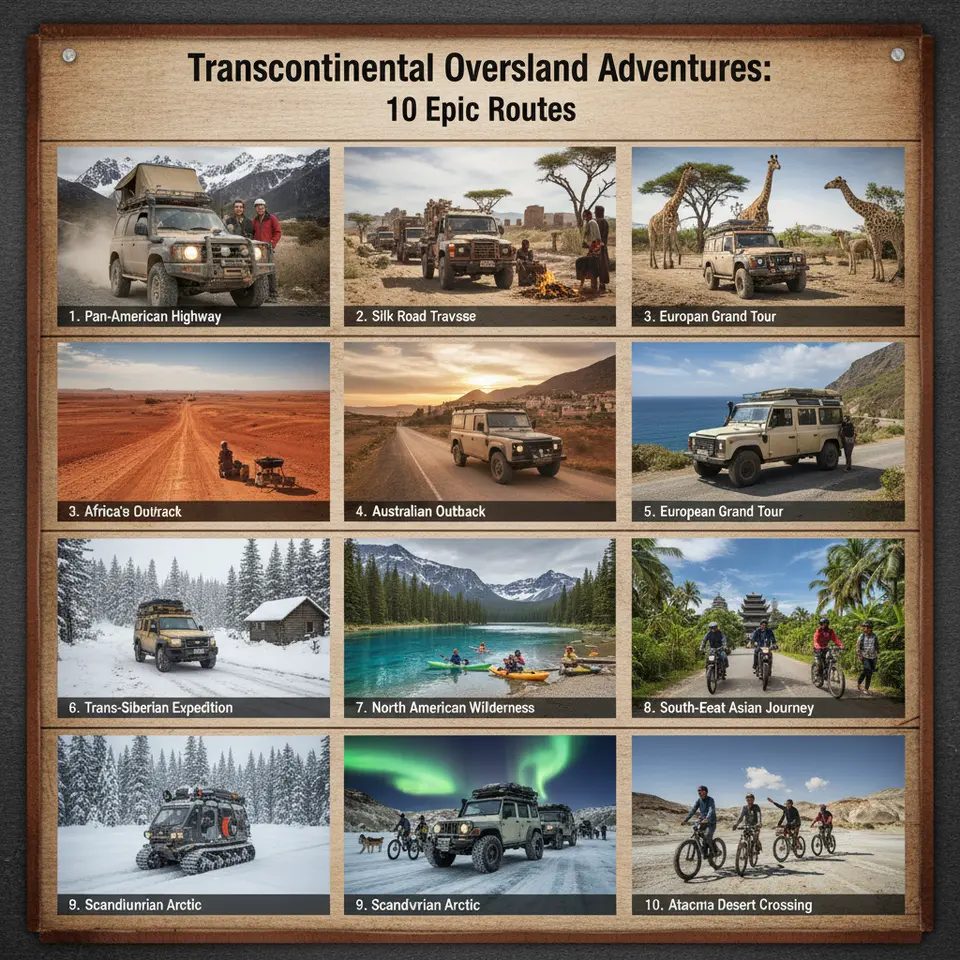
There’s a unique magic in traversing continents by land, where each mile reveals a new landscape, culture and story. In today’s digital landscape, many travelers rush through airports and security checkpoints, missing the subtle beauty found in slow journeys. Overland travel invites us to embrace local life, savor unhurried moments and witness how borders dissolve into deserts, forests and mountain ranges. This year , a growing number of explorers are rediscovering ancient routes and modern corridors that span thousands of miles by train or bus. From the frost-tipped rails of Siberia to the sun-baked highways of East Africa, these adventures offer immersive experiences that no airplane cabin can match.
In this guide, you’ll discover five epic transcontinental overland adventures that connect distant cities, diverse climates and centuries of heritage. We’ll dive into legendary train journeys that wind through continents, as well as daring bus odysseys that cross deserts and jungles. Along the way, you’ll learn route highlights, cultural encounters and practical tips to plan your trip. Whether you’re drawn to the romance of rail travel or the challenge of long-distance bus routes, these immersive expeditions promise memories that linger long after you return home. Prepare to step off the beaten path and experience the world at ground level, mile by mile.
Trans-Siberian Railway: A Continental Marvel
Route and Highlights
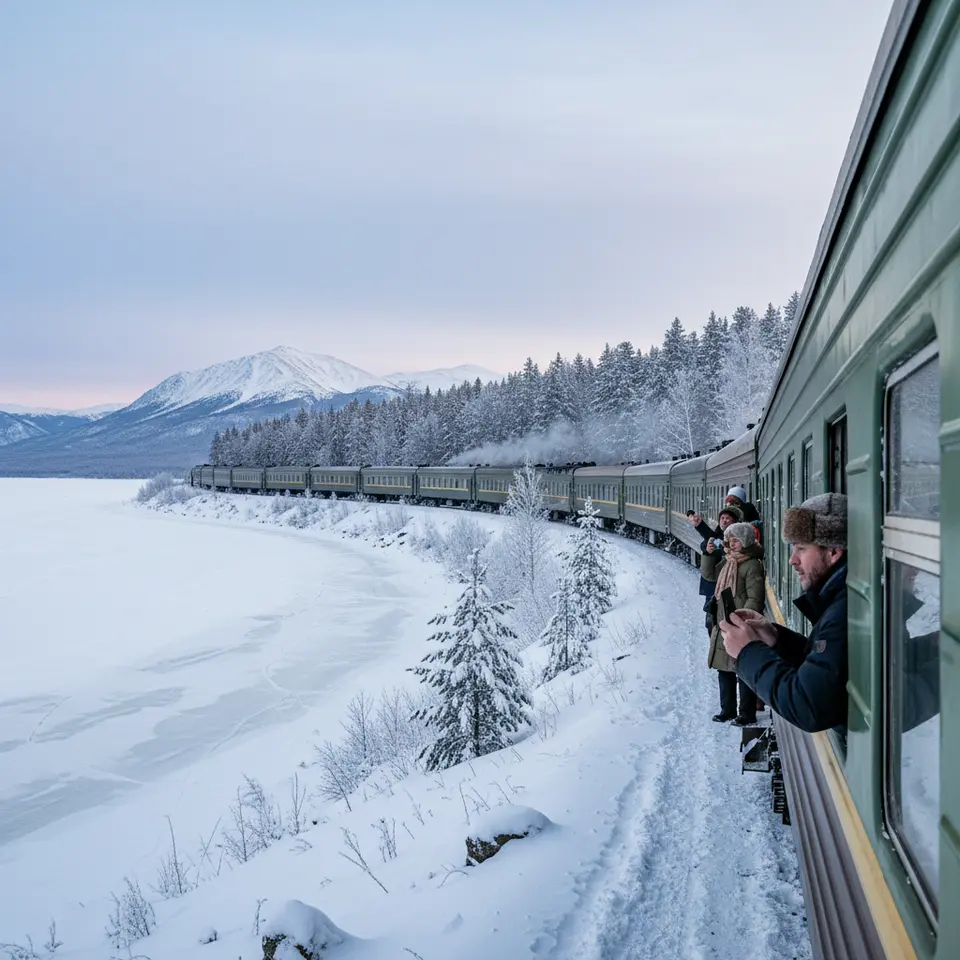
Stretching nearly 6,000 miles from Moscow to Vladivostok, the Trans-Siberian Railway is the world’s longest continuous rail line and an enduring symbol of overland travel. Currently, trains depart daily from Moscow’s Yaroslavsky Station, carrying passengers across eight time zones. Along the way, you’ll pass the Ural Mountains, drift through endless pine forests of the Siberian taiga and skirt the shores of Lake Baikal—Earth’s deepest freshwater lake. Summer brings emerald reflections on the water, while winter transforms the scene into a crystalline expanse of ice.
Cultural Encounters and Dining Cars
Onboard, camaraderie forms quickly as travelers share samovars of tea and hearty bowls of borscht. Stopovers in Yekaterinburg reveal a city rich in Gold Rush history, while Irkutsk charms with its quaint wooden architecture and riverside views. Don’t miss a side trip to Listvyanka on Lake Baikal; the freshwater springs and indigenous fish dishes provide a true taste of Siberian life. Meals prepared in the dining car highlight local produce and traditional recipes, turning every mealtime into a cultural exchange.
Planning Your Journey
Tickets can be booked through the official Russian Railways site, and cabins range from basic platzkart to private two-berth options. Traveling on the Trans-Siberian requires patience and flexibility—trains may run late due to weather or maintenance. Bring layered clothing, snacks and a good book to fill long stretches between major cities. For up-to-date travel advisories, consult resources like UNESCO’s Silk Roads documentation and regional rail guides.
Overland Desert Express: From Cairo to Nairobi
Route Overview
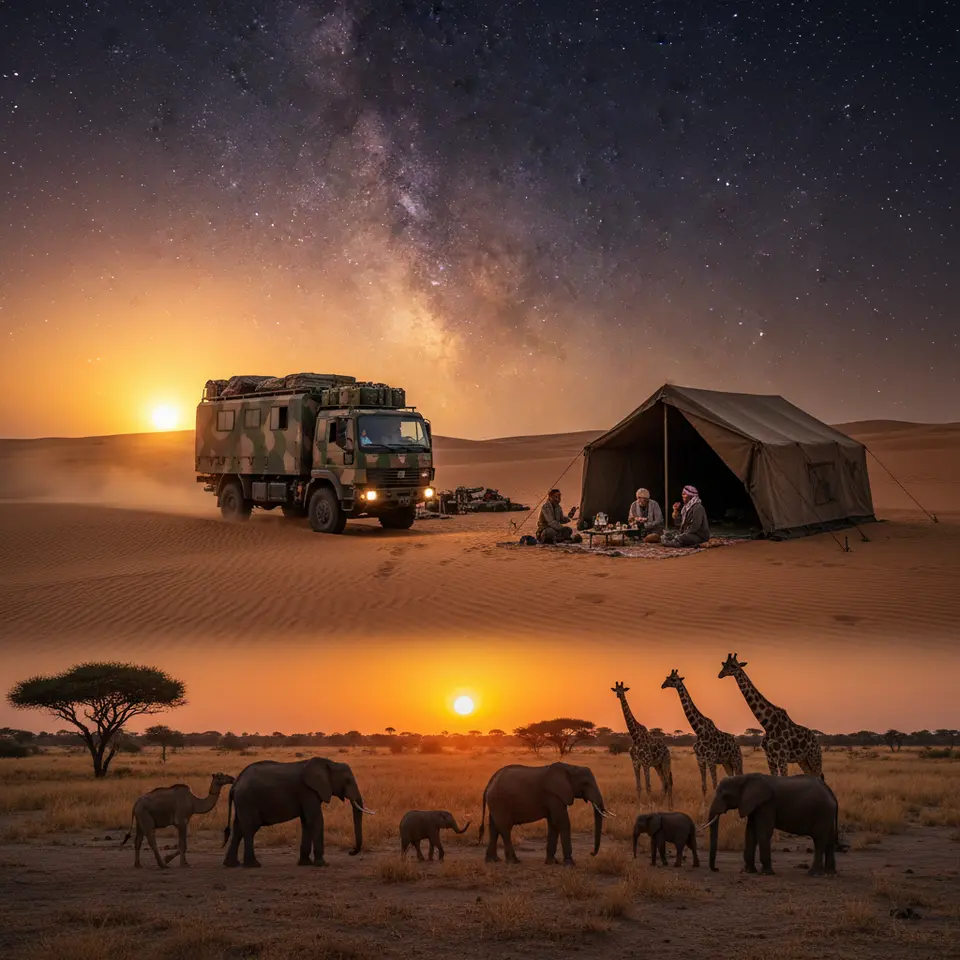
The Overland Desert Express is a daring 4,300-mile bus expedition that threads from Egypt’s ancient capital through Sudan and Ethiopia to Kenya’s wildlife-rich savannahs. Departing Cairo, the journey winds south past the Great Pyramids before moving to Luxor and Aswan—each city a living museum of Pharaonic grandeur. Once you cross into Sudan, the bus traverses the expansive Nubian Desert, offering nights under countless stars at simple desert camps.
Cultural Immersion
Throughout Sudanese villages, travelers often share tea with camel herders and learn about Nubian traditions. Further south, Ethiopia’s highlands bring lush coffee plantations and friendly local guides who explain bean processing rituals that date back centuries. By the time you descend into northern Kenya, the red-earth savannahs come alive with elephants, giraffes and lions, granting front-row seats to one of Africa’s most celebrated ecosystems.
Logistics and Safety
Buses on this route are typically overland trucks equipped with bunks and communal kitchens. While the ride can be dusty and rough, it’s designed for adventure-minded travelers. Visas for Sudan and Ethiopia should be secured in advance, and vaccinations for yellow fever and malaria prophylaxis are recommended. For official guidance, the World Health Organization and your home government’s travel advisories offer the latest health information.
Patagonian Continental Divide Train: Argentina to Chile
Scenic Highlights
Winding through the southern tip of South America, the Patagonian Continental Divide Train stands as one of the most breathtaking examples of Transcontinental Overland Adventures, connecting Argentina and Chile through an unforgettable landscape of raw natural beauty. The journey spans approximately 1,400 miles from Buenos Aires to Punta Arenas, taking travelers far beyond urban life into the heart of Patagonia’s wilderness.
As the train departs Argentina’s capital, it rolls across the endless pampas—vast golden grasslands stretching toward the horizon. Gradually, the scenery shifts as passengers approach the Andes foothills near Bariloche, where emerald lakes, dense forests, and snow-dusted peaks create a dramatic alpine setting. Further along the route, the terrain becomes even more rugged, revealing deep valleys, glacial rivers, and shimmering ice fields that reflect the changing light of the sky. Every window frame becomes a moving postcard of South America’s most iconic landscapes.
Cross-Border Experience
A defining feature of this journey is the seamless cross-border transition between Argentina and Chile. Unlike traditional international travel, immigration procedures are often completed onboard, allowing passengers to continue their journey without major interruptions. This smooth transition enhances the feeling of continuous exploration rather than segmented travel.
Inside the dining car, travelers from different parts of the world share meals, stories, and experiences over traditional dishes like empanadas and rich café con leche. The atmosphere feels warm and communal, often turning strangers into temporary companions. Local staff enrich the experience by sharing folklore about the Mapuche and Tehuelche peoples, adding cultural depth to the journey. In many ways, this shared experience mirrors the emotional connection often highlighted in a Couples Travel Guide, where travel becomes not just about destinations, but about bonding through shared discovery and meaningful moments.
Travel Tips
Planning ahead is essential for fully enjoying the Patagonian Continental Divide Train experience. Seats are often unreserved or semi-flexible, so boarding early ensures better seating options and window views. Travelers should prepare for Patagonia’s famously unpredictable climate by packing layered clothing, thermal wear, waterproof jackets, and sturdy walking shoes.
It is also recommended to carry snacks, refillable water bottles, and entertainment for long scenic stretches between stops. Bilingual conductors are usually available to assist with navigation and provide guidance for optional excursions, such as trekking to the Moreno Glacier or exploring Tierra del Fuego National Park. These side trips offer deeper immersion into Patagonia’s natural wonders and are perfect for travelers who enjoy extended Transcontinental Overland Adventures.
For couples traveling together, this route can also be a deeply romantic experience. Much like ideas found in a Couples Travel Guide, the journey encourages shared awe, quiet reflection, and unforgettable moments against some of the world’s most dramatic backdrops. Whether watching glaciers pass by or enjoying quiet evenings in the dining car, the experience strengthens connection while exploring one of the planet’s most remote regions.
Silk Road Revival: Tracing Ancient Trade
Historical Context
The Silk Road Revival retraces the legendary trade network that connected East Asia to Europe over millennia. Beginning in Xi’an—the cradle of China’s ancient dynasties—travelers board a modern sleeper train to Lanzhou, then switch to overland coaches that cross the deserts of Gansu Province. From Dunhuang’s Buddhist cave temples, the route continues into Central Asia, entering Kazakhstan and eventually reaching the storied cities of Uzbekistan.
Uzbek Splendors
In Samarkand, massive madrasahs and the Registan square reveal dazzling tilework and Persian architectural genius. Bukhara impresses with its intact old town and intricately carved wooden columns, while Khiva’s fortified walls glow golden at dusk. Local bazaars brim with silks, ceramics and aromatic spices—reminders of the route’s mercantile heritage.
Practical Advice
Visas for Central Asia often require pre-approval, so plan several weeks ahead. Trains in China may require a Chinese ID or passport scan during booking, while coaches in Kazakhstan and Uzbekistan are generally more flexible. Pack modest clothing for visits to religious sites, and learn a few basic phrases in Uyghur or Uzbek to connect with locals. For cultural research, UNESCO’s Intangible Cultural Heritage lists many Silk Road traditions still practiced today.
Pan-American Highway: The Ultimate Road Odyssey
Route Complexity
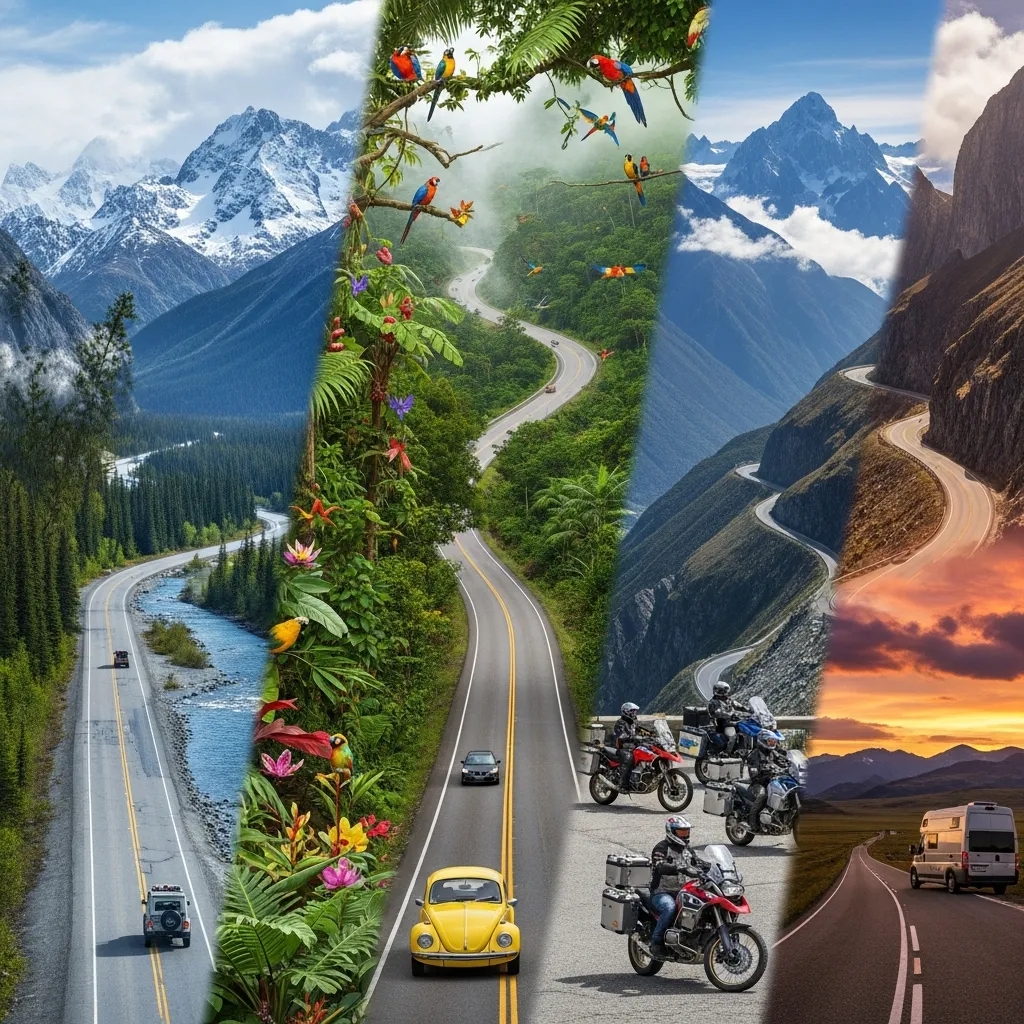
Often celebrated as the world’s longest road network, the Pan-American Highway spans over 19,000 miles from Prudhoe Bay, Alaska, to Ushuaia, Argentina. Rather than a single paved ribbon, it consists of interconnected highways, local roads and ferries. The infamous Darién Gap between Panama and Colombia remains impassable by land, requiring sea or air transit.
Geographic Diversity
Travelers navigate glacial streams in Canada’s Yukon, volcanic landscapes in Mexico’s Sierra Madre and dense jungles of Central America. Crossing into South America, you ascend the Andes in Colombia and Ecuador before descending into the Amazon Basin. Finally, Patagonia’s windswept plateaus lead you to the southernmost town of Ushuaia.
Planning Essentials
Embarking on the Pan-American Highway demands meticulous research: permits, vehicle paperwork, border fees and permits for protected areas. Overlanders often join online communities and forums for tips on road conditions, safe camping spots and medical preparations. In today’s digital landscape, smartphone apps for mapping and offline translation are invaluable. Government travel advisories and local automobile associations can help verify visa requirements and insurance regulations.
Conclusion
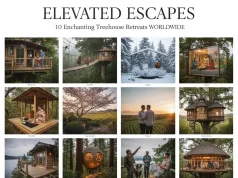
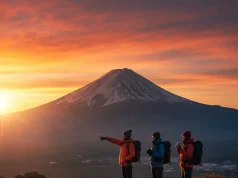
Transcontinental Overland Adventures offer a rare and unforgettable way to experience the world at ground level, where every mile reveals shifting landscapes, cultures, and human connections. From legendary rail journeys to challenging cross-border road trips, these routes transform travel into a slow, immersive story of discovery. Along the way, travelers also seek Elevated Escapes that provide unique perspectives from mountains, cliffs, and high-altitude viewpoints, as well as Spectacular Sunrise Spots Around the World that make early mornings just as memorable as the journey itself. Together, these experiences redefine modern exploration, blending adventure, beauty, and cultural depth into one continuous journey across continents.
FAQs – Transcontinental Overland Adventures
1. What are Transcontinental Overland Adventures?
Transcontinental Overland Adventures are long-distance journeys across multiple countries or continents using trains, buses, or road travel instead of flying.
2. Why are Transcontinental Overland Adventures becoming popular?
They are popular because they offer immersive travel experiences, cultural interaction, and scenic routes that flights cannot provide.
3. What is the main benefit of overland travel?
The main benefit is experiencing gradual transitions in geography, culture, and lifestyle while traveling through real landscapes.
4. Are Transcontinental Overland Adventures safe?
Yes, most routes are safe if travelers research well, follow travel advisories, and prepare for local conditions.
5. What should I pack for Transcontinental Overland Adventures?
Pack layered clothing, travel documents, power banks, basic medicines, snacks, and weather-appropriate gear.
6. How do Elevated Escapes relate to overland travel?
Elevated Escapes such as mountain viewpoints and high-altitude stops often appear along overland routes, offering breathtaking scenic breaks.