In today’s digital landscape, the allure of remote frontiers has never been stronger. Adventure seekers are drawn to the farthest reaches of our planet—true Polar Paradises—where the ice and sea converge in breathtaking displays of nature’s power. Polar expeditions offer unparalleled experiences, from the silent expanse of drifting ice floes to the dazzling dance of auroras across the sky. Whether you’re planning your first Arctic voyage or plotting an ambitious crossing of the Antarctic Ice Shelf, careful preparation and an appreciation for fragile ecosystems are essential.
In this article, we explore a curated selection of epic journeys that blend comfort, thrill, and scientific insight across some of the world’s most captivating Polar Paradises. Each section highlights distinct polar challenges—luxury icebreaker cruises, rugged treks in Greenland, intimate Zodiac safaris in Svalbard, ski traverses across Antarctica, and more—ensuring there’s an expedition to match every taste and skill level. Along the way, we provide expert tips on gear, safety protocols, and sustainable travel practices, drawing on resources from leading institutions like the United Nations Educational, Scientific and Cultural Organization (UNESCO) and the British Antarctic Survey. Ready your parka, sharpen your sense of wonder, and join us as we navigate the ultimate guide to polar expeditions.
Arctic Sea Voyages: Icebreaker Northwest Passage & Svalbard Zodiac Safari
Icebreaker Journey Through the Northwest Passage
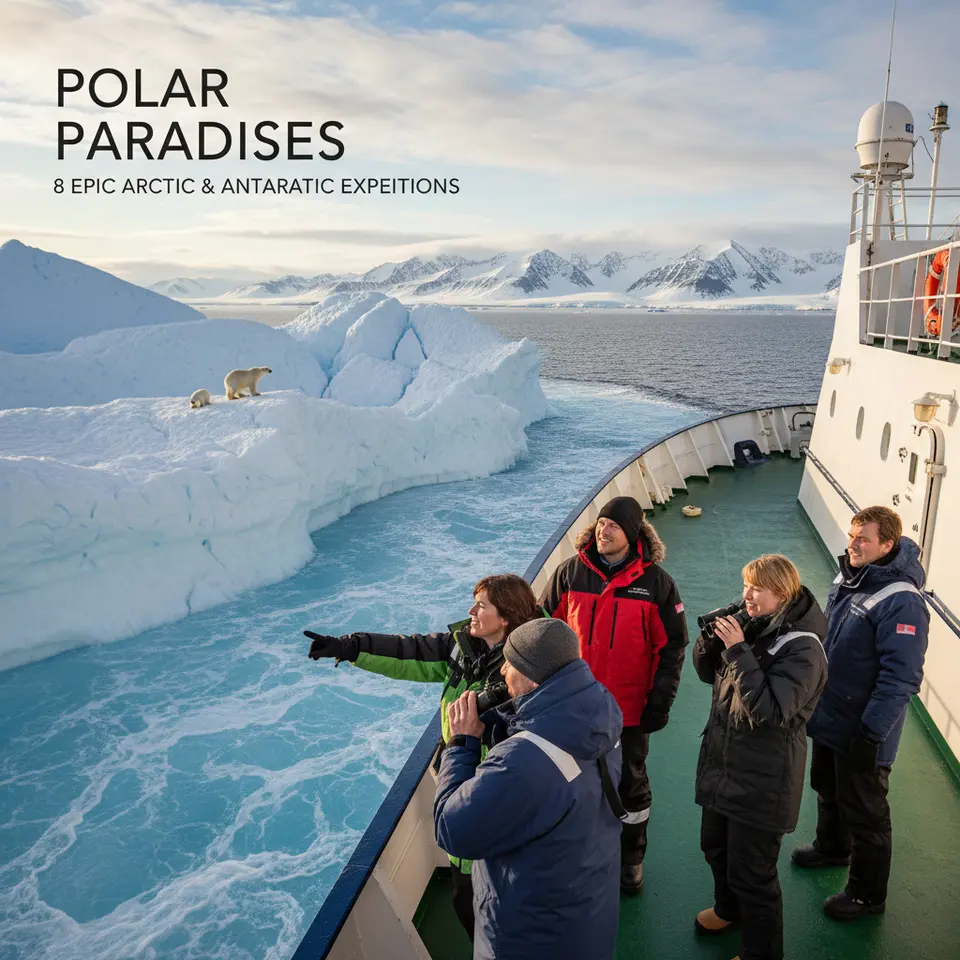
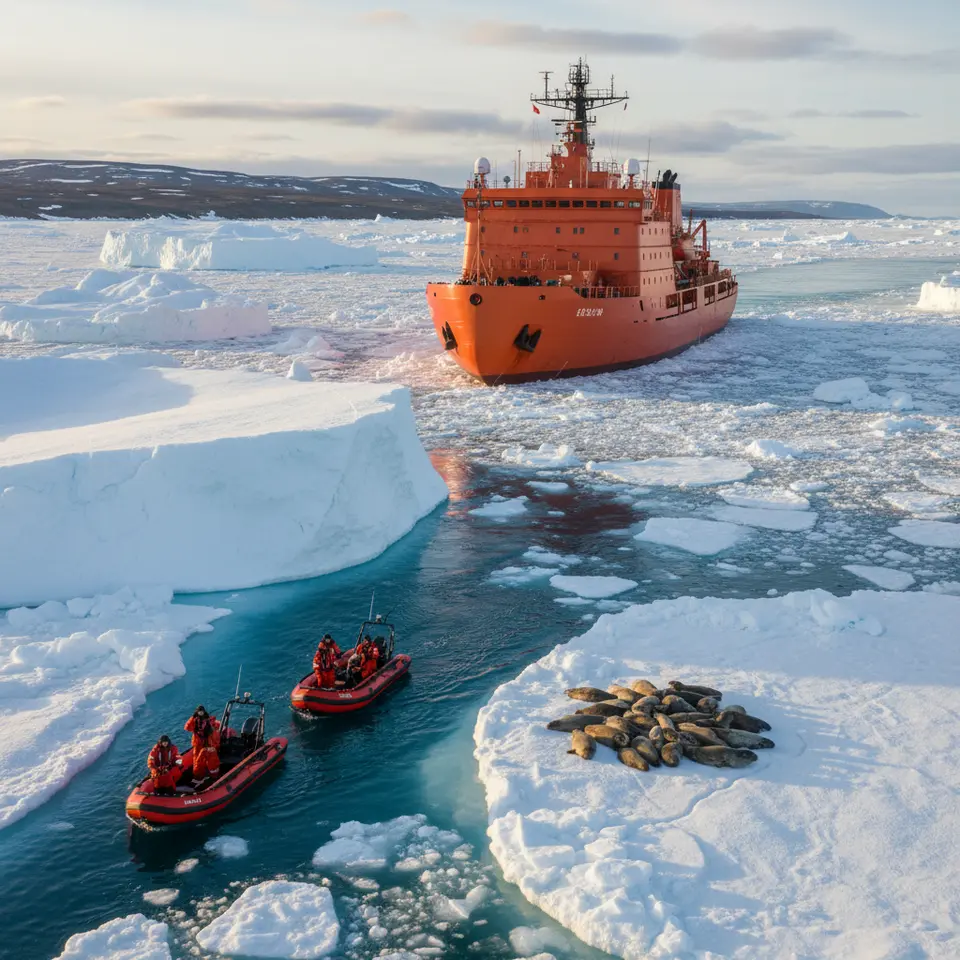
Embarking on an icebreaker cruise through the legendary Northwest Passage ranks among the most iconic polar expeditions. Aboard a reinforced vessel, travelers carve a path through historic sea ice, tracing the routes of explorers like Roald Amundsen. Over approximately 14 days, you’ll navigate narrow channels that connect the Atlantic and the Pacific, passing by immense tabular icebergs and stopping at remote outposts on Baffin Island. Daily lectures on Arctic geology and Inuit heritage enrich the voyage, while expert naturalists guide wildlife searches at dawn—polar bears and narwhal pods often grace these waters.
- Best Time: July to mid-September when sea ice recedes and 24-hour daylight prevails.
- Packing Essentials: Layered thermal wear, insulated parka, polarized sunglasses, and binoculars for wildlife spotting.
- Culture: Onshore visits to Inuit communities offer authentic storytelling and traditional meals.
Svalbard Wildlife Safari by Zodiac
Norway’s Svalbard archipelago presents another classic polar expedition, blending close-up wildlife encounters with rugged scenery. Over 7 days, an expedition yacht equipped with Zodiacs ferries small groups along glacial fjords. Guided by marine biologists, you’ll disembark on gravelly beaches to observe Arctic foxes, Svalbard reindeer, and nesting seabirds. The prime draw, however, is the chance to spot polar bears in their natural habitat. Thrilling kayak excursions among ice floes provide a quiet perspective on calving glaciers and mirror-smooth waters that reflect snow-capped peaks.
- Ideal Season: June to August for midnight sun; April to May for spring snows and polar bear patrols.
- Special Requirements: Sturdy sea boots for Zodiac landings; compliance with environmental guidelines under the Svalbard Treaty.
- Wildlife Protocol: Maintain safe viewing distances and adhere to expert instructions to protect both guests and animals.
Arctic Wilderness Treks: Ilulissat Icefjord & Lapland Dog Sledding
Trekking Greenland’s Icefjord Trails
Ilulissat Icefjord—designated a UNESCO World Heritage Site—anchors a 5-day guided trek across rugged coastal tundra and scenic overlooks. Each morning, you’ll witness the Sermeq Kujalleq glacier calving colossal icebergs into the sea, the sound resonating like distant thunder. Hikes range from gentle coastal paths to challenging ridge climbs, culminating at the Knæk Glacier viewpoint. Evenings are spent in simple lodges, savoring traditional Greenlandic meals and sharing stories with Inuit hosts. Boat excursions among floating icebergs add a layer of adventure, revealing hues of aqua and sapphire seldom seen elsewhere.
For more information on polar ice dynamics and climate, consult the National Snow and Ice Data Center: nsidc.org.
Dog Sledding in Finnish Lapland
Farther east, Finnish Lapland offers a contrasting Arctic trek powered by husky teams. Over 6 days, participants learn mushing techniques from seasoned Sami guides, driving their own sleds across frozen lakes and snow-laden forests. Days involve 20–30 km of trail riding, while nights are spent in glass-roofed igloos or cozy wilderness lodges. As darkness falls, the aurora borealis often ignites the sky, turning each campfire gathering into a spectacle. This immersive dog sledding expedition balances exhilarating travel with intimate cultural exchange, including instruction on sled dog care and traditional Arctic crafts.
- Timing: Late February to early April for stable snow and prime aurora activity.
- Insider Tip: Chemical heat packs keep extremities warm during sub–25°C nights.
- Ethics: Follow the musher’s guidance to ensure sled dog welfare and respect local customs.
Antarctic Adventures on Ski and Kayak
Crossing the Antarctic Ice Shelf on Skis
For experienced explorers seeking a true test of endurance, a ski traverse across the Ross or Weddell Ice Shelf epitomizes extreme polar expeditions. Spanning 14–20 days, teams haul pulk sledges laden with food and equipment, skiing 15–25 km daily across a flat, sparkling expanse that stretches to the horizon. Nights are spent in specially designed tents anchored into the ice, while days bring surreal displays of pastel sunsets reflected off sastrugi ridges. With daylight lasting nearly 20 hours in the Antarctic summer, participants move efficiently yet must remain vigilant against hidden crevasses and sudden weather shifts.
- Peak Season: November to January when temperatures range from –10°C to –30°C.
- Gear Essentials: High-RDS arctic skis, expedition-grade sleeping bag, portable stove, and a satellite communication device.
- Safety Protocols: Crevasse rescue training and radio contact with support vessels are mandatory.
Kayaking the Antarctic Peninsula
In contrast to the silent miles of ice, kayaking around the Antarctic Peninsula offers dynamic wildlife encounters and geological wonders. Over 7 days, small groups paddle through crystal-clear bays, maneuvering among towering glaciers and ice cliffs. Guided landings reveal gentoo and Adelie penguin rookeries, while whale sightings—humpbacks and minkes—are common in calmer waters. Adventurers don wetsuits or drysuits for optional polar plunges, an adrenaline rush that underscores the raw beauty and peril of polar expeditions.
For authoritative research on polar ecosystems, see the British Antarctic Survey: bas.ac.uk.
Aurora Encounters: Flightseeing and Iceberg Camping
Northern Lights Flightseeing Over Arctic Canada
Not every traveler has weeks to spare, yet the aurora borealis remains within reach. Short on time? A 3-hour flightseeing tour from hubs like Yellowknife or Whitehorse elevates guests above cloud cover for panoramic views of dancing green, purple, and pink curtains in the night sky. Onboard, pilots and astronomers provide real-time commentary, explaining geomagnetic activity and optimal viewing conditions based on Kp-index forecasts. With no need to endure frigid ground temperatures, passengers can sip Champagne at altitude under a celestial display. Read for more details : Transcontinental Overland Adventures
Optimal Window: Mid-August to late March; aim for Kp index ≥ 4.
Booking Tip: Choose dates with minimal moonlight to enhance aurora contrast.
Comfort: Heated cabins and large observation windows ensure a cozy vantage point.
Photography Tips for Aurora Flightseeing
For capturing the aurora from above, use a fast wide-angle lens (f/1.8–f/2.8) and increase ISO gradually between 1600–6400 depending on cabin lighting. Stabilize your camera against the window frame or use a compact travel tripod if space allows. Shoot in RAW format to preserve color depth, especially for post-processing the subtle greens and purples of the aurora borealis.
Best Flight Routes and Departure Hubs
Yellowknife is widely considered one of the world’s top aurora capitals due to its clear skies and high geomagnetic activity frequency. Whitehorse also offers excellent visibility with slightly more mountainous scenery below, adding dramatic terrain contrast to your aerial experience. Choosing routes away from major light pollution zones significantly increases your chances of witnessing a vivid display.
Camping on a Floating Iceberg in Antarctica
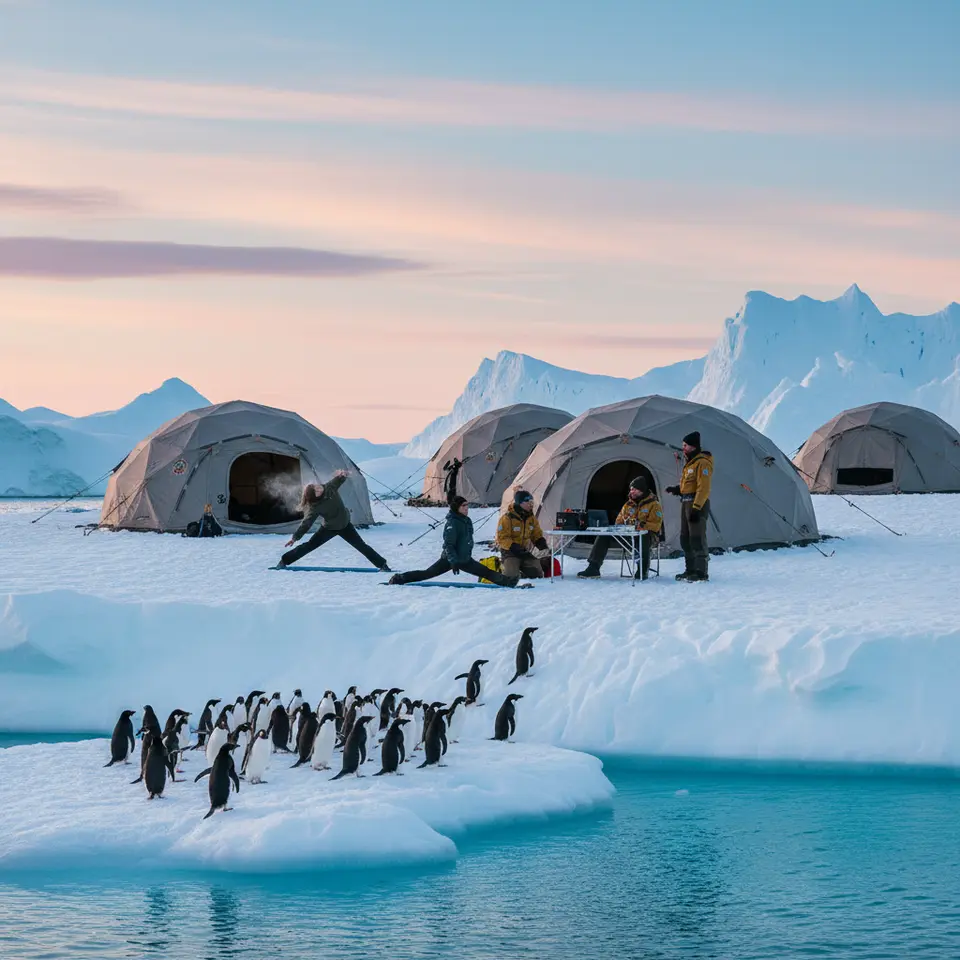
For an exclusive polar expedition, few experiences rival camping atop a stabilized iceberg. Over 2 nights, small groups stay in insulated glamping tents secured to flat iceberg surfaces near research outposts. Mornings begin with yoga under pastel skies and end with science briefings from station staff, shedding light on climate research and ice dynamics. The silence is profound, broken only by the distant crack of shifting ice and the calls of penguins offshore.
Season: December to February for steady ice conditions and extended daylight.
Sustainability: Operators must follow IAATO guidelines—use biodegradable toiletries and carry out all waste.
Gear: Arctic-rated sleeping bag, insulated mat, and windproof outer layers are essential.
Environmental Science and Research Access
Many iceberg camping experiences are linked with active scientific stations, allowing travelers to engage with ongoing climate research. Visitors may observe how scientists track ice drift, measure salinity levels, and monitor Antarctic ecosystems. This direct exposure to research activities makes the experience not only adventurous but also educational, deepening awareness of climate change impacts in Polar Regions.
Essential Preparation: Gear, Safety, and Sustainability for Polar Paradises
Technical Equipment and Clothing
Success on any polar expedition hinges on meticulous gear selection. Layering systems—including moisture-wicking base layers, insulating mid-layers, and windproof outer shells—are nonnegotiable. Arctic-rated parkas with down fill, waterproof snow pants, and insulated boots keep frostbite at bay. For specialty activities, bring expedition skis and pulk sledges for ice crossings, drysuits for kayaking, and thermal mittens for dog sledding. Don’t forget a reliable satellite communicator and emergency beacon; in today’s remote environments, prompt rescue capabilities can save lives.
Environmental Stewardship and Best Practices
Responsible travel in vulnerable polar regions demands more than respect; it requires active care. Choose IAATO- or AECO-affiliated operators who adhere to strict wildlife viewing distances and waste management protocols. Limit group sizes to reduce ecological impact, carry out all garbage, and avoid single-use plastics. Prioritize reusable containers and eco-friendly toiletries. Before departure, review environmental guidelines from authoritative bodies like the United Nations Environment Programme (UNEP) to ensure your expedition leaves no lasting footprint.