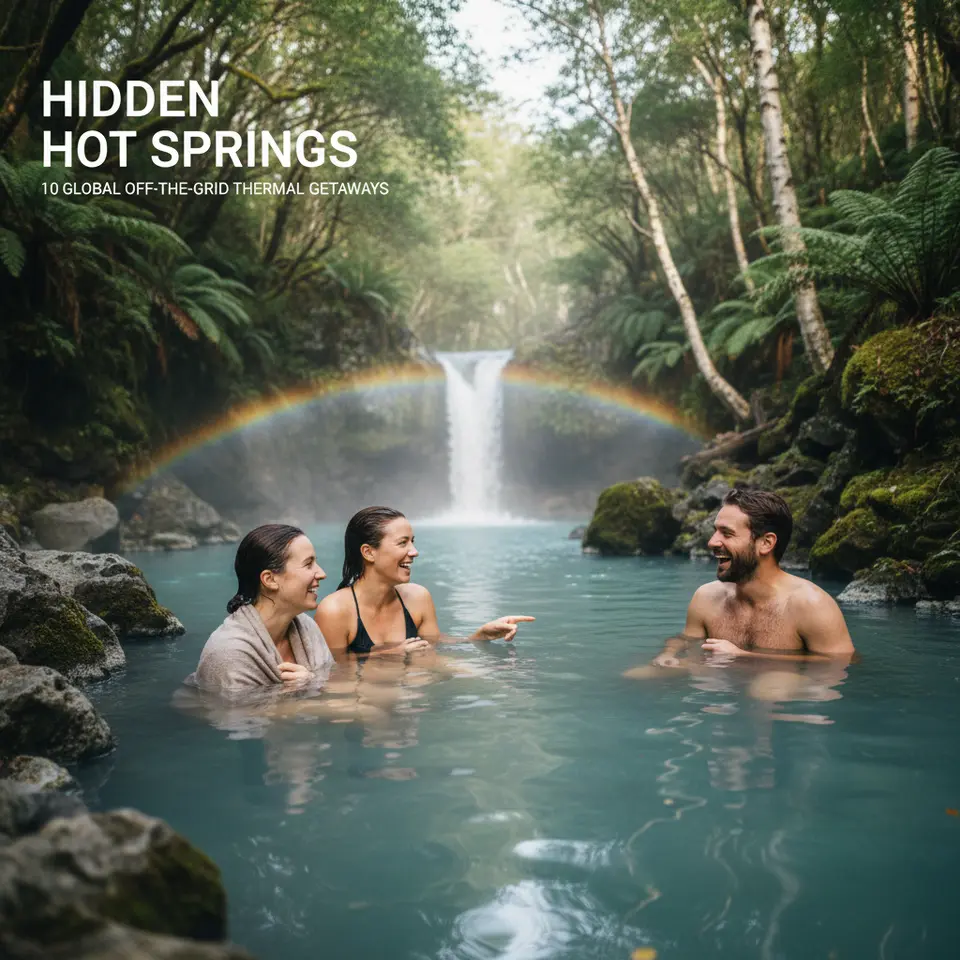
In today’s fast-paced world, finding moments of tranquility can feel like an elusive dream. For adventurous travelers, discovering hidden hot springs offers the perfect antidote to stress and overcrowded tourist hubs. These remote geothermal sanctuaries, tucked away in verdant jungles, rugged mountain ranges, and stark desert landscapes, deliver a unique combination of natural beauty, wellness benefits, and cultural immersion. In this guide, we journey through five carefully curated regions, each hosting two of the most captivating off-the-grid thermal retreats on the planet. Along the way, you’ll learn about the geological wonders that create these thermal miracles—and gain practical tips for planning a successful visit.
From Japan’s misty cedar forests to Chile’s Andean canyons, and from Turkey’s ivory travertine ledges to Mexico’s lava-born grottoes, each destination showcases nature’s raw power and ancient healing traditions. By weaving in insights from authorities like the US Geological Survey and global heritage perspectives from UNESCO, this article equips you with the knowledge to venture off the beaten path responsibly. Whether you seek the gentle caress of sulfur-rich waters for skin rejuvenation or the exhilaration of a midnight soak beneath dancing auroras, these hidden hot springs promise an authentic escape that resonates with your inner wanderer. So pack your eco-friendly swimwear, lace up your hiking boots, and let’s explore some of the world’s most enchanting thermal havens this year .
Umei Hot Spring (Japan) and Termas Geométricas (Chile)
Among the most serene hidden hot springs, Umei Hot Spring on Japan’s Satsuma Peninsula stands out for its milky-blue onsen waters and Zen-like ambiance. Nestled in a grove of ancient cedar trees, the bath’s high calcium and sulfur content is linked to joint relief and skin revitalization. Each rustic wooden tub overlooks a mist-cloaked valley, creating a sanctuary of stillness at dawn. To reach Umei, travelers board a two-hour bus from Kagoshima, then follow a narrow trail that opens into a clearing of steaming pools. In today’s busy travel market, this intimate setting feels like stepping back in time, where natural materials and minimal infrastructure preserve the onsen’s authenticity.
Location and Access
The spring sits approximately 45 kilometers from Kagoshima, accessible by public bus services that run daily. From the trailhead, a 30-minute walk brings you to a small wooden lodge offering tea and light snacks. Simple changing areas mean you’ll share space with locals, deepening the cultural exchange.
Visiting Conditions and Tips
Spring and autumn present the most moderate temperatures, while seasonal foliage adds bursts of color. Always rinse off before entering, and observe quiet respectfully. Onsen etiquette guides from the Japan National Tourist Office can help you navigate local customs.
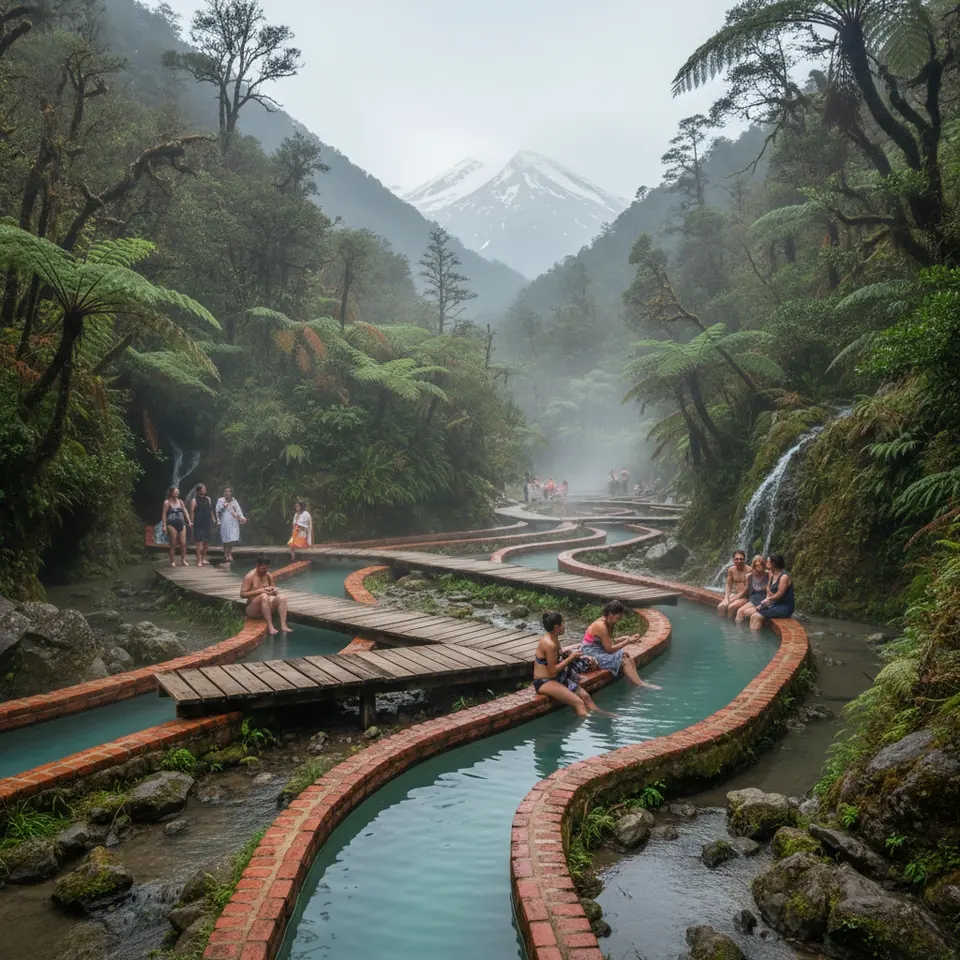
Half a world away, hidden within a lush canyon near Pucon, Chile’s Termas Geométricas unfolds as a network of narrow brick-lined pools connected by wooden catwalks. Water temperatures range from 35°C to 55°C, perfect for post-volcano-trek recovery. Surrounded by cascading streams and dense temperate rainforest, the site blends adventure with relaxation in equal measure.
Guided Access and Best Season
A guided transfer from Pucon ensures you can navigate the remote dirt roads safely. Once you arrive, a gentle downhill hike leads into a thermal corridor that feels alive with mist and waterfall echoes. Visit during the Southern Hemisphere winter (June–August) to soak in steaming waters against a snowy Andean backdrop—an unforgettable contrast of fire and ice.
Pamukkale’s Hidden Terraces (Turkey) and La Gruta (Mexico)
Pamukkale’s gleaming white travertine terraces are world-famous, yet upstream lies a cluster of lesser-known hot springs where you can enjoy thermal bathing away from the crowds. Here, natural limestone shelves form shallow pools that fill with warm, mineral-rich water. Early morning visits reward you with pastel skies reflecting off ethereal steam clouds. Local guides often recommend a soft-bristled brush foot bath to gently exfoliate as you soak—an intimate way to connect with the site’s millennia-old geological legacy.
How to Get There
Denizli serves as the closest urban hub, from which travelers arrange a short drive and a walk along the plateau’s rim. Morning hikes are cooler and quieter, offering expansive views over Pamukkale proper.
Optimal Timing
Dawn and dusk visits help you avoid midday heat and intensifying tourist numbers. Bring water shoes and sun protection, as the terrace surfaces can become slippery and bright.
In central Mexico, La Gruta near Teotihuacán invites visitors into a cavernous lava tube where stalactites hang over a warm pool illuminated by torches. This subterranean refuge preserves cooler ambient temperatures above the bath, so the water’s heat feels all the more comforting. Acoustic echoes of dripping mineral deposits add to the mystical aura, while local folklore ties the grotto to ancient purification rituals.
Getting Underground
A short drive from Mexico City leads to the grotto’s entrance, where stone steps descend into the earth. Small locker rooms and showers at the top ensure you can change in privacy before embarking on your thermal pilgrimage.
Evening Ambiance
After sunset, flickering torchlight dances on water and rock, enhancing the grotto’s otherworldly charm. This hypnotic glow makes La Gruta an ideal destination for couples seeking a romantic off-the-grid experience.
Secret Lagoon (Iceland) and Banjar Hot Springs (Bali)
Iceland’s Secret Lagoon in Flúðir stands as one of the nation’s few uncommercialized geothermal pools, offering an authentic atmosphere far removed from the busy Blue Lagoon. Surrounded by natural steam vents and bubbling mud pits, the site preserves a rustic vibe with wooden structures, a turf-roof café, and basic changing huts. The mineral-rich water hovers around 38°C, nourishing both the body and spirit under vast Arctic skies. For travelers looking to explore more unique escape experiences, you can also discover this guide on elevated retreats: Ultimate Guide to Luxury Treehouse Retreats
Driving Directions
A 90-minute drive from Reykjavik along Route 35 leads you through lava fields and pastoral landscapes. Ample parking and self-service facilities let you tailor your visit to sunrise, sunset, or even a midnight sun soak this year .
Seasonal Highlights
Summer brings nearly 24-hour daylight, while winter visits can coincide with golden hues and the Northern Lights. Pack layers and waterproof gear to stay comfortable in ever-shifting Icelandic weather.
Thousands of miles away in Bali’s northern hills, Banjar Hot Springs unfolds as a series of stone baths fed by natural sulfurous springs. Towering coconut palms and dense tropical ferns create a cathedral-like canopy overhead. The warm water—rich in natural minerals—flows through multiple interconnected basins, each slightly cooler than the last, allowing you to drift through varied temperature zones.
Reaching the Springs
A scenic drive from Lovina takes you past rice terraces and coffee plantations. At the site, a garden path lined with volcanic pebbles guides you to multiple terraced pools.If you want more new experiences, keep reading for more A Hidden Travel Gem Guide
Best Time to Visit
Early mornings offer solitude and the melodic soundtrack of cicadas. As midday heat intensifies, expect a gentle breeze that keeps the experience deeply restorative.
Chena Hot Springs (Alaska) and Saline Valley Warm Springs (California)
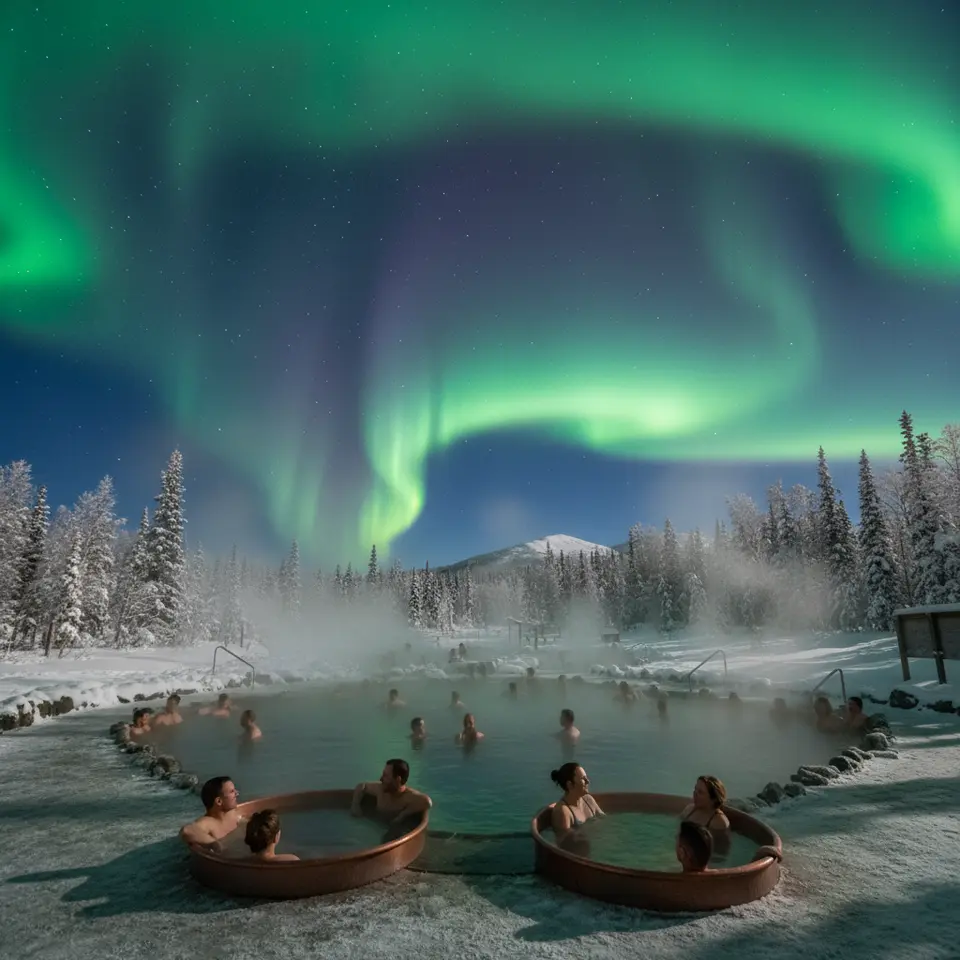
Deep within Alaska’s boreal forest, the Chena Hot Springs Resort provides a unique marriage of comfort and wilderness. Its geothermal pools range from intimate copper baths to large open-air lagoons. During late fall through early spring, the resort becomes a prime location for Aurora Borealis viewing. Soaking in mineral-laden water beneath shimmering curtains of green and violet light embodies the essence of an off-the-grid adventure.
Accessibility
A paved highway from Fairbanks delivers you to the resort’s entrance. Onsite lodging, guided tours, and educational geothermal exhibits connect you with the science behind the springs as documented by the Alaska Division of Geological & Geophysical Surveys.
Optimal Viewing Window
While the thermal comfort lasts year-round, late-night soaks between October and March maximize Aurora visibility. Dress in layers for pre- and post-soak temperatures.
In stark contrast, California’s Saline Valley Warm Springs sit at the heart of Death Valley’s rugged expanse. Accessible only by high-clearance 4×4 vehicles, these primitive tubs invite only the most intrepid wanderers. Wind-swept desert vistas stretch to the horizon, and night skies alive with stars offer an unforgettable backdrop to your soak.
Preparation and Safety
Before departure, check road conditions with the National Park Service. Pack extra water, food, and emergency supplies. Spring and fall provide the most moderate desert temperatures.
Leave No Trace
No facilities or lifeguards exist here. Practice responsible travel by packing out all trash and respecting fragile desert ecosystems.
Ohaaki Hot Springs (New Zealand) and Balneario Termas de la Virgen (Ecuador)
On New Zealand’s North Island, Ohaaki Hot Springs emerge from geothermal vents, filling shallow communal pools framed by native shrubs and polished river stones. Steeped in Māori heritage, the site retains cultural significance that predates modern tourism. Today, visitors can honor traditional customs by following posted guidelines and supporting local caretakers.
Getting There
A short drive from Taupo along State Highway 1 leads to a gravel turnoff marked by carved tōtara posts. Year-round visits are possible, with spring blooms adding an extra layer of vibrancy to the surrounding bush.
Cultural Considerations
Informational panels outline the spiritual importance of Ohaaki. Respect for sacred sites ensures the community can continue sharing these thermal wonders sustainably.
High in Ecuador’s Andean foothills at the base of the Tungurahua volcano, Balneario Termas de la Virgen offers dynamic mountain vistas alongside therapeutic sulfur pools. Local food stalls serve hearty Andean specialties, completing an immersive village-style retreat. Dry season visits (June–September) boast clear skies and comfortable hiking conditions, making outdoor exploration doubly rewarding. Read for more details : Polar Paradises
Travel Logistics
Frequent buses and rental cars from Baños de Agua Santa deliver you to the springs. Rustic changing cabins ensure privacy, and entrance fees support local conservation efforts.
Health and Safety
Due to elevated sulfur levels, limit soaks to 15–20 minutes. Stay hydrated and follow posted signage regarding water temperature and depth.