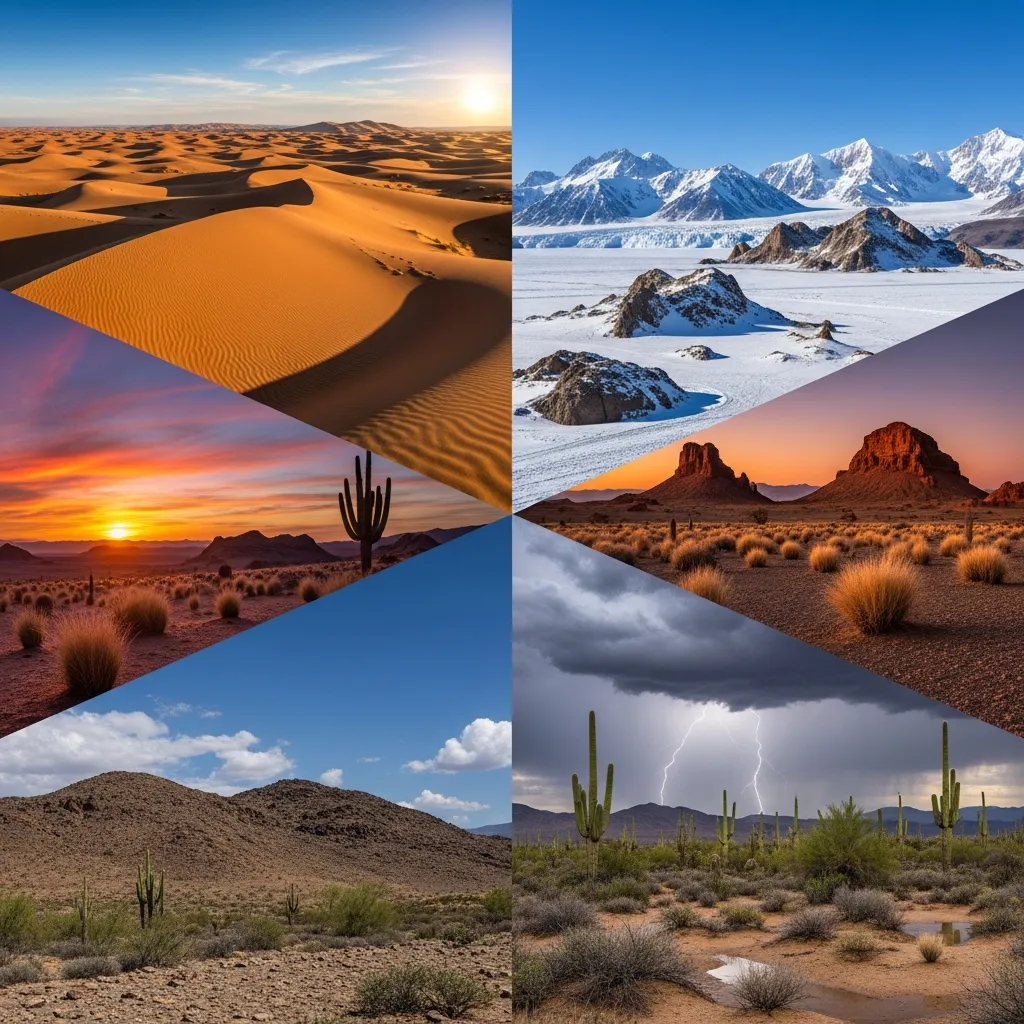
When people think of arid landscapes, they often picture barren, lifeless stretches of sand baking under a relentless sun. They imagine places devoid of color, movement, or any real visual appeal. This common perception fails to capture the true essence of these dynamic ecosystems. Far from being empty voids, these regions host a staggering variety of geological wonders, unique ecosystems, and breathtaking vistas.
By looking closer, you will discover that the most beautiful deserts on earth are actually vibrant canvases shaped by wind, water, and time. From towering red dunes that meet crashing ocean waves to vast salt flats reflecting starry night skies, arid lands offer some of the most spectacular scenery our planet has to offer. They hold ancient secrets, preserve incredible fossils, and sustain resilient communities that have thrived in extreme conditions for centuries.
Exploring the most beautiful deserts on earth means witnessing the raw, unyielding power of nature. It involves watching shadows dance across sand seas, observing rare wildflower superblooms, and experiencing a profound silence that is hard to find anywhere else. Let us explore the diverse landscapes that make up the most beautiful deserts on earth and uncover the unique charm that each one holds.
The Sahara Desert, Africa: A Sea of Sand and Stars
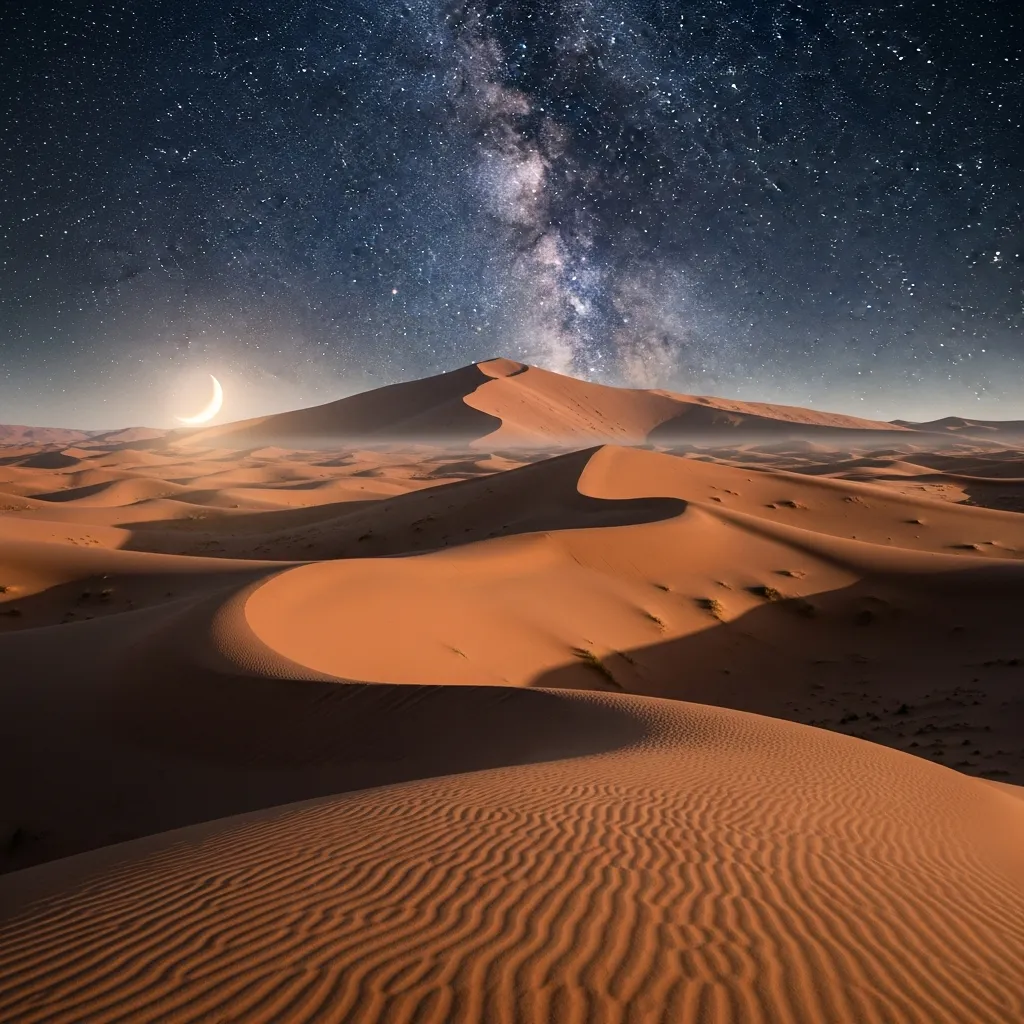
The Sahara is perhaps the most famous arid region globally, and it easily ranks among the most beautiful deserts on earth. Covering much of North Africa, it is a vast ocean of sand characterized by iconic dunes that constantly shift and change shape with the wind. These massive sand formations, known as ergs, create a mesmerizing, undulating landscape that seems to stretch on infinitely.
Beyond the sweeping sand dunes, the Sahara features unique geological formations, rocky plateaus, and surprisingly lush oases that break up the dry terrain. These hidden pockets of water support vital plant life and serve as crucial havens for wildlife and human travelers alike. The Sahara’s historical context is rich, serving as a crossroads for ancient trade routes and nomadic cultures that have masterfully adapted to the harsh environment.
Wildlife in the Sahara showcases incredible evolutionary adaptations. Creatures like the fennec fox and the dromedary camel have developed specialized traits to survive extreme heat and scarce water. When you witness the sun setting over the endless dunes, casting fiery hues across the sky, it becomes entirely clear why the Sahara is celebrated as one of the most beautiful deserts on earth.
Atacama Desert, Chile: The Driest Place on Earth, Yet Full of Life
Located in northern Chile, the Atacama is famous for being the driest non-polar region globally. Despite this extreme aridity, the landscape is profoundly captivating, firmly securing its position among the most beautiful deserts on earth. The lack of rainfall has preserved the terrain in a pristine state, creating surreal landscapes that closely resemble the surface of Mars.
Visitors to the Atacama are greeted by lunar valleys, expansive salt flats, and jagged rock formations that defy logic. Because the air is completely devoid of moisture and light pollution is practically nonexistent, the Atacama features incredibly clear night skies. This makes it a premier destination for high-altitude astronomical observatories and stargazers wanting an unobstructed view of the cosmos.
Surprisingly, this harsh environment supports unique flora and fauna. Certain areas experience rare rainfall that triggers a phenomenon known as the “desert bloom,” transforming the arid ground into a vibrant carpet of flowers. The stark contrast between the dry, rugged terrain and the sudden bursts of life makes the Atacama one of the most beautiful deserts on earth.
Gobi Desert, Central Asia: A Land of Contrasts and History
Stretching across northern China and southern Mongolia, the Gobi Desert is a remarkable land of contrasts. Unlike the sandy expanses of the Sahara, the Gobi is largely a cold desert, featuring a diverse terrain that includes bare rock, massive mountains, and sweeping steppes. This variety creates a breathtaking visual mosaic that makes it one of the most beautiful deserts on earth.
The Gobi is renowned for its incredible paleontological discoveries. The Flaming Cliffs have yielded some of the world’s most significant dinosaur fossils, including the first discovery of dinosaur eggs. Historically, this region was a vital segment of the ancient Silk Road, facilitating trade and cultural exchange across continents.
Nomadic cultures continue to thrive here, demonstrating remarkable resilience against extreme temperature variations that range from scorching summers to freezing winters. The dramatic landscapes, rich history, and enduring human spirit combine to reinforce the Gobi’s status as one of the most beautiful deserts on earth.
Namib Desert, Namibia: Where Dunes Meet the Ocean
The Namib Desert in southern Africa offers a visual spectacle unlike any other. It is an ancient landscape, considered by some geologists to be the oldest desert in the world. The striking visual appeal of the Namib easily places it among the most beautiful deserts on earth, primarily due to the stunning contrast of its environments.
At Sossusvlei, towering red sand dunes rise dramatically against bright blue skies. Nearby, Deadvlei features a stark white clay pan dotted with dark, centuries-old dead camel thorn trees, creating a hauntingly beautiful scene beloved by photographers. Along the Skeleton Coast, the arid desert dunes crash directly into the cold, turbulent waters of the Atlantic Ocean, a coastline littered with the eerie remains of shipwrecks.
The Namib also hosts unique ecosystems entirely dependent on coastal fog for moisture. Plants like the welwitschia and various specialized beetles have adapted to harvest water from the morning mist. This delicate balance of life, combined with its ancient geological history, makes the Namib a standout among the most beautiful deserts on earth.
Wadi Rum, Jordan: The Valley of the Moon
Wadi Rum in Jordan is a landscape of dramatic sandstone mountains and natural rock arches. Often referred to as the Valley of the Moon, its towering cliffs and red sands create an otherworldly environment. This striking resemblance to Mars has made it a popular filming location for numerous science fiction movies, but its real-life majesty solidifies its place among the most beautiful deserts on earth.
The Bedouin people have inhabited Wadi Rum for generations, maintaining a deep cultural connection to the land. Their traditions and hospitality are an integral part of the region’s charm. As you explore the towering canyons, you can find ancient rock art and inscriptions carved into the stone by ancient civilizations.
The combination of monumental geological formations, rich human history, and vibrant, shifting colors at dawn and dusk perfectly underscores Wadi Rum’s inclusion as one of the most beautiful deserts on earth.
Anza-Borrego Desert State Park, USA: A Tapestry of Wildflowers
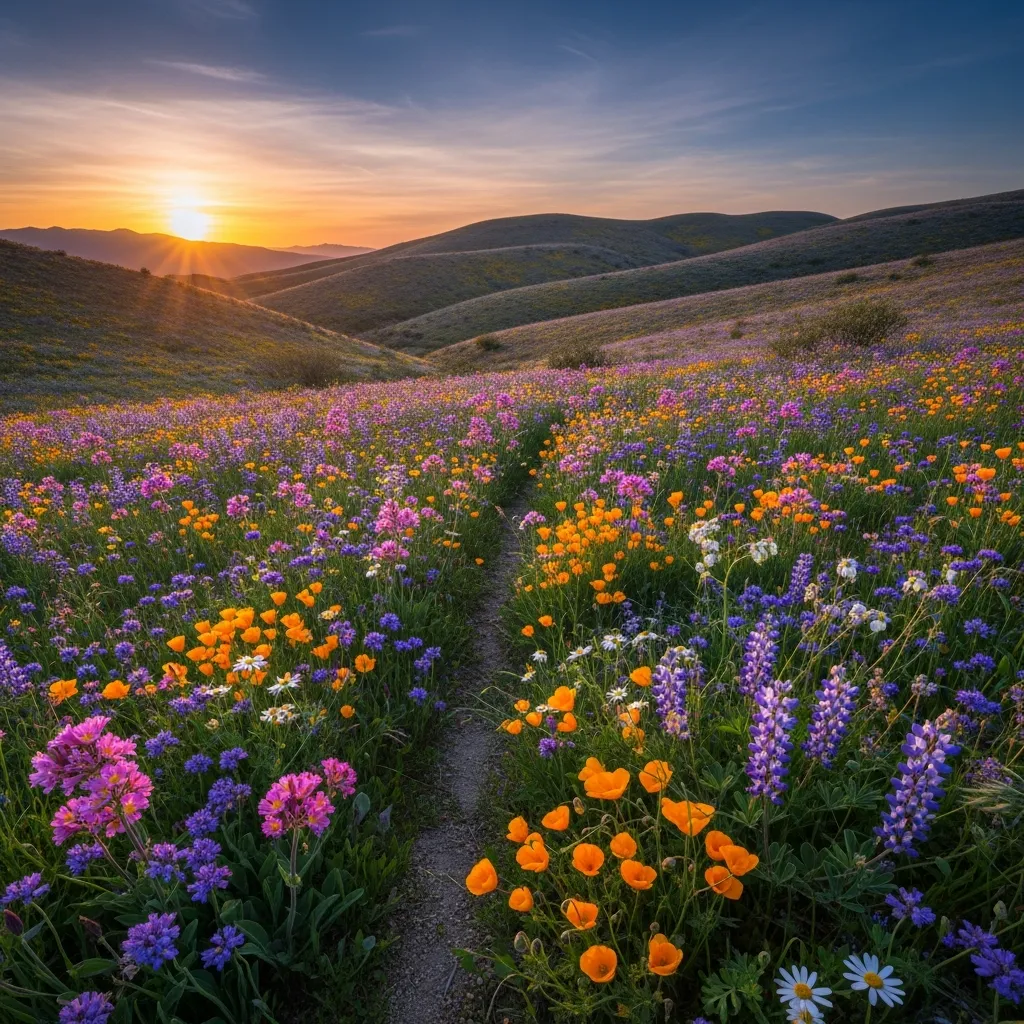
Located in Southern California, Anza-Borrego Desert State Park offers a different kind of arid beauty. While it features classic badlands and winding slot canyons, it is most famous for its seasonal wildflower superblooms. Under the right conditions, the barren ground erupts into a spectacular tapestry of vibrant colors.
These superblooms transform the landscape, drawing visitors from all over the world to witness the sudden explosion of life. Beyond the flowers, the park contains hidden palm oases that provide critical water sources for unique desert wildlife, including the elusive bighorn sheep.
The juxtaposition of rugged, sun-baked badlands with lush, spring-fed palm groves provides a unique aesthetic. This contrasting beauty sets Anza-Borrego apart from other arid regions, making it a proud member of the most beautiful deserts on earth.
The Painted Desert, USA: A Canvas of Colors
Stretching across northern Arizona, the Painted Desert is a geological masterpiece. It is characterized by its vibrant layers of rock, which display incredible hues of red, orange, purple, and gray. These colors are the result of mineral deposits and erosion over millions of years, creating an environment that looks exactly like a carefully painted canvas.
The area is also rich in paleontological history, encompassing parts of the Petrified Forest National Park where massive fossilized logs lay scattered across the colorful ground. The erosion-sculpted formations, such as mesas and buttes, catch the sunlight in ways that constantly shift the landscape’s visual tone.
The sheer vibrancy of the rock layers provides a completely different experience compared to sandy dunes. This incredible array of colors contributes massively to its overall beauty, cementing the Painted Desert’s reputation as one of the most beautiful deserts on earth.
Beyond the Sand: The Unexpected Allure of Desert Oases and Water Features
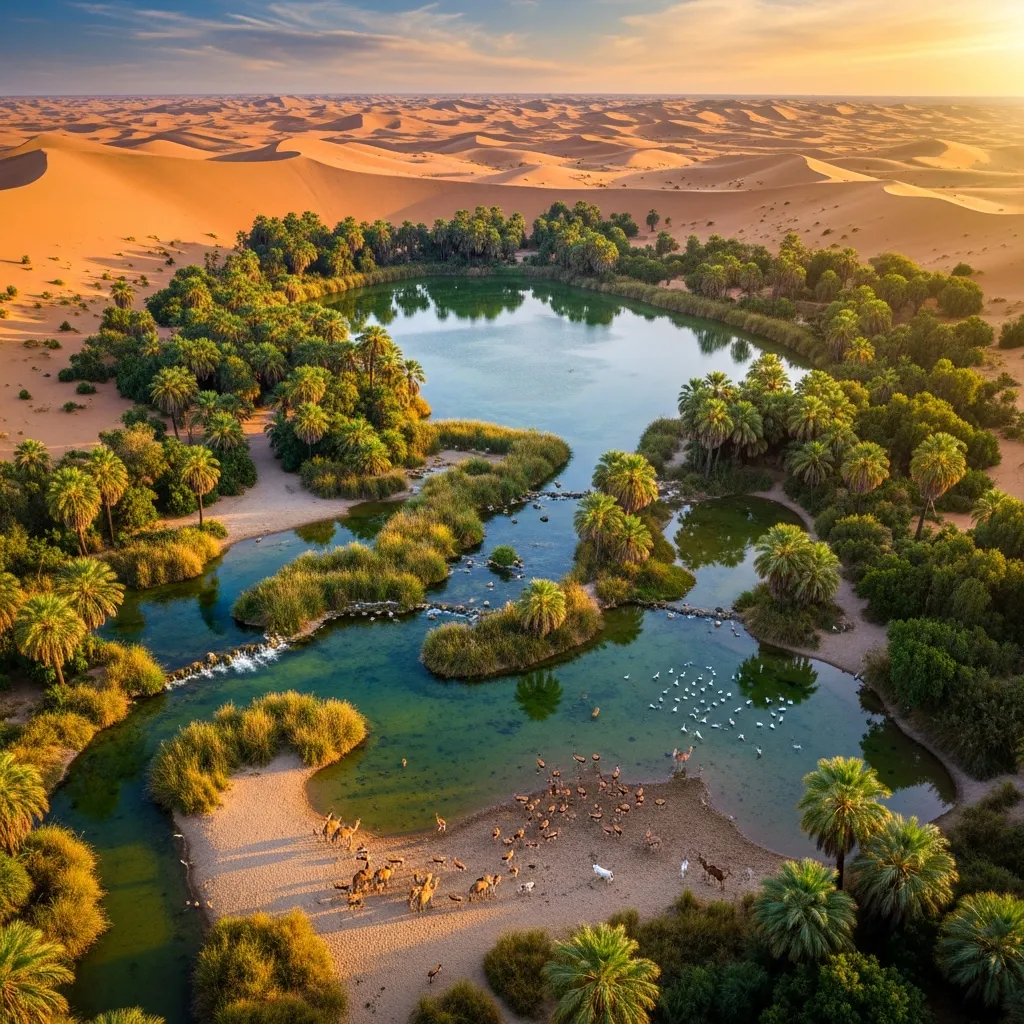
Water is the most precious resource in an arid climate, and its rare presence creates scenes of unexpected, stunning beauty. Desert oases and ephemeral water features enhance the overall landscape, providing sharp contrasts to the dry surroundings.
In some arid regions, you might stumble upon bodies of water that rival the most beautiful lakes in the world. Consider the striking saline waters of Lake Assal in Djibouti or the temporary, mirror-like lakes that briefly form in Death Valley after a heavy rain. These water features reflect the sky and the surrounding rock formations, multiplying the visual impact of the environment.
The presence of water not only supports localized bursts of vibrant plant and animal life but also adds a layer of tranquility. These watery havens enhance the overall landscape, adding another reason why these regions are considered the most beautiful deserts on earth.
A Glimpse into Desert Marvels
The most beautiful deserts on earth offer an incredible array of diverse landscapes. From the endless, shifting dunes of the Sahara and the haunting, fog-swept shores of the Namib to the vibrant geological layers of the Painted Desert and the floral superblooms of Anza-Borrego, these regions are full of life and color. They challenge the misconception of arid lands as barren wastes, showcasing instead the resilient ecosystems, rich histories, and stunning visual contrasts that make the most beautiful deserts on earth true natural marvels.
Planning Your Desert Adventure
Exploring the most beautiful deserts on earth requires careful planning and a deep respect for nature’s extremes. Because these environments are delicate and potentially dangerous, visitors must prioritize safety by carrying ample water, traveling with experienced guides, and respecting local regulations.
Whether you want to stargaze in the Atacama, hike the dunes of the Namib, or search for fossils in the Gobi, start by researching the specific seasonal conditions of your chosen destination. Pack accordingly, tread lightly, and prepare to be amazed by the unexpected vibrancy and profound silence of the most beautiful deserts on earth.
Frequently Asked Questions About Desert Landscapes
1. What makes a landscape a desert?
A desert is defined primarily by its low precipitation levels, typically receiving less than 10 inches (250 mm) of rain per year. It is a region where more water is lost through evaporation than falls as precipitation.
2. Are all deserts hot?
No, there are cold deserts as well. The Gobi Desert in Asia and the Antarctic Desert are prime examples of arid regions that experience freezing temperatures for much of the year.
3. Which is the largest desert in the world?
The Antarctic Desert is the largest in the world. However, the Sahara is the largest hot desert globally.
4. Why are the most beautiful deserts on earth important?
They are crucial ecosystems that host highly specialized plants and animals. They also contain valuable minerals, preserve vital archaeological and paleontological sites, and help regulate the global climate by reflecting sunlight.
5. How do animals survive in the most beautiful deserts on earth?
Animals adapt through various methods, such as being nocturnal to avoid daytime heat, deriving moisture entirely from their food, and developing physical traits like large ears to dissipate body heat.
6. Can plants grow in these arid environments?
Yes, plants like cacti, succulents, and drought-resistant shrubs thrive here. They have adapted to store water in their stems or leaves and have deep or widespread root systems to maximize water absorption.
7. What causes a desert superbloom?
A superbloom occurs when an unusually high amount of autumn or winter rainfall penetrates deep into the soil, triggering the simultaneous germination of millions of dormant wildflower seeds.
8. What is the driest desert in the world?
The Atacama Desert in Chile is considered the driest non-polar desert in the world. Some weather stations there have never recorded a single drop of rain.
9. Do people live in the most beautiful deserts on earth?
Yes, numerous indigenous groups and nomadic cultures have lived in these regions for thousands of years, adapting their lifestyles to the scarce resources and extreme climates.
10. What is a desert oasis?
An oasis is an isolated area of vegetation in a desert, typically surrounding a natural spring or water source. They are vital hubs for wildlife and human settlements.
11. Are there lakes in the desert?
Yes, some arid regions feature permanent or temporary lakes. In certain conditions, you can find bodies of water that rival the most beautiful lakes in the world, often featuring high salinity or striking colors.
12. How does climate change affect the most beautiful deserts on earth?
Climate change can lead to desertification, where fertile land becomes arid. It also causes more extreme temperature fluctuations and alters the rare rainfall patterns that local flora and fauna depend on.