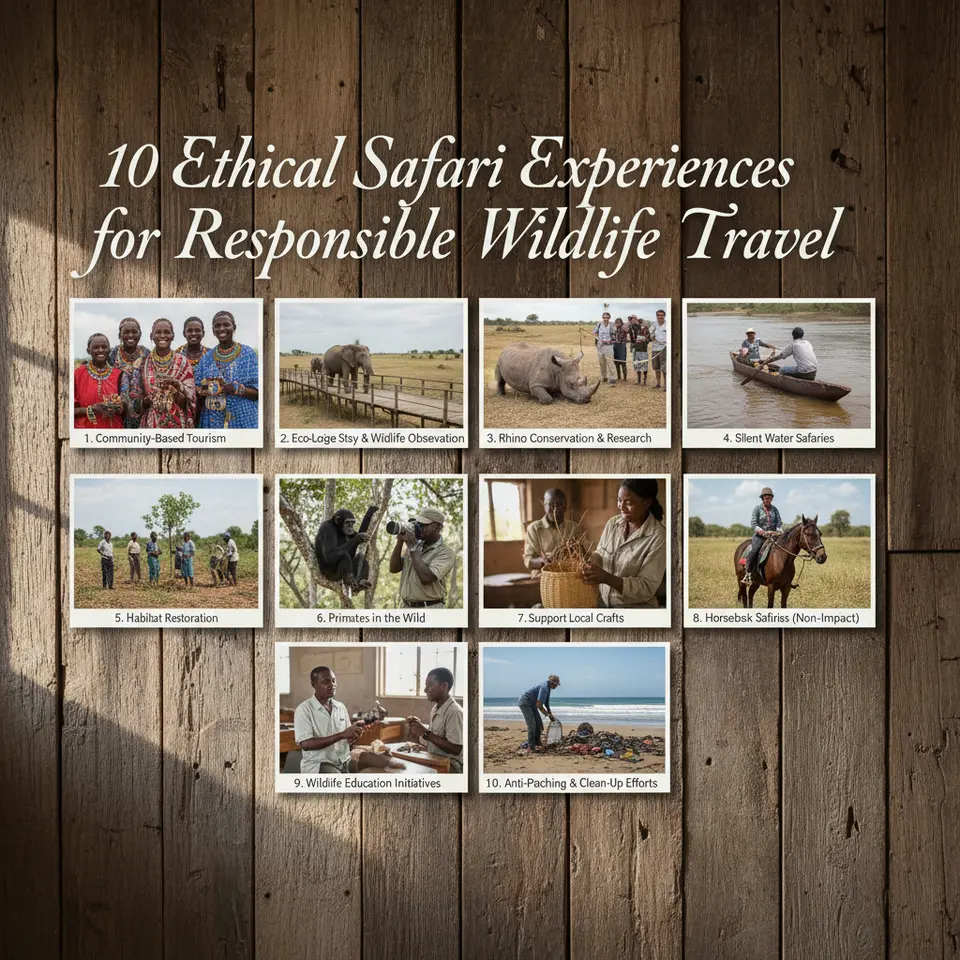
For travelers who care deeply about wildlife and ecosystems, choosing ethical safari experiences has become a top priority in today’s travel landscape. Gone are the days when safari tours focused solely on photo opportunities without regard for animal welfare, community development, or habitat preservation. Currently, responsible adventurers seek out operators that prioritize sustainable practices, ensure minimal disturbance to animals, and channel revenue back into conservation programs. This year , the demand for transparent, conservation-led journeys continues to rise as global awareness of biodiversity loss intensifies. By selecting ethical safari experiences, you can enjoy unforgettable encounters with majestic creatures while making a positive impact on their long-term survival.
In this comprehensive guide, we’ll dive into five standout safari adventures around the world that successfully balance immersive wildlife viewing with strict conservation standards. Each itinerary features small group sizes, codes of conduct established in collaboration with expert bodies, and a clear commitment to empowering local communities. Throughout, you’ll discover why these ethical safari experiences are rated among the most responsible tours of the season, backed by organizations such as the World Wildlife Fund and the International Union for Conservation of Nature (IUCN). Whether you’re drawn to the misty forests of East Africa or the frozen expanses of the Arctic, these expeditions will transform your understanding of wildlife travel and highlight how adventure and conservation can go hand in hand.
Mountain Gorilla Tracking in Bwindi Impenetrable Forest, Uganda
An Unforgettable Trek
Deep within the emerald green canopy of Bwindi Impenetrable Forest lies one of Africa’s most sought-after wildlife encounters. Home to nearly half of the planet’s remaining mountain gorillas, this UNESCO World Heritage site offers small-group journeys that truly exemplify ethical safari experiences. Licensed guides collaborate with the Uganda Wildlife Authority and local Batwa communities, ensuring that visits are strictly limited to eight visitors per group. This restriction minimizes stress on habituated gorilla families and reduces the risk of disease transmission.
Conservation and Community Benefits
A significant portion of the gorilla tracking permit fee is directed toward anti-poaching patrols and community-led development projects. These initiatives include healthcare for Batwa pygmies, education programs, and sustainable agriculture training—efforts that empower residents to protect the forest rather than exploit it. According to research published by United Nations Environment Programme (UNEP), such integrated approaches can bolster both human livelihoods and wildlife populations. During your 2–5 hour trek, you’ll hike through thick ferns, scale moss-covered roots, and witness firsthand how conservation-minded tourism creates lasting benefits for people and primates alike.
What to Expect
- Carefully monitored group sizes, typically capped at eight visitors
- One-hour observation period with strict no-touch and distance rules
- Pre-trek briefing covering health protocols, gorilla behavior, and etiquette
- Opportunities to purchase artisan crafts directly from local cooperatives
By choosing this gorilla trekking experience, you’re not only treated to an intimate wildlife encounter; you’re actively supporting one of the planet’s most critical conservation success stories. These ethical safari experiences demonstrate how tourism revenue can drive meaningful change on the ground, ensuring that mountain gorillas thrive for generations to come.
Nighttime Rhino Drives at Khama Rhino Sanctuary, Botswana
Spotting Giants After Dark
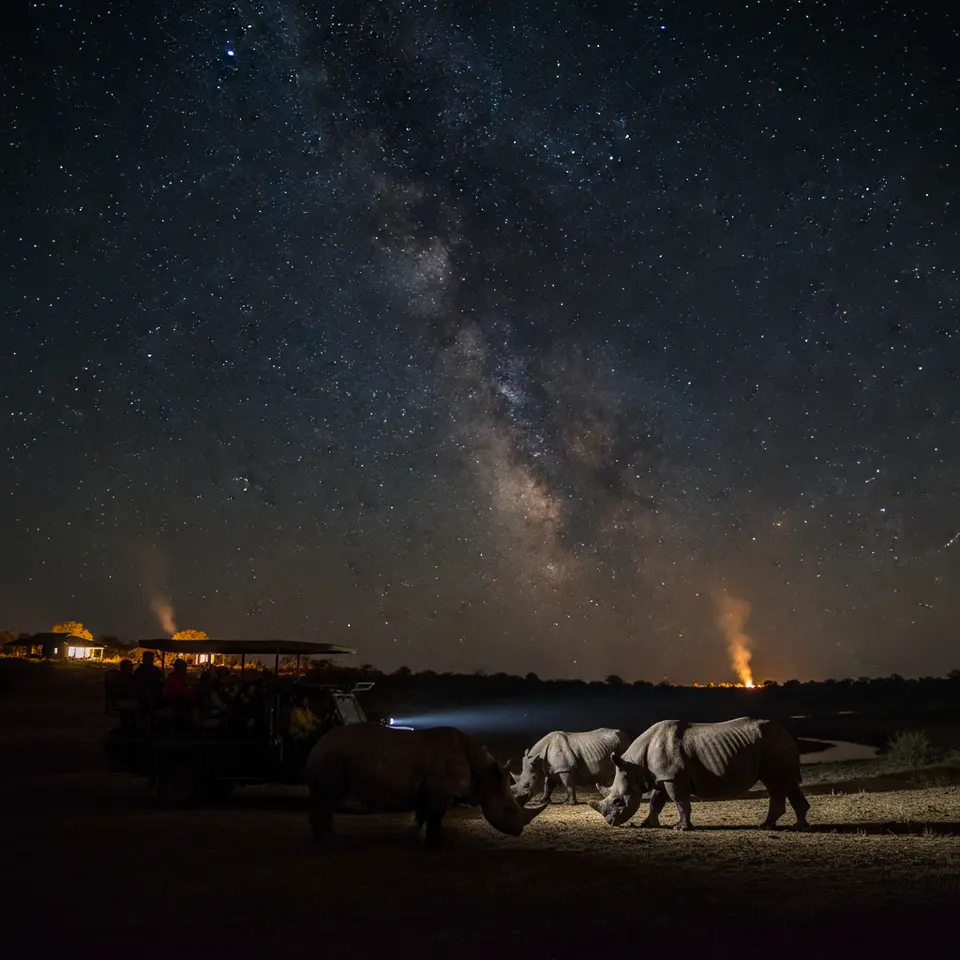
At the Khama Rhino Sanctuary, visitors can witness black and white rhinos emerge at dusk, their silhouettes set against Botswana’s expansive star-filled skies. This community-run reserve was founded to protect rhinos from the rampant poaching of the late 20th century, and it now operates under a co-management model between local village trusts and wildlife authorities. By offering guided evening drives with low-intensity LED spotlights, operators ensure minimal disturbance to the animals while delivering an extraordinary viewing experience. Read for more details : Elevated Escapes
Sustainable Lodge Stays and Solar Power
Accommodations at the sanctuary feature solar-powered lodges designed to blend seamlessly into the landscape. Guests sleep in comfortable chalets with energy-efficient lighting and eco-friendly water systems, all constructed using locally sourced materials. Meals are prepared with organic produce foraged from nearby woodlands, reducing food miles and supporting traditional culinary practices. According to a study from UNESCO, eco-lodges that integrate renewable energy can slash carbon footprints by up to 70 percent compared to conventional resorts.
Educational and Cultural Dimensions
Every night drive is led by a local guide trained in rhino behavior and community outreach. Guides share insights into anti-poaching patrol methods, the role of canine units, and the sanctuary’s economic impact on surrounding villages. After the drive, you can participate in a cultural evening featuring storytelling by San bushmen or sample traditional dishes over a communal fire. These immersive elements highlight how ethical safari experiences extend beyond wildlife viewing to foster cultural exchange and environmental stewardship.
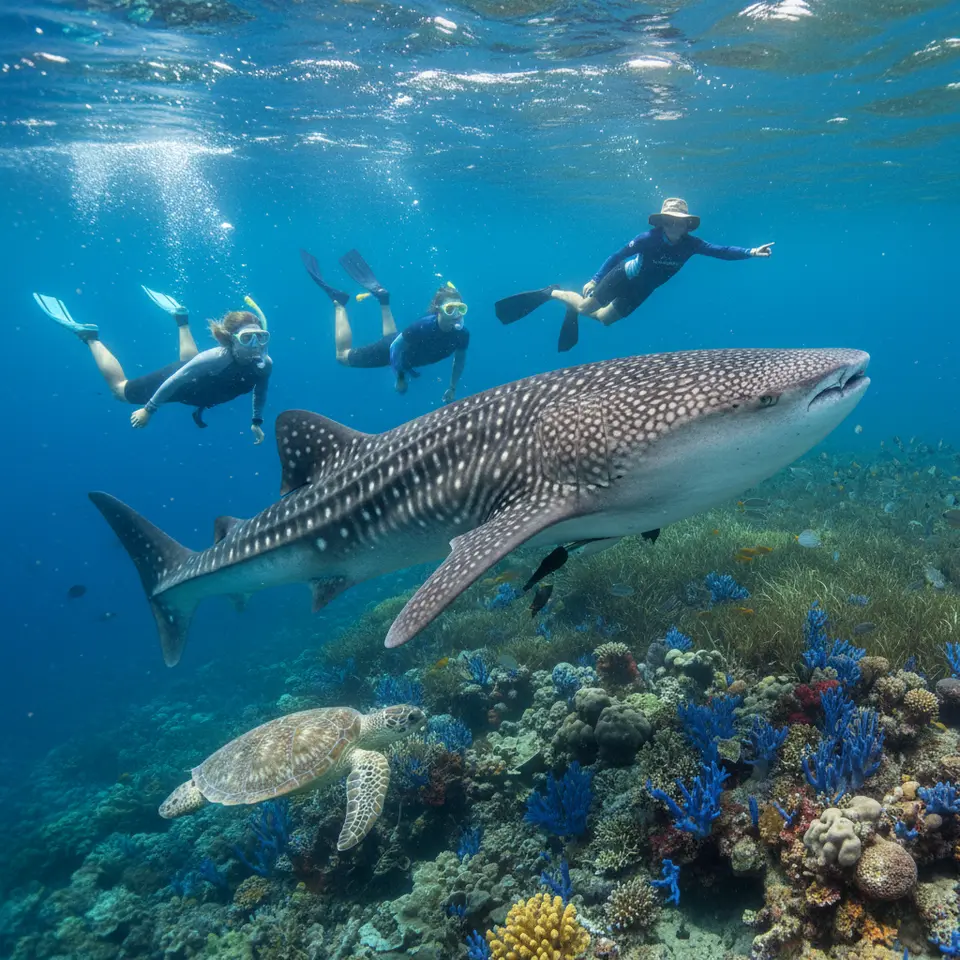
Snorkeling with Whale Sharks at Ningaloo Reef, Australia
Gentle Giants in a Marine Wonderland
Ningaloo Reef, a UNESCO-listed marine park off Australia’s western coast, is renowned for seasonal gatherings of whale sharks—the world’s largest fish. Responsible operators adhere to a strict marine wildlife code: only two snorkelers per guide, no direct contact, and enforced no-fly zones for drones. Vessels employ eco-friendly hull coatings to minimize damage to fragile coral formations, and onboard marine biologists provide live commentary on the reef’s intricate ecosystems.
Protecting Coral and Biodiversity
This region is recognized by the Australian Institute of Marine Science as a global hotspot for coral diversity. By following Best Practice Guidelines developed by the Commonwealth Scientific and Industrial Research Organisation (CSIRO), operators monitor water quality, marine traffic, and snorkeler behavior to reduce environmental impact. Guests learn how seagrass beds sustain dugongs and sea turtles, gaining a broader appreciation for interconnected marine conservation efforts.
Preparing for Your Marine Safari
- Apply reef-safe, biodegradable sunscreen to protect coral polyps
- Wear lightweight, quick-dry clothing for comfort onboard
- Bring an underwater camera with a zoom function—touching the animals is prohibited
- Listen closely during safety briefings to ensure adherence to wildlife codes
These ethical safari experiences in a marine setting exemplify how well-regulated tourism can raise awareness about ocean conservation. By snorkeling alongside whale sharks in small, respectful groups, you’ll gain a deeper connection to the underwater world without compromising its health.
Elephant Sanctuary Immersion in Chiang Mai, Thailand
Rescuing Retired Working Elephants
In northern Thailand, several accredited elephant sanctuaries have shifted away from traditional rides and performances toward participatory care programs. At leading sites near Chiang Mai, you’ll spend a full day engaging directly with rescued elephants—feeding them seasonal fruits, assisting with gentle mud baths, and observing their social interactions in forested enclosures. Each activity is supervised by experienced mahouts who have committed to ethical handling and lifelong welfare of the herd.
Funding Care and Habitat Restoration
All proceeds from these visits are funneled into veterinary services, dietary research, and reforestation projects designed to expand natural grazing areas. Collaborative studies by institutions like Chiang Mai University emphasize the positive effects of enriched environments on elephant health and behavior. By supporting these sanctuary programs, you contribute to a model that values wellness over entertainment.
Cultural Insights and Local Engagement
Beyond elephant care, visitors can engage in cultural exchanges with Karen hill tribe members living in nearby villages. Learn traditional weaving techniques, sample organic tea blends, and explore community-driven agroforestry initiatives. These interactions underscore how ethical safari experiences often extend into holistic travels that uplift entire regions.
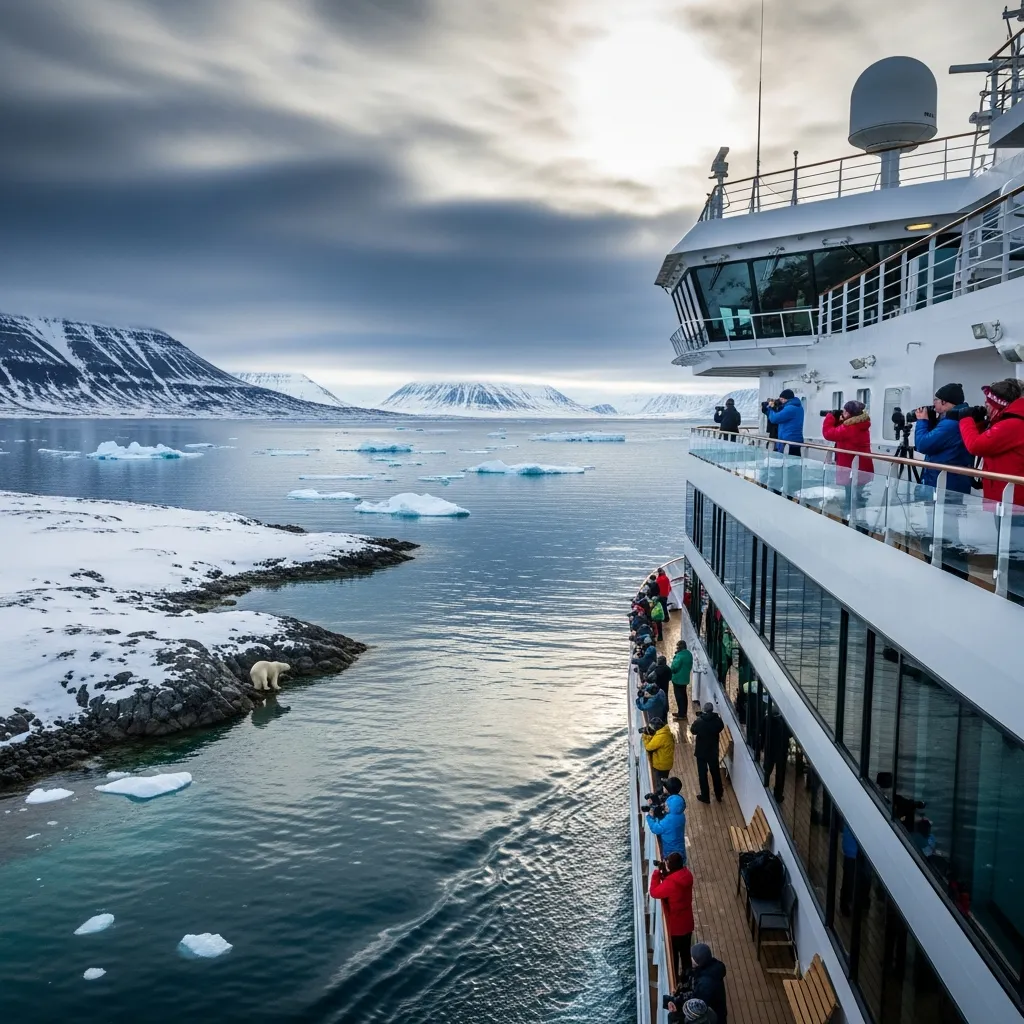
Polar Bear Observation Cruises in Svalbard, Norway
Arctic Expeditions with Minimal Impact
For those drawn to the High Arctic, small expedition vessels in Svalbard offer a front-row seat to polar bear behavior against a backdrop of drifting ice floes. Operators follow guidelines set by the International Association of Antarctica Tour Operators (IAATO), ensuring that all Zodiac landings maintain a safe buffer between wildlife and tourists. Quiet, low-emission engines and wildlife-friendly navigation routes minimize disturbances in polar bear and arctic fox habitats.
Climate Change Education on Deck
Naturalist lecturers onboard share up-to-date findings on Arctic warming, sea ice retreat, and the effects on apex predators. Complementing lectures with data visualization tools provided by agencies like NASA’s Global Climate Change, these voyages empower guests with a scientific understanding of how climate dynamics influence polar ecosystems. Such knowledge is critical as we collectively strive to safeguard these remote regions.
Responsible Photography and Safety
- Use long-range lenses to capture close-up shots without approaching animals
- Follow crew instructions during landings to avoid startling wildlife
- Wear layered, Arctic-rated gear to protect against variable weather
- Keep a written log of sightings to contribute to citizen science projects
Participating in a polar bear observation cruise is one of the most impactful ethical safari experiences you can undertake. You not only witness a species emblematic of climate change but also support research and conservation initiatives aimed at preserving Arctic biodiversity for future generations.
Conclusion
Choosing ethical safari experiences is no longer just a travel trend—it’s a conscious commitment to protecting wildlife, preserving ecosystems, and empowering local communities. As global travelers become more aware of environmental challenges, responsible tourism continues to shape the future of exploration. Whether you’re trekking through dense jungles, cruising icy Arctic waters, or snorkeling in vibrant marine parks, each ethical choice you make contributes to a larger conservation mission.
By aligning your plans with sustainability, you not only witness nature in its purest form but also help ensure its survival. Even when combining your adventures with relaxing escapes like Hidden Hot Springs or unique cultural evenings such as Secret Supper Clubs, maintaining an eco-conscious mindset enhances your overall journey. Ultimately, ethical travel is about balance—enjoying the world while actively protecting it. Make your next adventure meaningful by choosing experiences that give back as much as they inspire.