Imagine escaping the noise of everyday life and relaxing high above the forest floor in one of today’s most unique elevated escapes. Modern treehouse retreats combine adventure, comfort, and eco-friendly design to create unforgettable travel experiences. From bamboo hideaways near peaceful rivers to stylish mirrored pods surrounded by snowy forests, these elevated escapes offer travelers a deeper connection with nature. Whether you’re planning a romantic getaway or solo retreat, treehouse lodging provides breathtaking views, tranquility, and sustainable luxury. In this guide, discover how elevated escapes are transforming modern travel through innovative design, wellness experiences, and immersive natural surroundings.
The Evolution of Elevated Escapes
For centuries, humans have admired the idea of living among the treetops—first as a means of safety and later as a symbol of freedom. The earliest forms of elevated shelters appear in anthropological records of Amazonian tribes using raised platforms to stay clear of ground-dwelling pests and seasonal floods. Fast-forward to today, and treehouse retreats are reimagined through cutting-edge design, sustainable engineering, and luxury amenities. Hospitality brands now collaborate with architects and environmental experts to create structures that are both thrilling and responsible.
Modern canopy lodges use techniques such as tensioned cables, non-invasive footings, and prefabricated components to minimize disturbances to root systems. Materials range from reclaimed timber and bamboo to composite glass panels that reflect the surrounding foliage. In many remote locales, off-grid technologies harness solar energy, collect rainwater, and process waste, ensuring a minimal ecological footprint. These practices align with recommendations from the United Nations Environment Programme, which advocates for sustainable tourism development worldwide.
Moreover, designers are drawing inspiration from biophilic principles—an approach that emphasizes the healing power of nature on human wellbeing. By incorporating natural ventilation, panoramic windows, and organic textures, treehouse accommodations become immersive therapy rather than mere lodgings. Guests today can find everything from open-air bathtubs under rainforest canopies to floor-to-ceiling glass walls framing fjord vistas. This trend speaks to a growing desire for authenticity, wellness, and eco-conscious exploration in 2026.
Sustainable Design and Environmental Stewardship
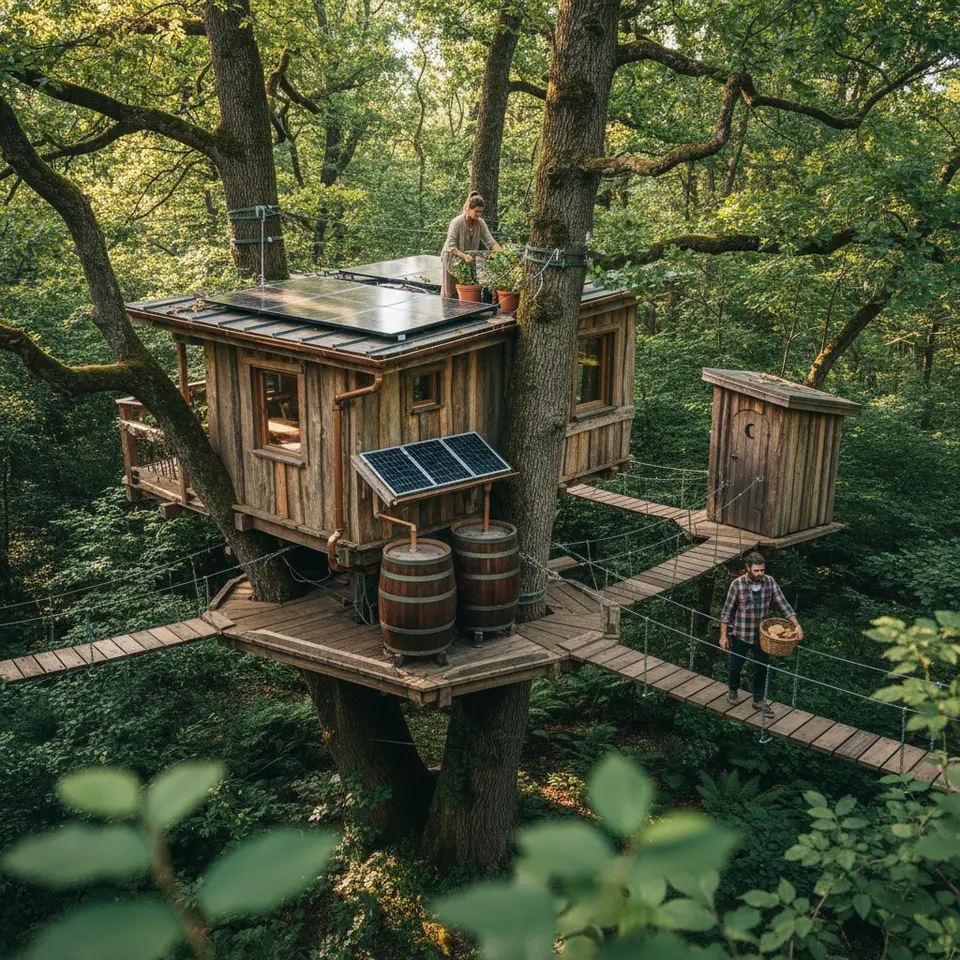
At the heart of every reputable treehouse retreat lies a commitment to conservation. Many properties partner with local conservation groups or national authorities to protect biodiversity and support community initiatives. For instance, a canopy lodge nestled near a national park may allocate a portion of its revenue to habitat restoration or endangered species research. According to studies published by the National Park Service, such collaborations enhance educational outreach and foster positive environmental outcomes.
Key sustainable features often include:
- Zero-cut corridors: Walkways and decking installed without felling mature trees, preserving canopy integrity.
- Renewable energy grids: Solar panels or micro-hydro turbines providing clean electricity and reducing reliance on fossil fuels.
- Rainwater harvesting: Roof catchment systems channeling water into filtration units for showers and taps.
- Composting toilets: Odorless, low-water solutions that transform waste into nutrient-rich compost.
- Local sourcing: Furniture and textiles crafted by nearby artisans, stimulating regional economies and cutting transport emissions.
By choosing eco-certified treehouses, travelers participate directly in conservation efforts. These retreats not only offer memorable stays but also educate guests on sustainable living practices—an essential lesson in today’s era of climate consciousness.
Immersion in Nature: Benefits of Canopy Living
High above the ground, the forest canopy unfolds as a vibrant living tapestry. Research in environmental psychology suggests that even short periods of immersion in green spaces can lower stress hormones, improve mood, and boost cognitive function. When you wake up to the rustle of leaves and panoramic woodland panoramas, the experience transcends traditional lodging. Treehouse retreats offer a multisensory encounter—birdsong replaces alarms, filtered sunlight paints the interior, and fresh breezes carry earthy fragrances.
Beyond wellness, these treetop hideaways promote a deeper understanding of local ecosystems. Guided activities—such as nocturnal wildlife walks, birdwatching sessions, or forest therapy (shinrin-yoku)—help guests appreciate the intricate relationships between flora and fauna. Education programs led by biologists or park rangers illuminate conservation challenges and inspire personal stewardship.
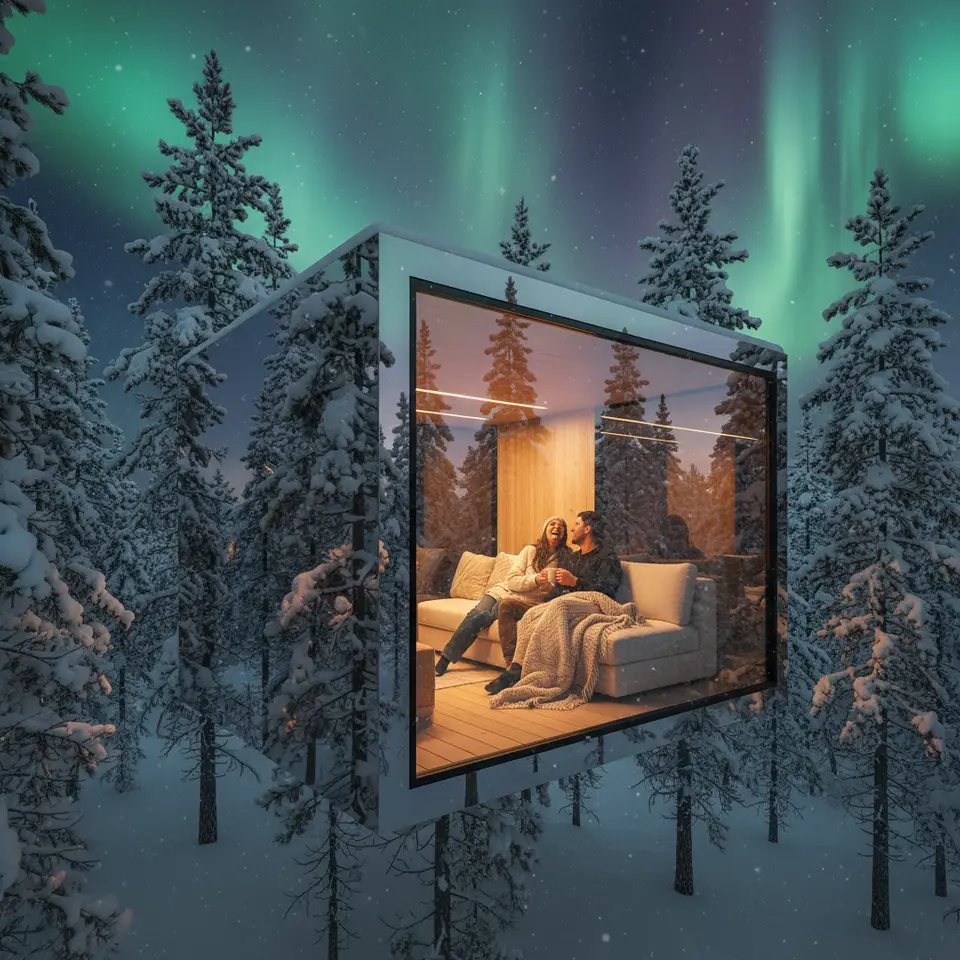
Additionally, canopy-level accommodation often provides vantage points for spectacular natural phenomena. In tropical zones, guests may witness bioluminescent insects dancing among branches. In polar latitudes, the northern lights can appear as a shimmering curtain overhead. Whether it’s the midnight sun in Swedish Lapland or the mating calls of howler monkeys in Central America, elevated immersion cultivates moments of wonder that resonate long after checkout.
Planning Your Canopy Getaway
Embarking on a treehouse retreat requires thoughtful preparation to maximize comfort and respect environmental protocols. First, consider the climate zone and seasonality. In rainforest regions, midday rains can be heavy—pack waterproof layers and quick-dry clothing. In alpine forests or higher latitudes, even summer evenings may be chilly; a warm fleece and sturdy boots are essential. Always check with your host for recommended gear lists.
Accessibility and travel logistics also play a pivotal role. Many remote canopy lodges involve multi-modal transport: light aircraft, off-road vehicles, and hiking. Allow buffer days to accommodate weather delays. Secure appropriate travel insurance that covers wilderness rescue, if necessary. For international destinations, verify visa requirements and health advisories. Some tropical lodges require proof of vaccinations against yellow fever or malaria prophylaxis.
While most treehouse accommodations provide meals and basic toiletries, you might want to pack specialty items such as:
- Reusable water bottles to minimize single-use plastic.
- Headlamps or personal flashlights for evening navigation on elevated walkways.
- Insect-repellent clothing or natural repellents approved by environmental regulations.
- Lightweight binoculars for wildlife observation.
- Portable power banks, unless the lodge offers reliable charging points.
Advance communication with your host ensures dietary restrictions, accessibility needs, or special celebrations are seamlessly accommodated. In today’s hospitality market, personalized service is standard—so don’t hesitate to share preferences, from pillow firmness to preferred wake-up times.
Must-Visit Treehouse Retreat Destinations
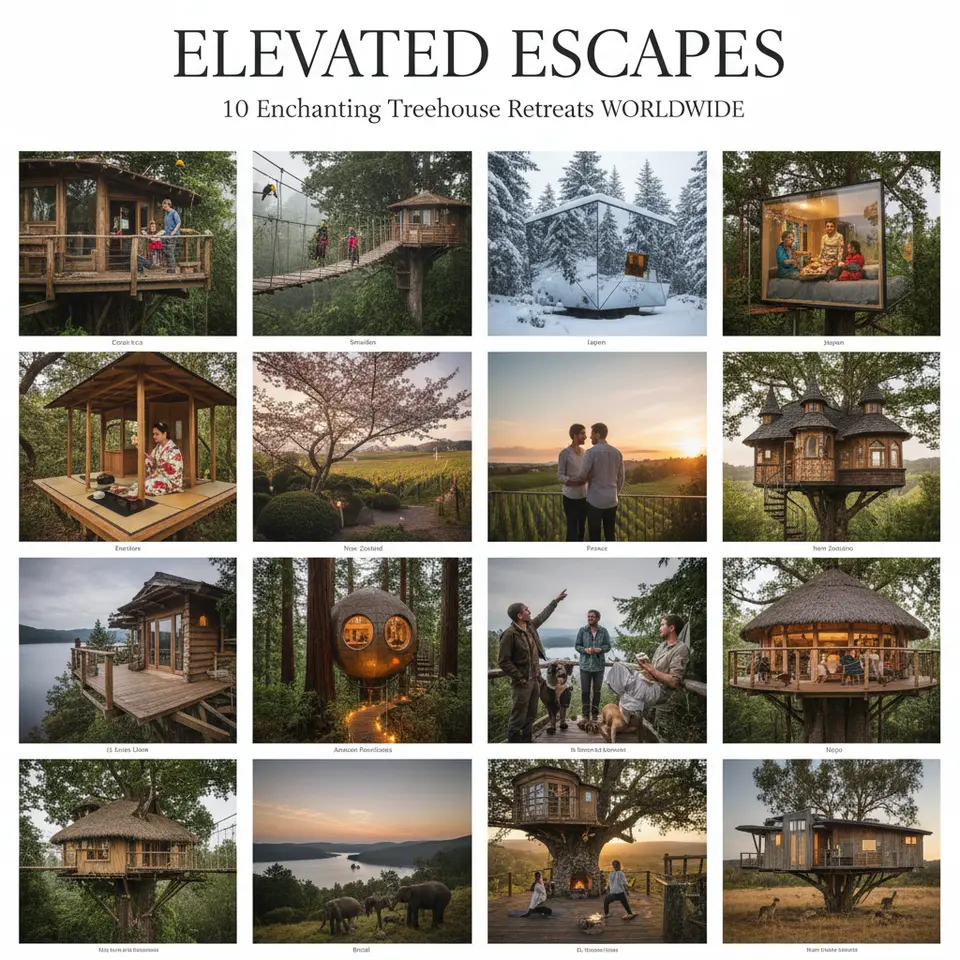
From tropical archipelagos to temperate woodlands, the world is dotted with canopy hideouts designed to ignite curiosity, offer tranquility, and provide unique immersive experiences. These elevated escapes combine architecture, sustainability, and adventure, allowing travelers to reconnect with nature in ways that traditional accommodations cannot match. Below are some standout treehouse retreats that showcase diverse climates, styles, and experiences.
Rainforest Sanctuaries – Southeast Asia
In Southeast Asia, eco-lodges nestled among ancient teak and dipterocarp forests allow guests to fully immerse themselves in lush, high-humidity landscapes. These rainforest sanctuaries often feature bamboo or sustainably sourced timber structures, braided furnishings, and open-air bathrooms that bring you closer to the surrounding environment. Guided treks reveal endemic wildlife such as exotic birds, insects, and small mammals, creating unforgettable encounters with nature. Many lodges partner with conservation nonprofits to fund anti-poaching patrols, reforestation projects, and local community education, making your stay both rewarding and responsible. Visitors can also take part in hands-on experiences like river kayaking, forest photography workshops, and night-time wildlife spotting to deepen their connection to the ecosystem.
Scandinavian Glass Pods – Northern Europe
Across the snowy landscapes of Northern Europe, mirrored glass pods and minimalist treehouse retreats provide breathtaking views of alpine forests, fjords, and the aurora borealis. These innovative pods focus on thermal efficiency, insulation, and eco-friendly design, enabling comfortable year-round stays. Floor-to-ceiling windows double as natural artwork, reflecting the changing seasons, from endless summer twilight to winter’s glimmering snow. Guests can indulge in wellness-focused experiences such as heated floors, cozy saunas, and meditation platforms while watching northern lights dance across the sky. Many lodges also offer local culinary experiences featuring traditional Scandinavian cuisine, from smoked fish platters to foraged mushroom dishes, ensuring your stay is a complete sensory experience.
Coastal Canopy Retreats – Pacific Shores
On tropical and subtropical coasts, treehouses hover above mangrove estuaries, coral-rich bays, and secluded beaches. These elevated escapes often utilize off-grid energy systems, solar-powered lighting, and LED-lit decks for sunset yoga or star-gazing sessions. Water-based activities such as paddleboarding, snorkeling, and guided marine life tours complement the elevated experience, letting travelers explore both land and sea. Coastal canopy lodges frequently incorporate locally sourced materials and artisanal décor, connecting guests to regional craftsmanship. Imagine waking to the sound of gentle waves, stepping onto a private balcony surrounded by palm fronds, and spotting colorful fish in clear waters below—a perfect combination of adventure, relaxation, and eco-conscious living.
Safari Tree Lodges – African Savannahs
In Africa’s expansive savannahs, treehouse lodges offer elevated suites that provide panoramic views of roaming wildlife. Constructed with local stone, hardwood, and other sustainable materials, these lodges seamlessly blend into the bush while offering luxury amenities. Guests wake to the calls of raptors, trumpeting elephants, or distant lion roars, creating a truly immersive safari experience. Activities include guided game drives, birdwatching, bush walks, and cultural visits to nearby villages, giving travelers both wildlife encounters and insight into local traditions. Evening experiences often include dining on raised decks under open skies, with unobstructed views of sunset silhouettes and star-filled nights, making the African tree lodge a magical retreat for adventure and nature lovers alike.
Additional Notable Treehouse Experiences
Beyond these main regions, there are other unique Elevated Escapes to consider:
- South American Canopy Lodges: Amazon rainforest treehouses with rope bridges, wildlife observation platforms, and indigenous-led tours.
- Temperate Woodland Cabins: North American forest retreats with fire pits, hammock decks, and guided forest therapy sessions.
- Island Treehouse Resorts: Private island retreats with overwater treehouses, snorkel access, and sustainable seafood dining.
Whether your heart longs for verdant jungles, crystalline fjords, sun-drenched coasts, or arid plains, a treehouse retreat awaits to elevate your travel narrative. Each destination emphasizes sustainability, eco-conscious practices, and local engagement, encouraging guests to become advocates for environmental stewardship while enjoying unforgettable experiences above the ground.
Conclusion
Elevated Escapes offer the perfect blend of adventure, relaxation, and eco-friendly luxury for modern travelers seeking unforgettable nature experiences. Whether you desire romance, solitude, or family adventure, Elevated Escapes provide breathtaking views and peaceful surroundings unlike traditional lodging. By choosing Elevated Escapes, travelers embrace sustainable tourism while enjoying comfort, wellness, and memorable moments high above the natural world.
Frequently Asked Questions – Elevated Escapes
1. What are Elevated Escapes?
Elevated Escapes are unique travel experiences that place guests in accommodations above the ground, such as luxury treehouses, canopy lodges, or eco-friendly pods. These stays offer immersive nature views, privacy, and a sense of adventure, allowing travelers to connect with the environment while enjoying modern comforts and sustainable design.
2. Why are Elevated Escapes becoming popular?
Elevated Escapes are gaining popularity because travelers increasingly seek peaceful, nature-centered experiences. They combine adventure, wellness, and luxury in a single stay, allowing guests to disconnect from urban stress while indulging in comfort, stunning views, and eco-conscious living.
3. What is the best time to enjoy Elevated Escapes?
The ideal time for Elevated Escapes varies by location. Tropical retreats are best during dry seasons, while temperate lodges shine in spring and autumn. Planning around local climate ensures safe, enjoyable experiences and optimal sightseeing opportunities.
4. Are Elevated Escapes suitable for couples?
Absolutely. Many Elevated Escapes cater to romantic getaways, offering cozy interiors, private decks, panoramic views, and serene surroundings perfect for couples seeking intimacy and connection with nature. Some even feature open-air bathtubs, sunset lounges, or couples’ spa experiences.
5. Are Elevated Escapes family-friendly?
Many Elevated Escapes welcome families and provide child-safe designs, including secure railings, safety nets, and spacious platforms. Activities such as guided nature walks, wildlife observation, and interactive workshops make these escapes enjoyable for guests of all ages.
6. How much do Elevated Escapes usually cost?
Prices vary widely depending on destination, amenities, and level of luxury. Budget-friendly eco-lodges may start at $150–$200 per night, while premium canopy suites can exceed $1,000. Costs may include meals, guided activities, and specialized excursions.
7. Are Elevated Escapes environmentally friendly?
Yes, most Elevated Escapes prioritize sustainability. They use eco-friendly materials like reclaimed wood or bamboo, incorporate solar energy and water-saving systems, and minimize environmental impact with non-invasive construction. Staying at these retreats supports conservation efforts and responsible tourism.
8. What should I pack for Elevated Escapes?
Essential items include comfortable, layered clothing, sturdy hiking shoes, insect repellent, reusable water bottles, headlamps, binoculars, and rain protection. Packing according to climate and planned activities ensures comfort and preparedness while enjoying canopy adventures.
9. Can I book Elevated Escapes year-round?
Many Elevated Escapes are open year-round, but seasonal variations affect accessibility and climate comfort. Tropical lodges may be best in dry months, while alpine retreats are ideal in mild seasons. Advance planning ensures availability and optimal conditions.
10. Where can I find the best Elevated Escapes?
The best Elevated Escapes are located in forests, mountains, tropical rainforests, coastal areas, and other eco-tourism hotspots worldwide. Each destination offers unique landscapes, wildlife encounters, and immersive nature experiences.
11. What activities can I enjoy at Elevated Escapes?
Guests can participate in hiking, birdwatching, forest bathing (shinrin-yoku), kayaking, yoga, or photography workshops. Many lodges offer guided tours to explore local ecosystems, wildlife, and conservation initiatives, enhancing both adventure and education.
12. How do Elevated Escapes enhance wellness and relaxation?
Elevated Escapes promote mental and physical wellbeing by providing quiet, natural surroundings, panoramic views, and stress-reducing activities. Exposure to nature, fresh air, and immersive landscapes has been shown to improve mood, reduce anxiety, and foster mindfulness during your stay.