There’s a timeless allure to greeting the world as it stirs from slumber. From crystalline salt flats to windswept savannas, witnessing dawn’s first light is a profound reminder of nature’s daily renewal. In today’s digital landscape, the quest to find and share breathtaking morning vistas has grown into a passionate pursuit for photographers, travelers, and dreamers alike. Whether you’re seeking the perfect frame for your portfolio or simply chasing a moment of tranquility, exploring the globe’s most spectacular sunrise spots can transform your understanding of light, landscape, and serenity.
In this comprehensive guide, we’ll journey through five distinct regions, each featuring two iconic destinations that stand out as pinnacles of sunrise beauty. Along the way, you’ll discover optimal vantage points, practical tips for capturing nature’s grand spectacle, and insights drawn from expert sources like the National Park Service (nps.gov) and UNESCO’s World Heritage Centre (whc.unesco.org). As you plan your itinerary for this year (2026), allow this guide to inspire your next early alarm and help you document dawn in all its glory. Let’s embark on an adventure to explore these spectacular sunrise spots around the world.
Volcanic Vistas: From Maui’s Summit to Java’s Caldera
Haleakalā National Park, Hawaii, USA
One of the most revered spectacular sunrise spots lies atop Haleakalā’s volcanic summit on the island of Maui. Perched over 10,000 feet above sea level, this dramatic vantage point often positions you above the cloud layer, offering an otherworldly stage where rays of light paint a dormant crater in fiery hues. Today, early risers gather at designated viewing areas to witness a symphony of colors as the sun ascends. Reservations through the National Park Service (NPS) are recommended to ensure access, especially during peak tourist seasons.
Photography Tips:
• Arrive at least 90 minutes before sunrise to explore different viewpoints and acclimate to the altitude.
• Set your camera to shoot in RAW format to preserve dynamic range as shadows give way to warm highlights.
• Include foreground elements—such as jagged cinder cones or lone visitors silhouetted against the sky—to convey scale and depth.
• A sturdy tripod and cable release will help you execute long exposures, capturing the gentle glow as colors shift.
Mount Bromo, Java, Indonesia
Continuing our exploration of volcanic spectacles, Mount Bromo in East Java offers a rugged lunar landscape that becomes ethereal at dawn. From the popular viewpoint atop Mount Penanjakan, you’ll look out over a sea of volcanic mist punctuated by smoking craters. This panoramic scene, framed by the Tengger massif, ranks among Asia’s most unforgettable morning vistas.
Photography Tips:
• Temperatures dip sharply before daybreak—dress in layers and carry gloves for both comfort and camera handling.
• Employ a wide-angle lens (14–24mm) to capture the expanse of rolling mist, volcanic cones, and rising sun in a single shot.
• Use exposure bracketing to retain detail in both bright skies and darker caldera regions. Combine exposures in post for a balanced image.
• Scout less crowded spots along the ridge for unique compositions that aren’t dominated by fellow travelers.
Architectural Awakenings: Icons in Golden Light
Fisherman’s Bastion, Budapest, Hungary
In today’s diverse travel landscape, urban sunrise locations offer a blend of history and natural beauty. Fisherman’s Bastion in Budapest is a prime example. This neo-Gothic terrace on Castle Hill overlooks the Danube River and frames the Hungarian Parliament in a soft golden glow. At first light, the city’s spires and bridges appear almost fairy-tale-like against pastel skies, making it one of Europe’s most picturesque sunrise viewpoints.
Photography Tips:
• Visit the bastion in the evening to scout ideal vantage points along its elegant arches and turrets.
• A telephoto lens (70–200mm) can isolate architectural details—ornate pinnacles, vaulted corridors, or distant buildings—against the warm sky.
• Attach a circular polarizing filter to reduce glare on the river’s surface and deepen blue tones in the sky.
• Arrive at least 45 minutes before sunrise to set up and capture the gradual transition from night to morning light.
Angkor Wat, Cambodia
Moving to Southeast Asia, Angkor Wat’s ancient spires emerge dramatically at dawn, creating one of the world’s most celebrated sunrise scenes. This UNESCO World Heritage Site (UNESCO) features a reflective pond that mirrors the temple complex, resulting in symmetrical compositions that captivate both novice and professional photographers.
Photography Tips:
• Arrive at the reflection pool 30 minutes before first light to secure a prime spot and set up your tripod.
• Use a small aperture (f/11–16) for maximum depth of field, ensuring both the temple and its reflection remain tack-sharp.
• Employ a graduated neutral-density filter to balance the brightness difference between sky and water.
• Consider capturing local elements—such as monks walking along the causeway—to lend cultural context and narrative depth.
Savanna to Salt Flats: Natural Panoramas
Masai Mara, Kenya
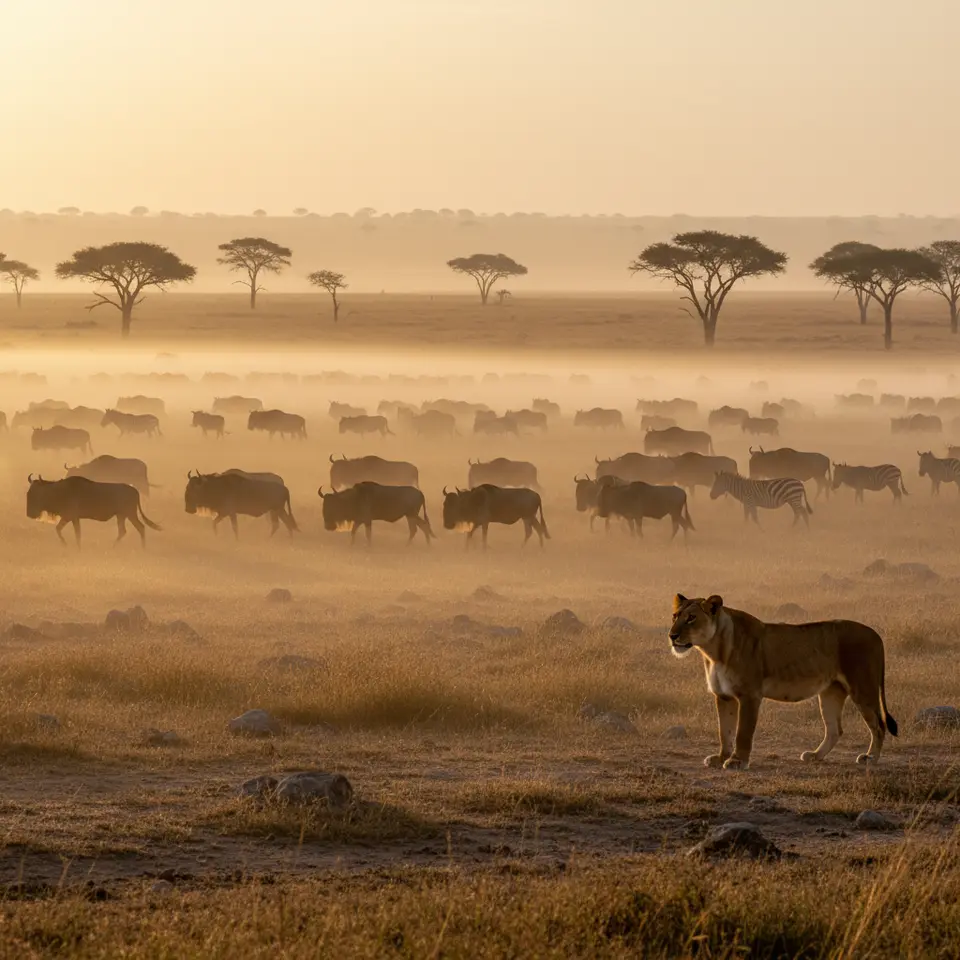
For wildlife enthusiasts searching for spectacular sunrise spots, the Masai Mara’s endless savanna provides an unforgettable backdrop. As dawn breaks, acacia silhouettes cut against a golden sky while herds of wildebeest and zebras stir from their nighttime grazing. A sunrise game drive often reveals predators returning from nocturnal hunts, offering rare glimpses of lions, leopards, and cheetahs bathed in soft morning light.
Photography Tips:
• Use a fast telephoto zoom (70–200mm f/2.8) to capture both close-ups of wildlife and broader landscape scenes.
• High ISO performance and quick autofocus are essential for low-light, fast-moving subjects.
• Position your safari vehicle on a slight rise to keep the horizon clear and unobstructed.
• Bring multiple batteries and memory cards; chilly mornings can drain power more quickly.
Salar de Uyuni, Bolivia
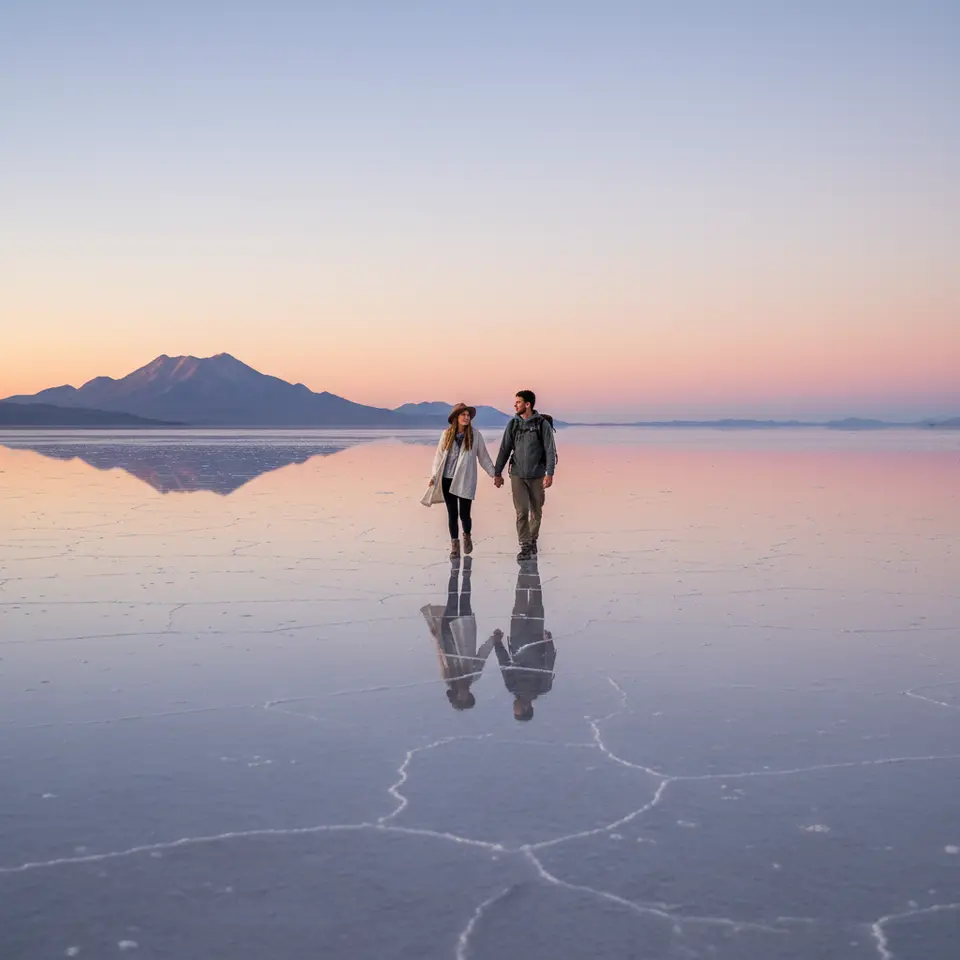
Transitioning from wildlife to one of the world’s most surreal landscapes, Salar de Uyuni transforms into a giant mirror during the wet season. As the sun ascends, its pastel beams reflect perfectly off the shallow water covering the salt plain, making the horizon vanish and creating an infinite sense of space.
Photography Tips:
• Schedule your visit during Bolivia’s rainy season, when a thin layer of water covers the flats for optimum mirror effect.
• A high f-stop (f/16–22) will ensure both sky and reflection are rendered in sharp focus.
• Explore low shooting angles; positioning your lens just inches above the water emphasizes the illusion of floating between earth and sky.
• Clean your lens and protective filter often—salt spray from the flats can leave spots on your images.
Island Horizons: From Cherry Blossoms to Aegean Cliffs
Mount Fuji, Japan
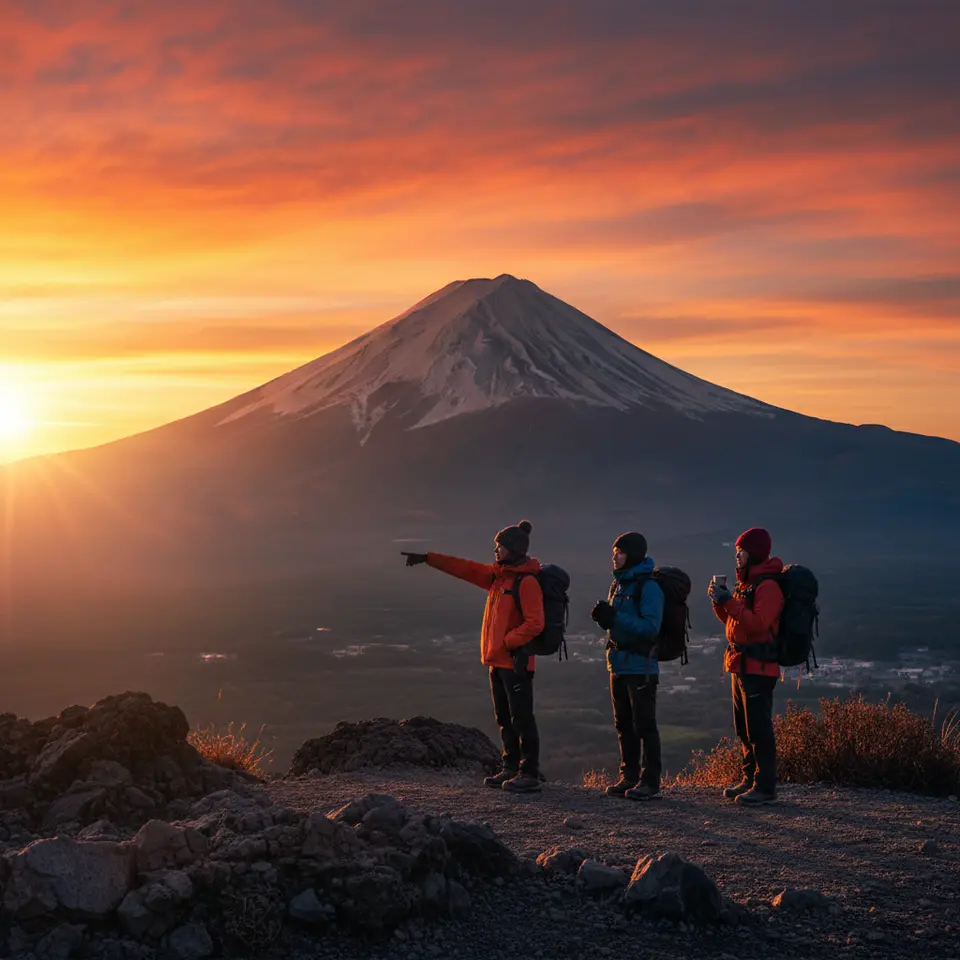
Mount Fuji’s near-perfect cone and surrounding lakes serve as one of Japan’s quintessential spectacular sunrise spots. In spring, cherry blossoms frame the snow-capped peak, creating an iconic scene that draws thousands of photographers and tourists each year.
Photography Tips:
• The north shore of Lake Kawaguchi is a classic perspective—wake up early to claim a spot near the water’s edge.
• A mid-range telephoto lens (85–135mm) compresses foreground elements like blossoms and reeds, bringing them closer to the mountain backdrop.
• Monitor local weather forecasts; clear, windless mornings yield the sharpest reflections and best color saturation.
• Include traditional elements—such as torii gates or wooden boats—to convey a sense of place and cultural heritage.
Oia, Santorini, Greece
Perched atop volcanic cliffs overlooking the Aegean Sea, Oia in Santorini is famed for its whitewashed buildings, cobalt-blue domes, and labyrinthine alleys. While sunset often steals the show here, sunrise offers a quieter, more intimate experience as the first light unveils pastel hues across the caldera.
Photography Tips:
• Wander through narrow lanes before dawn to discover hidden vantage points free from tour-group crowds.
• A tilt-shift or shift-capable lens effectively corrects perspective distortion when photographing architecture.
• Bracket your exposures, especially if shooting high-contrast scenes where bright sky meets shaded alleys.
• Capture the interplay of natural and artificial light as lanterns and streetlamps begin to dim in the early morning glow.
Grand Canyons and Coastal High Points
Grand Canyon, Arizona, USA
The Grand Canyon’s South Rim offers dramatic formations that come alive in the subtle pinks and oranges of sunrise. As shadows retreat, the layered cliffs reveal a spectrum of reds, purples, and golds, creating a kaleidoscope of color that changes minute by minute.
Photography Tips:
• Use a sturdy tripod and wide-angle lens (16–35mm) to capture the canyon’s vastness and depth.
• Incorporate a strong foreground element—such as a weathered tree trunk or rocky outcrop—to guide viewers’ eyes into the scene.
• A graduated neutral-density filter helps balance the bright sky with shadowed canyon walls.
• When possible, explore less frequented overlooks at the north end of the rim for unique perspectives.
Table Mountain, Cape Town, South Africa
Rising dramatically above Cape Town, Table Mountain’s flat summit offers a panoramic viewpoint over the city, coastline, and distant Robben Island. Early mornings this year (2026) remain the best time to beat crowds and capture the first light cascading across the Atlantic Ocean.
Photography Tips:
• Hike up before dawn or catch the earliest cableway ride to secure a prime position near the edge of the plateau.
• A wide-angle lens (12–24mm) encompasses sweeping vistas—from mountain chains to ocean horizons—in a single frame.
• Include the rusted chains and handrails along the Platteklip Gorge route to convey the adventurous spirit of the ascent.
• Watch for seasonal cloud formations around the ‘tablecloth’ that occasionally drapes the mountain, offering dramatic moody skies.
FAQ
Q: What’s the best time to arrive at a sunrise viewing point?
A: It’s ideal to arrive at least 45–90 minutes before sunrise. This window lets you scout compositions, set up your gear, and acclimate to changing light conditions.
Q: Which camera settings work best for low-light sunrise photography?
A: Shoot in RAW format for maximum dynamic range. Use a sturdy tripod, set a mid-range aperture (f/8–f/16), bracket exposures, and adjust ISO based on ambient light. Filters (graduated ND, polarizers) help balance sky and foreground.
Q: How can I avoid crowds at popular sunrise spots?
A: Research less-known overlooks, book reservations early (for national parks), and consider visiting in shoulder seasons. Pre-dawn hikes often yield solitude and unique vantage points.
Q: What gear should I pack for a sunrise adventure?
A: Bring a reliable tripod, multiple lenses (wide, telephoto, and tilt/shift if available), spare batteries, ample memory cards, weather-appropriate clothing, and essential accessories like cable releases and lens cloths.
Conclusion
Exploring these spectacular sunrise spots across volcanic craters, ancient temples, wild savannas, mirror-like salt flats, and iconic mountain summits offers more than just stunning photographs—it provides moments of reflection, connection, and wonder. In today’s fast-paced world, setting an early alarm to witness dawn’s first light invites us to slow down and appreciate the intricate dance of color and shadow that heralds a new day. Whether you’re seeking solitude on a remote peak, tracking wildlife on a vast plain, or framing ancient monuments in rosy hues, each destination offers a unique promise: the chance to capture nature’s daily masterpiece.
As you plan your next adventure for this year (2026), let these insights guide your journey. From technical camera tips to logistical advice, this guide is designed to help you make the most of every sunrise. So pack your gear, embrace the pre-dawn chill, and discover why chasing sunrises remains one of the most rewarding pursuits for travelers and photographers in today’s digital landscape. Your next breathtaking morning vista awaits.